



In this evolving world, if we observe google Messages and WhatsApp are the top Android messaging apps in 2026, each excelling in different ways for US users who value seamless texting or cross-platform chats.
This article provides a detailed breakdown to help in deciding according to their requirements. Let’s understand the core setup, RCS vs WhatsApp, and grab knowledge on group chat tools, privacy, and encryption.
Core Setup
Google Messages are pre-installed on most of the Android phones, making it the default choice for RCS conversations with other Android users. WhatsApp needs to be downloaded, but it can be easily synchronized across iOS, Android, and the web.
Both services offer end-to-end encryption, but Google Messages requires RCS support from carriers, while WhatsApp offers it universally.
Feature Parity Breakdown
RCS in Google Messages has closed many gaps with WhatsApp by 2026, adding high-res media and reactions, yet WhatsApp leads in group scale and calls.
| Feature | Google Messages (RCS) | Winner | |
| High-res photo/video sharing | Yes, up to original quality on RCS | Compressed, but 2GB files | Google Messages |
| Typing indicators & read receipts | Yes, on RCS; basic SMS fallback | Always on | Tie |
| Custom reactions/emojis | Any emoji + animations | Limited emoji set | Google Messages |
| Voice/video calls | Via Google Meet integration (up to 100) | Built-in, up to 32 group | |
| File sharing limits | RCS-limited; good for media | 2GB any type | |
| Desktop access | Web version (RCS needed) | WhatsApp Web (full) | |
| Scheduling messages | Yes, easy hold-to-schedule | No native | Google Messages |
RCS vs WhatsApp
RCS in Google Messages offers a great facility for messaging purpose such as iMessage for Android, whereas, WhatsApp only depends on internet connectivity.
| Aspect | RCS (Google Messages) | |
| Core Functionality | Rich chats (high-res media, reactions) without data plans on supported carriers like Verizon, AT&T, T-Mobile | Internet-only messaging; no SMS fallback |
| Connectivity | Wi-Fi or cellular via carriers; widespread US support | Data or Wi-Fi required always |
| Encryption | End-to-end standard since 2024 for mixed Android groups | End-to-end on all chats by default |
| Strengths | Ideal for domestic US texting; 1.5B global adoption by late 2025 | Global polish for international calls and businesses |
| Limitations | Less refined for business or cross-platform international use | No carrier integration; data-dependent |
Privacy and Encryption
Both apps primarily prioritize security, but their approaches differ when it comes to US privacy concerns.
| Aspect | Google Messages | |
| Encryption | E2EE on RCS chats; SMS unencrypted | E2EE all chats by default |
| Data collection | Google scans for spam on-device | Meta collects metadata; opt-out backups |
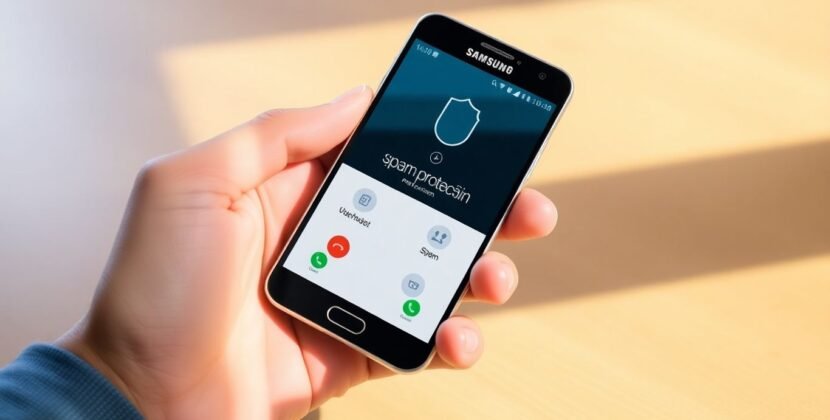
| Scam protection | AI flags job/package fraud | Basic reporting; no on-device ML |
| Disappearing messages | Yes, timed deletion | Yes, customizable |
Google Messages edges out for US users, using on-device AI to block spam without uploading to the cloud. WhatsApp’s encryption is reliable, but backups to Google Drive can expose data unless disabled.
Group Chat Tools
Group chats are quite strong in both, but WhatsApp is better at handling larger and more disorganized groups.
•Google Messages: Supports 256 members, has descriptions, polls, but only has basic admin functionality; RCS encryption is standard.
•WhatsApp: Supports 1,024 members, has rich previews, announcements, and Secure also community nesting for large groups such as family or work purpose team groups.
For sports enthusiasts in the US, the features of WhatsApp (such as group calls for 32) are better; Google Messages are better suited for smaller groups with effects such as screen bursts.
Android Messaging Apps Context
Amongst all the android options, here are the actual pay google messages leads as the stock app, ruling out Samsung Messages or Textra in RCS rollout. WhatsApp dominates cross-platform, with around 2.5 billion users ensuring contacts to stay connected. In the US, where 80% use Android, Messages carrier integration makes it frictionless for quick texts.
Which App Suits Which Users
Select based on your US lifestyle, pure Android texting, or global connectivity.
| User Type | Best Choice | Why |
| Android-only texter | Google Messages | Free RCS perks, no app switch |
| iOS/Android mixed groups | Universal access, no carrier dependency | |
| Privacy-focused | Google Messages | Less metadata tracking |
| Business/international | Catalogs, large groups, calls | |
| Customization lovers | Google Messages | Bubble colors, Photomoji |
| Frequent callers | Seamless HD group video |
Android purists love Messages integration with Gemini AI for summaries; WhatsApp users stick to web stability.
Performance and Battery
Google Messages consumes less battery power on Wi-Fi (RCS optimized), great for long US commutes. WhatsApp consumes more battery power during calls but transmits data in a compressed form for poor network coverage. Both support the 2026 AI capabilities such as editing messages without delay on mid-range devices.
| Aspect | Google Messages (RCS) | Winner | |
| Battery Usage | Lower on Wi-Fi/cellular; RCS data optimization | Higher during video calls; compression helps on poor networks | Google Messages |
| Performance Speed | Fast message editing and AI features on mid-range phones | Smooth HD group video; occasional lag in massive groups | Tie |
| Data Consumption | Minimal for texts/media via carriers | Efficient compression but data-only | Google Messages |
| Handling Load | Excellent for daily US texting marathons | Strong for international or call-heavy sessions | Depends on use |
Conclusion
To conclude, in 2026, RCS standardization will push Google Messages closer to parity, especially with Apple’s partial support. WhatsApp evolves with Meta AI chats, but regulatory scrutiny in the US favors Google’s carrier-backed model.
FAQS
1.Do you think WhatsApp is more secure than RCS?
Yes, WhatsApp currently provides end-to-end encryption between the business partner and the user, which is ideal for privacy-conscious use cases. RCS provides transport-layer encryption with carrier verification, with plans for end-to-end encryption. Many regulated businesses use RCS in combination with CPaaS governance to support audit and retention requirements.
2.Do WhatsApp uses RCS?
No. WhatsApp is an over-the-top messaging app that uses its own protocols and encryption.
3. Which is best in 2026 for business?
RCS is best for businesses that want without any app or interactive messaging. WhatsApp offers secure and conversational messaging. SMS is good for time being for highly secure info like OTPs.
4. Which channel is most cost effective?
SMS is most cost effective compared to WhatsApp and RCS.
5. What do you think is the actual difference between SMS, RCS and WhatsApp Messaging?
The major variation that comes in is the engagement what each channel offers. RCS and WhatsApp offer rich media support and 2-way conversations. SMS only allows texts, no internet needs.
Source –
WhatsApp Vs. Google Messages: Which Chat App is Better?
RCS vs WhatsApp vs SMS: Best Business Messaging in 2026
RCS vs WhatsApp in 2025: Choosing the right channel – Infobip
Considering Switching from WhatsApp to Google Messages: Seeking Insights! : r/GoogleMessages