



In the United States, Google’s Pixel smartphones sit alongside Apple’s iPhone and Samsung’s Galaxy lineup as one of the most recognizable names in the mobile market. The Pixel A-series has earned a loyal following among US consumers by offering strong cameras, clean Android software, and aggressive pricing. But nearly a decade after the first Pixel launch, questions are starting to surface. With incremental hardware updates, familiar designs, and rising prices, critics are beginning to wonder whether Google’s once-innovative A-series is losing its momentum compared to other Android alternatives.
In this article, we examine the evolution of the Pixel A-series, assess whether Google is running out of ideas, and explore what the lineup needs to stay competitive in the US smartphone market.
Evolution of Pixel A phones
There have been 19 different Google Pixel generations with the newest generation. Google Pixel was the first phone in the Pixel line, launching in October 2016. At the time, this was one of the first smartphones to take advantage of USB-C, with the device also packing in a 12.3 megapixel camera.
Google Pixel 2 was released in October 2017 with some significant improvements to the camera system, including support for optical image stabilization.
The Google Pixel 3 made many noticeable changes for users. First, the bezels surrounding the display were drastically slimmed down compared to both Google Pixel and Google Pixel 2. As a result, the resolution of the screen was also made higher, with an increase of 12.5% and a shift to a 5.5″ display.
Google offered mid-range smartphones to the market, with the Google Pixel 3a in 2019. It was a cheaper companion to the flagship Google Pixel 3.
Google Pixel 4 was focused much more on internals. Google improved the refresh rate of the display to 90Hz, and there were numerous upgrades made to the camera system such as a 2x optical zoom. Pixel 4a made huge improvements with display brightness, delivering a peak brightness of 796 nits – an 83% increase over Pixel 4.
Google Pixel 5 made battery life a major priority, providing a 4080mAh battery that delivered almost 50% more battery life per charge over Google Pixel 4. The Google Pixel 5 and Pixel 5a almost look identical next to each other, but the 5a actually sports a slightly bigger display of 6.34″.
Google introduced a fresh design with Pixel 6 in October 2021. Despite all the new technology integrated inside the device, Pixel 6 actually launched for $100 less than Pixel 5. The Google Pixel 6a launched later than most other a models, arriving in late July 2022. This smartphone cut the 90Hz refresh rate of Google Pixel 6 to 60Hz, in addition to the RAM from 8GB to 6GB.
Google Pixel 7 was a minimal upgrade, while at least still refining some of the Pixel’s most used features. Launched in October 2022, the Pixel 7 brought an improved fingerprint sensor, a redesigned camera bar, and better performance.
Google Pixel 7a was launched on May 10, 2023. It brought a 64MP main camera and kept the 90Hz refresh rate and 8GB of RAM. The 7a is a bit smaller than the Pixel 7 despite still retaining a similar screen size.
Google made its first major shakeup to the Pixel lineup in 2023 with Google Pixel Fold. This foldable phone features a huge 7.6″ display when folded open, with a standard display on the outside so you can use it like any normal smartphone.
Google Pixel 8 was a decent upgrade from the Pixel 7 line, with some major features being a peak brightness of 2000 nits and a refresh rate of 120Hz. Google Pixel 8a was launched on May 14, 2024. This model dropped the Gorilla Glass Victus, opting for Gorilla Glass 3 on the display. While both have an OLED display and sport similar performance, the real difference was in the cameras.
Google Pixel 9 was launched in August 2024. This broke from a years-long tradition of launching new Pixel flagship models in October. The Google Pixel 9 Pro Fold features a foldable display that builds off the 2023 Pixel Fold. The display is now taller and thinner, allowing for a bigger screen on the device.
The Google Pixel 9a features a 6.3-inch Actual display that is 35% brighter than its predecessor and is powered by the Google Tensor G4.
The new Pixel 10, Pixel 10 Pro, and Pixel 10 Pro XL were released on August 28. These new phones also featured the more powerful Tensor G5 chip and come with some UI updates as well.
Why Upgrades Feel Small
The recent Google Pixel models have some of the weakest speakers compared to Samsung and Apple. They are not quite up to the mark for a $1,000 smartphone. Almost every other phone in this price range, including the iPhone 17 Pro Max, Samsung Galaxy S25 Ultra, and even the OnePlus 15, offers better speakers than the Pixel 10 Pro. The upcoming models should have improved speaker quality, with louder output, clearer sound, and better audio depth.
Google Pixel smartphones are known for their camera processing and post-capture AI work. When you take a photo on a Pixel phone, you generally know what to expect, regardless of lighting or location. Low light, harsh light, or night shots usually result in evenly lit images with natural-looking colors and restrained processing.
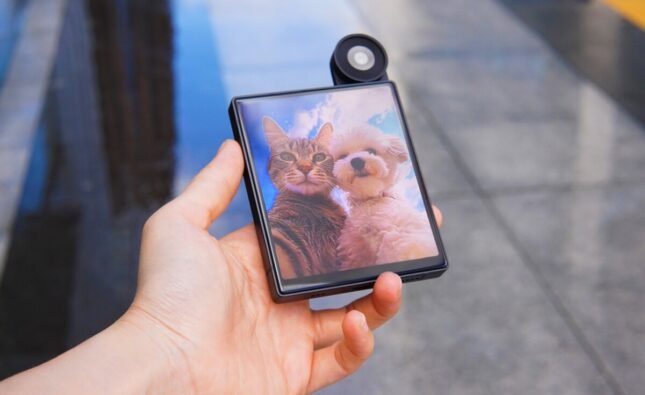
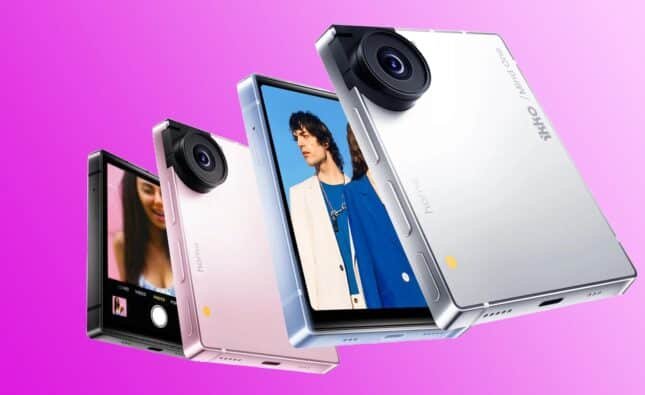
Other smartphone brands, like Oppo, Vivo, and Xiaomi, have taken bigger risks with advanced camera hardware, modular camera attachments, and more aggressive processing improvements.
As a result, Google’s camera experience has begun to feel somewhat stagnant. Whether Google tackles it by reworking the camera pipeline from the ground up or by offering users more customization options, such as color profiles or stronger control over shadows and highlights, this is something that needs attention.
While 2025 was a strong year for Google in catching up to other flagships with the Pixel 10 series, the company’s mid-range A-series lineup fell a bit behind.
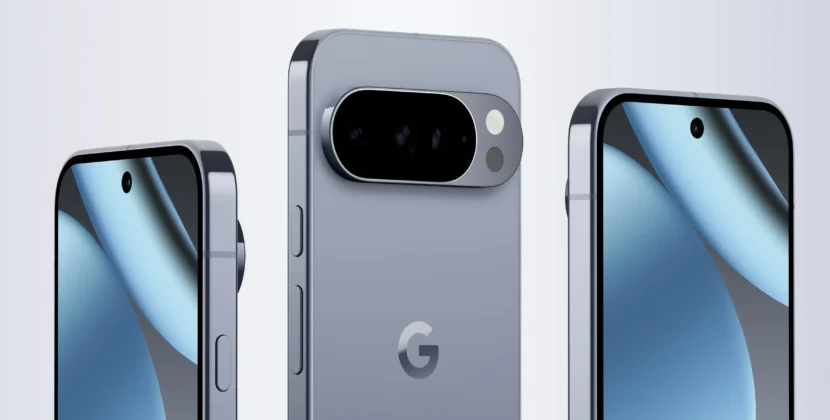
From Pixel 9a, Google has taken a completely different direction. The Pixel 9a debuted with an extremely minimal design, dropping the camera bar identity that defined Pixel phones.
Should Google Change Pricing Strategy
Despite offering a large battery at an aggressive price, Google removed much of the device’s charm. Other aspects also did not feel like meaningful upgrades compared to competing phones in the same price range. The Pixel A-series should offer more than just an entry-level Pixel experience, develop a clear identity of its own, and improve in key areas, especially processor and display.
What Google needs to fix
The upcoming Pixel 10a may offer largely the same experience that Pixel 9a provided. While Pixel UI is smooth and functional, it lacks a distinct identity in the crowded Android landscape. Most modern Android phones offer a fluid experience out of the box, so the Pixel’s core strength is lost in the noise.
Samsung’s One UI, on the other hand, has a visually pleasing UI and offers features like Secure Folder, S Pen, Edge panel, and more that are immediately noticeable and appealing.
While Google earned a reputation for stellar still photography, its video recording capabilities consistently lag behind the competition. This is a major weakness that Google needs to address.
The Tensor CPU has been one of the biggest weaknesses of the Pixel series. While it excels at AI tasks and enables unique Pixel features, it hasn’t caught up with Apple’s A-series chips or Qualcomm’s Snapdragon flagships in performance efficiency.
Final Thoughts
While Google has made progress in expanding Pixel availability, it still lags behind the reach of Apple and Samsung. This limited availability is an obstacle to the Pixel becoming a mainstream device. Google must also forge stronger relationships with carriers worldwide to ensure wider distribution and competitive pricing.
FAQs
1. How has the Pixel A-series evolved over the years?
It began as a budget-friendly alternative to flagship Pixels but has gradually shifted toward offering a toned-down version of the main Pixel experience.
2. Are Pixel phones still strong in camera performance?
Pixel phones continue to deliver reliable photography, but competitors now offer more advanced hardware and creative flexibility, making Google’s approach feel conservative.
3. How does Google’s pricing strategy affect the Pixel A-series?
Rising prices without corresponding feature upgrades have made the A-series less competitive against similarly priced Android alternatives.
4. How does Pixel UI compare to other Android skins?
While smooth and clean, Pixel UI lacks the distinct features and visual customization offered by skins like Samsung’s One UI.
5. What improvements does Google need to make in future Pixel A phones?
Google needs to focus on better performance efficiency, stronger video recording, clearer product identity, and meaningful display upgrades.
Ref: Google Pixel 10a Pre‑order 18 February.