



The smartphone market in the United States has gone through waves of bold innovation, from oversized displays and foldables to minimalist designs. While large-screen phones continue to dominate store shelves, a growing number of users are once again craving smaller and pocket-friendly devices that are easier to use one-handed and less distracting.
In this article, we explore whether compact phones are making a real comeback, comparing the Ikko MindOne Pro’s minimalist approach with the evolving cover-screen experience on modern flip phones and what this shift could mean for the future of mobile design.
Do People Prefer Compact Phones?
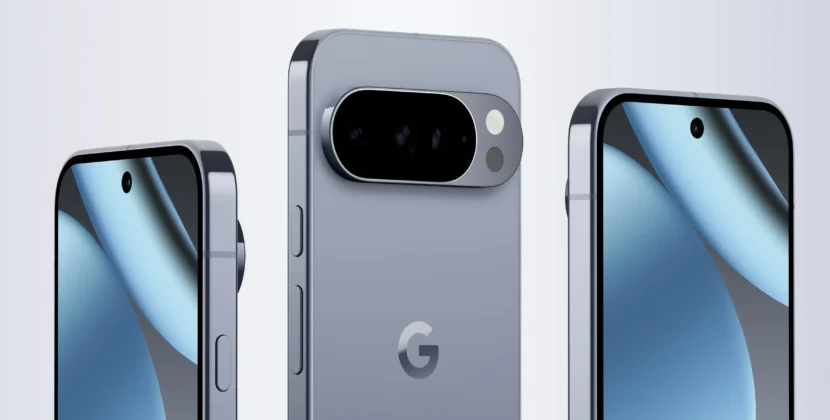
According to a recent market study, a vast amount of smartphone users are keen to buy a compact device as long as it performs like the powerful flagship phones. And you could say the same about the models such as Samsung Galaxy S25, the Pixel 9 and even the new Xiaomi 15 models.
The consumers prefer a phone with a 6 to 6.5-inch display which is the ideal for a handy, powerful device.
Compact Phones vs Small Phones
This compact device for digital minimalists is effectively a smartphone that’s been stripped of the most addictive features. On the Light Phone, there is no app store, and thus, no any other endless feeds. There are simply tools like maps, a music player, a messaging feature, and of course, a phone. They should be easy to hold, pocket-friendly, and aesthetically cool-looking. All are valid points, but they could still feel an incredibly niche, more so than small phones.
The small phones address a major consumer’s need, i.e., one-handed usability, which made them a bit appealing, somewhat more useful than slim phones. Besides, small phones, due to their form factor, naturally excel in providing a better in-hand feel and pocket-friendliness. Therefore, between the slimmer form factor and larger screen, or better pocket ability and one-handed use, most would choose the latter.
The “cover-screen-only concept” refers to a, often user-driven or experimental, approach to using foldable phones (like the Samsung Galaxy Z Flip series) primarily or exclusively via their outer display, rather than unfolding the device for the main screen. This concept aims to minimize screen addiction, reduce distractions, and utilize the device as a “miniature,” specialized phone for quick tasks.
Is Battery Important for Compact Devices?
The sudden hype around compact phones is also because of the new silicone carbon technology that has helped with making batteries denser, which means a 6,000mAh unit can now be fit into a frame that measures under 8mm. These changes are most likely going to help brands develop a smaller device with powerful traits and no compromise on the battery life.
Evolution of Modern Foldable Devices
Folding phones are supposed to adapt to your needs: Start with the smaller screen for basic tasks, like checking notifications, and then switch to the bigger screens for writing emails and watching videos.
Samsung Galaxy Fold hit the market in 2019, are smartphones with bendable screens. You can fold them in half and put them in your pocket. That first Galaxy Fold was huge, heavy, cost nearly $2,000, and looked like it would snap in half the first time you used it. When folded, the tiny display on the front was not enough screen. When unfolded, the device became a creased tablet and too much screen.
Samsung released the $2,000 Galaxy Z Fold 7, which is effectively the same size and thickness of iPhone 15 Pro but opens up to reveal an 8-inch screen, which is about the size of an iPad Mini.
The company also released the $1,100 Flip 7, which is 4.1 inches of screen folded up but becomes a full-sized smartphone when unfolded. Motorola has a similarly futuristic flip phone, the Razr Ultra, and Oppo has a comparable folding phone, the Find N5. Huawei sells the Mate XT, a phone that folds twice. Dubbed a “trifold,” this form factor is basically a tablet that folds up like a brochure. Even Apple is reportedly working on a folding iPhone.
Will iKKO’s MindOne Pro AI Smartphone Change the Scenario
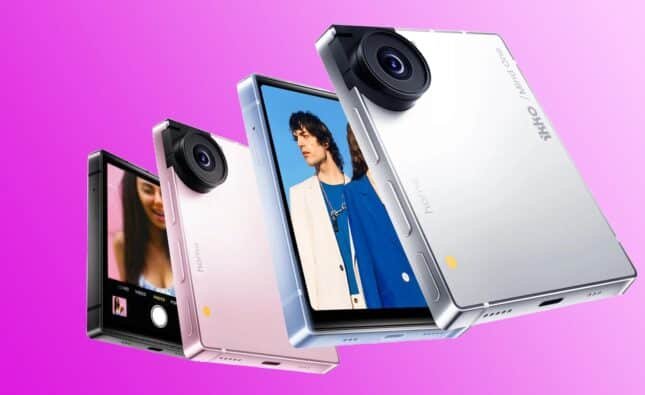
The company behind high-performance in-ear monitors and the award-winning ActiveBuds has launched its most ambitious product yet: iKKO’s MindOne Pro AI smartphone. This ultra-compact Android phone combines built-in AI tools, free global internet access, and a dual operating system. Its body is not much bigger than a credit card.
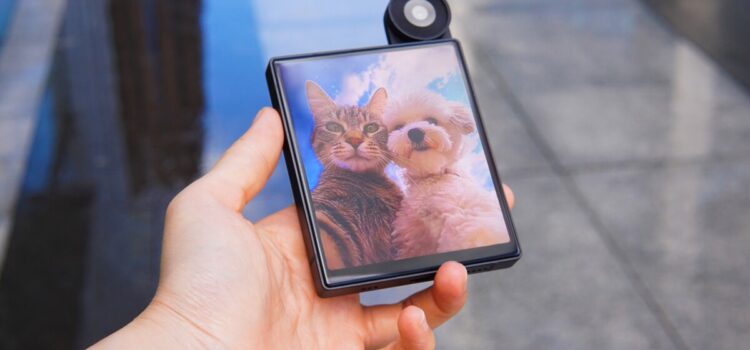
The tiny MindOne Pro measures 86 x 72 mm (3.39 × 2.83 in) and is 8.9 mm (0.35 in) thick. It can easily fit in the palm of your hand or a small pocket. This fully functional Android 15 smartphone features a sharp 4.02-inch AMOLED display, a rotating 50-MP Sony camera, and a surprising amount of performance packed into its slim frame.
One of the standout features is NovaLink, which is iKKO’s custom vSIM (virtual SIM) system. It provides built-in, SIM-free global internet for AI functions in more than 60 countries. The company is yet to provide the list of the countries. This means, users can access tools like Google Maps or translation without a dedicated SIM or having to connect to Wi-Fi or signing up to a local plan. This becomes very handy, if you have ever tried to use Google Lens to translate signs only to find your eSIM has run out of data, and there is no Wi-Fi around.
MindOne Pro houses a 2,200-mAh battery, which iKKO claims offers up to 16 hours of video playback and, with the Snap-In Expansion Case, users get an extra 500 mAh. The phone itself doesn’t have any in-built audio jacks besides the one provided by the extension case, wireless connectivity comes via Bluetooth 5.2, and there are built-in stereo speakers.
Will Smartphone Brands Follow the Trend?
Apple and Samsung are planning sleek, premium devices, while others focus on more practical devices.
Xiaomi 15 is one such option already out there but seems when it comes to the flagships, people would prefer to go for brands like Apple and Samsung.
OnePlus and Vivo are being highly rumoured to launch their compact phones in India which means we could see more Snapdragon 8 Elite or Dimensity 9000 series phones coming at a more accessible price for the buyers. The OnePlus 13T is a definite sign of things to come in 2025 and most likely in the next few years.
Final Thoughts
The renewed conversation around small phones is driven by practicality, evolving technology, and changing user priorities. As smartphones grew bigger and heavier, a quiet demand for comfort, one-handed usability, and reduced digital overload kept building.
Foldables show how versatility can coexist with size, while cover-screen-only usage hints at a more mindful way of interacting with our devices. Meanwhile, ultra-compact phones like the MindOne Pro challenge the idea that small automatically means compromised. With denser batteries, efficient chipsets, and AI-driven software, compact phones are no longer technologically disadvantaged.
Small phones may not dominate the market again, but they are undeniably carving out a meaningful, modern comeback.
FAQs
1. Are small phones really making a comeback?
Yes, growing demand for one-handed usability, better pocketability, and digital minimalism is pushing brands to rethink compact phone designs.
2. Why do users prefer smaller or compact smartphones?
Many users find them easier to use with one hand, more comfortable to carry, and less distracting compared to large-screen devices.
3. Do flip phones replace the need for compact slab phones?
Not entirely. Flip phones offer versatility, while compact slabs provide instant usability without hinges or folding mechanisms.
4. How important is battery life in compact smartphones?
Battery life is crucial, and advancements like silicon-carbon batteries now allow smaller phones to offer strong endurance.
5. Will major brands like Samsung, Apple, or Xiaomi adopt smaller phone designs?
While flagships remain large, brands are experimenting with compact models and foldables, indicating growing interest in smaller form factors.