



Consumer electronics companies are shifting from mobile-first or connected devices to AI-native hardware, embedding artificial intelligence directly into devices rather than relying on cloud-based features. Progress in device AI and specialized chips is driving this transformation across smartphones, wearables, and home appliances. By 2026, over 50% of laptops and more than two-thirds of smartphones are expected to include neural processing units (NPUs).
Key Aspects of the Transition to AI Consumer Devices.
- Strategic reorientation: Companies are pivoting R&D resources toward AI-native products, with some firms, such as ASUS, reporting a shift away from traditional smartphones to AI PCs, robots, and AI glasses.
- On-device AI (Edge AI, which refers to processing data directly on the device rather than in remote servers) lowers latency, improves privacy, and enables faster, more personalized, and more autonomous user experiences.
- New form factors: The industry is developing new hardware, such as AI glasses, rings, and wearable AI companions that interact directly with users.
- Smart domestic ecosystems: Companies such as Samsung and LG are transforming home appliances into AI-powered agents. These devices recognize objects, suggest recipes, and automate daily tasks. Samsung, for example, expects 70% of its home appliance revenue to come from AI-powered consumer devices.
Major Industry Patterns and Examples.
- AI-enabled smartwatches: Wearables are evolving. They now move beyond basic tracking to act as proactive health assistants, tracking vital signs, detecting stress, and supplying personalized coaching.
- Next-generation smartphones: The upcoming era of AI phones, with devices such as the Samsung Galaxy S25, ushers in deeply integrated Generative AI. This technology delivers on-device, personalized, and forward-looking assistance.
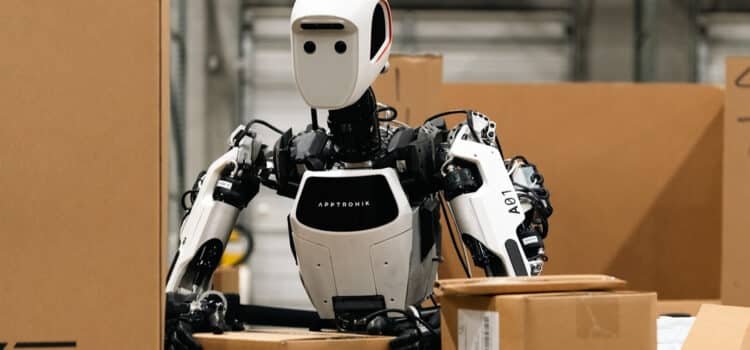
- AI-powered robotics and consumer robotics are advancing, no longer limited to single tasks. Robots now serve as more complex, AI-driven companions and assistants. This trend is reflected by their increased presence at technology conferences.
- AI glasses: Building on the success of smart glasses like Meta’s Ray-Ban, companies are emphasizing AI-driven wearables with integrated cameras and voice assistants.
Drivers of the Transition
- Explosion of data and customized experiences: Consumers increasingly expect highly personalized, intuitive, and forward-looking experiences, which AI can now deliver beyond basic connectivity.
- Specialized Hardware (NPUs, or neural processing units, which are chips specifically made to speed up and make artificial intelligence tasks more efficient): advances in neural processing units enable faster, more efficient on-device AI processing, reducing reliance on power-intensive cloud interactions.
- Increased competition: Companies are now adopting AI as a core feature to differentiate their products in a mature, competitive marketplace.
Challenges
- Data privacy and security: Collecting more personal data for on-device, AI-driven experiences poses major privacy concerns. Companies must adopt stronger security measures and adhere to regulatory requirements.
- Cost and demand: Although AI boosts functionality, it may also raise the price of consumer electronics, and the market is testing consumers’ willingness to pay for these premium devices.
The shift to AI-first or AI-native devices marks a pivotal transformation in consumer electronics, setting the stage for a new era where ambient computing devices will not only anticipate and meet user needs with minimal interaction but also redefine everyday experiences. As intelligent, agent-like champions, these devices are set to reshape the industry and elevate consumer expectations worldwide.



