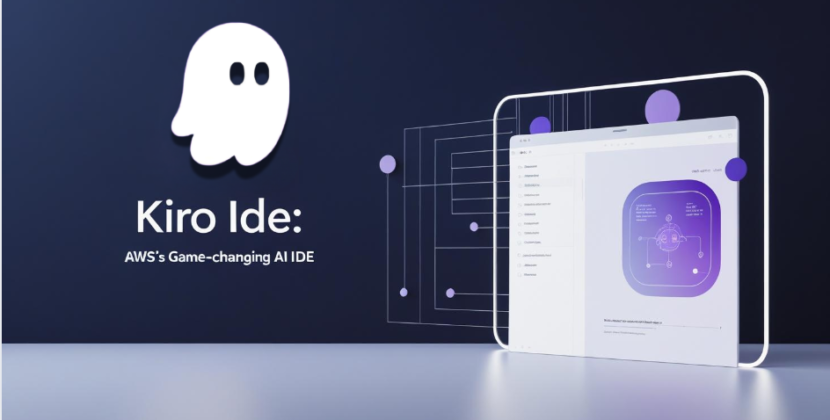




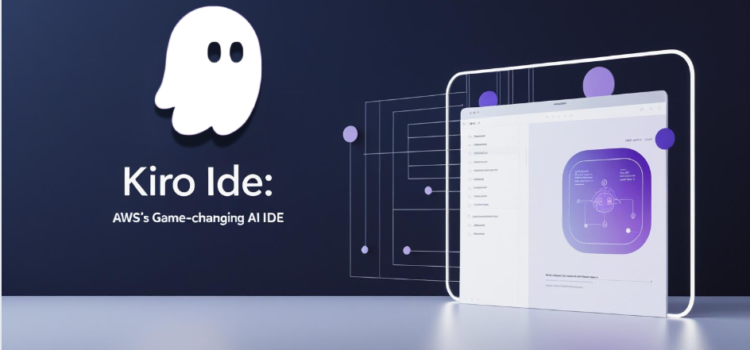
AWS has introduced the Kiro framework, which lets AI agents run complex multi-step tasks for days using Long-R durable functions. These agents, now in preview, maintain context across sessions and can perform tasks such as code maintenance, bug triage, and automated testing without ongoing human input.
Key Features of the Kiro Framework and Its Agents
- Kiro uses reliable Lambda functions to run longer workflows, avoiding common timeout problems in serverless computing.
- Kiro agents remember information across sessions and improve over time by learning from previous pull requests and user feedback.
- These agents autonomously tackle tasks for extended periods, following instructions, making plans, writing code, and running tests with minimal or no human input.
- Kiro uses a method called Spec Mode, which turns prompts into user stories, technical documents, and clear tasks for agents to follow.
- Kiro offers agent hooks for file-based triggers, MCP servers that provide specialized knowledge and tools to help agents follow coding standards, and tools that support agents in doing so.
- Deployment & access: the Kiro Framework preview is available to subscribers of Kiro Pro, Pro Plus, and Power Plans. Kiro is typically deployed as part of an AI-focused integrated deployment environment based on Code OSS, allowing eligible users to integrate and use the framework within their existing workflows. It is designed to reduce the need for constant supervision in AI-assisted development. This lets developers spend more time on important work while the agent manages complex asynchronous tasks.
On Tuesday, Amazon Web Services introduced three new agents called Frontier agents. One of them is designed to learn your work preferences and then operate independently for several days.
The Frontier agents each serve a unique function: one focuses on writing and maintaining code, another on reviewing security, and a third automates DevOps tasks to prevent issues when new code is deployed. Preview versions of all three are currently available.
AWS claims its Kiro autonomous agent can operate independently for days, maintaining context and performing work without close supervision.
Kiro is a coding agent built on AWS’s earlier AI tool of the same name, which launched in July. The first tool was meant for prototyping, but could also create code ready to go live. To maintain reliability, the AI adheres to the company’s coding standards through Specification-Driven Development.
While Kiro writes code, people guide, confirm, or correct it, helping to make clear instructions. The Kiro autonomous agent learns by watching how the team uses tools and by reviewing existing code. After learning, AWS says it can work on its own.
You simply assign a task from the backlog, and it independently figures out how to get that work done, AWS CEO Matt Garman promised during his keynote at AWS re:Invent on Tuesday.
It actually learns how you like to work and continues to deepen its understanding of your code, your products, and the standards your team follows over time, he said.
According to Amazon, Kiro maintains persistent context, so it does not lose track of tasks, enabling independent operation over hours or days with little human help.
Garman gave an example of updating important code used in 15 different company programs. Instead of dealing with each update one by one, Kiro can fix all 15 with a single prompt.
To further automate coding, AWS also created the security agent. The agent works independently to spot security issues as code is written. It tests them afterward and suggests fixes. The DevOps agent completes the set. It automatically tests new code for performance and checks if it works with other software, hardware, or cloud setups.
Amazon is not the first to offer agents that can work for long periods. For example, last month, OpenAI said its GPT-5.1 Codex Max coding model is also built for long runs up to 24 hours.
It is not certain that the main challenge in using these agents is the context window or their ability to run continuously. Large language models still struggle with accuracy and sometimes make mistakes, so coders often need to closely supervise them. Developers usually prefer to give short tasks and check the results quickly.
However, for agents to truly work like co-workers, their context windows need to get larger. Amazon’s new technology is an important step toward that goal.
Source: Amazon previews 3 AI agents, including ‘Kiro’ that can code on its own for days
Tags: Amazon Web Services
- AWS
- AWS Kiro
- AWS Lambda
- Serverless Computing