




In 2025, Apple introduced its most advanced iPhone lineup. The range includes the value-focused iPhone 17, the streamlined iPhone Air, and the high-performance iPhone 17 Pro and Pro Max. These models represent the most sophisticated smartphones Apple has released.
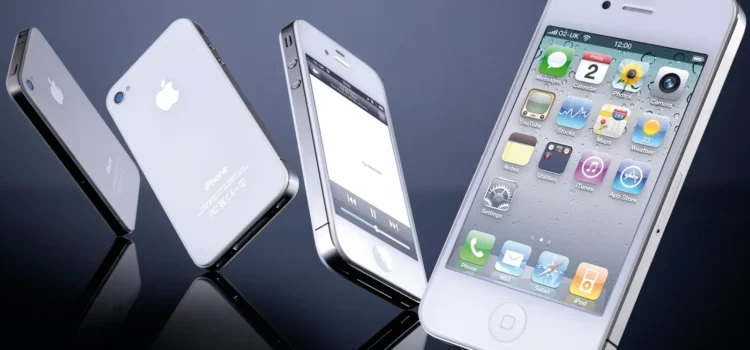
While Apple’s current smartphones are its most advanced, shifting consumer interest has broadened the conversation around iPhones. In particular, a resurgence in retro trends has caused a considerable increase in demand for the nearly 16-year-old iPhone 4 over the past year.
Building on this trend, research from Compare and Recycle indicates that Google searches for “iPhone 4 camera” have risen by 979% in the past year, showing a nearly tenfold increase in interest for this discontinued model.
The popularity of older iPhones, like the iPhone 4, is supported by user behavior. The surge appears to be driven by nostalgic users looking for older models to use as digital cameras. The retro smartphone’s aesthetic is currently popular, as evidenced by nearly 350,000 TikTok posts and 700,000 Instagram posts featuring the hashtag #digicam.
As this movement gains momentum, it’s not surprising that many Gen-Z and millennial users who grew up with iPhone 4 photography are helping drive the renewed popularity of the iPhone 4 and similar models among younger customers and retro technology enthusiasts.
As a member of Gen Z, I have witnessed this trend first-hand: Several of my peers use older iPhones as digital cameras, both for personal projects and to promote events on social media.
Why is iPhone 4 Still Loved?
The endearing appeal is not due to camera specifications. In fact, the iPhone 4’s camera is significantly less advanced than current models. It features a single 5MP camera with up to 5X digital zoom and 720p video recording. In contrast, the iPhone 17 offers 3-48MP cameras (wide/ultra-wide), 4X optical zoom, up to 40X digital zoom, and 4K video recording.
Despite technical limitations, enthusiasts of the iPhone 4 and other classic models are drawn to the grainy, unprocessed look of older iPhone photos. Many prefer this aesthetic over the more processed images produced by modern devices.
Although this aesthetic has its charms, it’s important to recognize that the iPhone 4 has not received support from Apple since being designated obsolete in 2016, with its last security update issued in 2014. Currently, only the iPhone 11 and the newer models receive full software updates, while the iPhone XS, XS Max, and XR receive limited security patches. Older devices are vulnerable to security risks in 2026. Offers vital safety tips for using an iPhone 4 or any older iPhone, helping users enjoy these devices while maintaining cybersecurity.
No personal data: Do not log into your personal Apple account or store more sensitive information on an obsolete iPhone, as this increases the risk of unauthorized access. Avoid using apps such as email and mobile banking.
Next, keep obsolete phones offline. Do not connect outdated devices to Wi-Fi or cellular networks. Enable airplane mode and avoid inserting a SIM card to minimize network exposure.
Transfer photos manually instead of using AirDrop or iCloud. Transfer photos and videos to a laptop via a connection using Finder or iTunes – the Android phones just swap the Apple-specific language for Google accounts and services.
With these precautions in mind, this resurgence of classic iPhones aligns with my perspective; as noted in my author’s bio, I believe the iPhone 5S represents Apple’s best work. It is gratifying to see renewed interest in devices from that era, regardless of whether this is a temporary trend or a lasting shift. The unique appeal of the old iPhone’s photos and camera quality stands out, and capturing striking images with limited technology is particularly impressive.
The sustainability aspect is also significant; increased demand for older iPhones (primarily second-hand) helps reduce electronic waste. When Y2K nostalgia keeps iPhone 4 units out of landfills, it yields a positive outcome.
While the iPhone 4 may not return to the top of the iPhone list in the near future, iOS security risks will continue to do so. Therefore, I will continue to track its resurgence. Readers interested in this heritage can find our classic iPhone 4 review available.



