




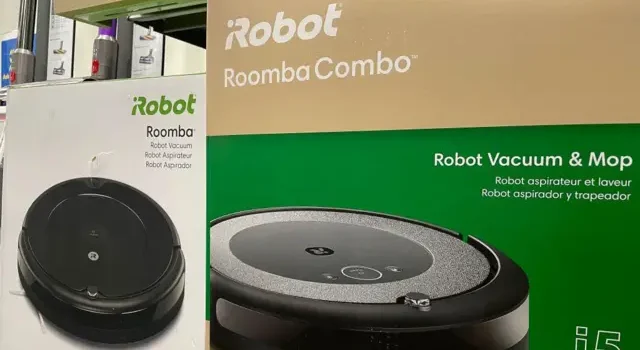
Think about the buzz of a Roomba doing its thing, then suddenly, nothing. That silence is now a big deal, not just a home but in robot news everywhere. iRobot’s bankruptcy isn’t just a what if anymore; it’s happening. The company that basically made robot vacuums a thing the reason Roomba became a word for vacuuming has filed for Chapter 11 bankruptcy. Part of fixing things involves iRobot being bought by Picea Robotics, which has made their gadgets for ages.
This isn’t just some company going bust. It’s the end of a company that started something big, and it’s a warning for today’s big technology companies.
iRobot: From MIT to Market Trouble
Started by some smart people at MIT who built robots, iRobot used to be the best name in home robots. The Roomba didn’t just clean your floors; it made home automation feel real, like it was your friend and actually helpful.
They sold over 50 million Roombas, so everyone does know the name. But being famous doesn’t always mean you’ll do well.
By the end of 2025, iRobot was losing a lot of money, didn’t have much cash left, and faced a lot of rivals in the market. That’s why they almost went under, which means they wouldn’t be their company anymore.
Why iRobot Filed for Bankruptcy
iRobot’s bankruptcy didn’t just pop up.
It was due to years of building pressure from:
- Lower sales and smaller profits
- Higher costs to make and ship things.
- Tough competition with lower prices.
- Too much reliance on other companies for parts.
By the time iRobot filed for Chapter 11, they had less than $25 million on hand. Bankruptcy wasn’t planned; it was about staying alive.
The Amazon Deal That Fell Apart: A Missed Chance for iRobot
Back in 2022, Amazon said it would buy iRobot for $1.7 billion. For iRobot, this wasn’t just a way out; it was a chance to get back on track. Being part of Amazon could have changed things for the company.
But regulators won’t be sure about it.
After looking into things for almost two years, European authorities stopped the deal because they were worried it would hurt competition. When the Amazon deal fell through, it hit iRobot hard. Soon after, iRobot had to let go of almost a third of its employees, and the person who started the company had quit as the CEO.
Once the agreement is dead, things start going downhill fast.
How Tariffs & Global Competition Changed the Vacuum Robot Market
The vacuum robot market changed really fast, and iRobot couldn’t keep up. While iRobot stuck with camera navigation, other companies, especially those in China, went for LiDAR, which was quicker and more accurate. Roborock, Ecovacs and others started giving you smarter things for lesser money. This ate up and left no crumbs for iRobot’s lead.
At the same time, tariffs and supply chain problems increased manufacturing costs. Since iRobot was already having problems with prices, these tariffs just made things worse.
So, you had a fancy brand stuck in a market where everyone was selling the same basic things.
Picea Robotics and the iRobot Buyout
So, Picea Robotics is stepping into the scene. Picea, being iRobot’s main manufacturer, was already a big part of the company. Now with the Chapter 11 plan, Picea is set to buy iRobot and make it a private company.
This isn’t hostile takeover; it’s more like switching in roles. The company that used to be all about designing the next big thing in home robotics is now being taken over by the company that actually makes the products.
For those in the business, it’s a pretty big statement.
What iRobot’s Bankruptcy Means for Roomba Owners
Are you a Roomba owner worried about a dead vacuum?
iRobot is trying to calm everyone down, saying your current robot vacuums will still work. Basic cleaning should still be fine. But things like app features, updates, and smart home controls could be a problem later on.
Right Now:
- Your Roomba should still clean your house.
- They’re still providing support while they recognize it.
- It’s unclear if software updates continue in the long run.
Basically, your Roomba isn’t going to stop working all of a sudden, but things might change.
The Real Takeaway from the Roomba Bankruptcy
iRobot was once worth over $3.5 billion. The fact that it’s now in Chapter 11 isn’t just bad luck as it’s because they didn’t keep up. Coming up with something new is just the start. You have to keep innovating every year after that.
The Roomba bankruptcy is a wake-up call. Even if people love your product, you have to change with the times. Otherwise, quicker and more efficient companies will beat you for sure.
In today’s tech world, being a classic isn’t enough to stay on top of customer search results.
The Roomba showed our homes how to move around smartly. It’s a failure that shows companies a tougher lesson: don’t stay still while the rest of the world speeds past leaving you behind.


Pingback: How iRobot Lost Its Market Dominance in the Robot Vacuum Industry