



The Google Pixel 8 review demonstrates how this small but mighty device is the best AI smartphone available in the market for American consumers looking for an intelligent and seamless experience with hardware and software capabilities. When looking at reviews of Google phones, the Pixel 8 is one of the best devices available with its Tensor G3 technology and features such as Magic Editor image editing, Best Take camera software for group photos, and live translate. With a price tag of $699 and seven years of updates, this smartphone provides American consumers with a better display with 120Hz, better camera capabilities, and long-lasting battery life compared to other devices available in the market.
Design and Build: Familiar Yet Refined
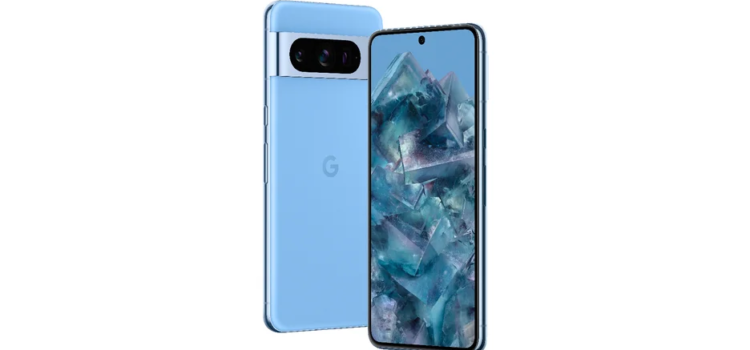
The Pixel 8 has the same clean and modern look that Google has been using for its phones. It is not completely different than earlier models, but everything about it has a more premium feel to it. The glass back is matte finish and looks and feels great, but will show fewer fingerprints on it than a shiny glass product. The processed aluminum body gives the phone a solid feel in your hand.
The Camera Bar has also been updated from previous models with a more integrated design that does not look as bulky, creating a more elegant look overall on the back of the Pixel 8. The phone feels comfortable in hand, and its IP68 water and dust resistance make it practical for everyday use, whether you’re commuting in New York or hiking in Arizona.
For many Americans who value subtle design with serious functionality, the Pixel 8 hits a great balance.
Display: Bright, Vivid, and Adaptive
The Pixel 8 features a 6.2-inch OLED display with smooth adaptive refresh rates, up to 120Hz, meaning scrolling stays fluid without draining battery unnecessarily.
Colors are vivid and accurate, and the brightness is strong enough to cut through bright sunny outdoor environments, a must for U.S. users who rely on their phones outdoors. Watching videos, browsing social apps, and reading text feels comfortable and detailed.
While some flagship phones push slightly higher resolution numbers, the Pixel 8’s display delivers real-world performance that’s rich and responsive.
Performance: AI-Boosted Power
Under the hood, the Pixel 8 runs on Google’s Tensor G3 chip, a silicon stack built around AI and machine learning performance rather than raw benchmark dominance.
In everyday use, that means:
- Fast app performance
- Smooth multitasking
- Smart background processing for AI features
Gaming performance is solid but not class-leading. If your primary use is eSports-level gaming at ultra settings, dedicated gaming phones may still hold an edge. For most U.S. users, however, including students, professionals, and social media creators, the Pixel 8 feels fast and responsive.
AI Features: The Pixel 8’s Core Strength
The headline here is AI intelligence baked into everyday tasks and unlike many marketing buzzwords, Google’s implementation shows practical payoff.
Real-Time Transcription and Translation
Perhaps the most impressive feature is real-time transcription and translation. Speak into the phone in one language and get instant text in another. For U.S. travelers, bilingual households, or professionals on global calls, this is a genuine productivity boost, no third-party apps needed.
Live Caption Everywhere
Google’s Live Caption feature is expanded deeply into the Pixel 8. Whether you’re on a Zoom call, watching a video, or listening to a voice message, real-time captions appear without an internet connection. This is especially useful in noisy environments or for accessibility.
Speech-to-Text With Context
Dictation is contextually smarter than before. It understands pauses, punctuation cues, and even filler words, making voice-to-text far more accurate without manual editing.
Photo Magic and AI Editing
AI reaches deeply into the camera app, offering one-tap improvements and scene-specific suggestions while keeping edits looking natural.
Magic Eraser now intelligently removes objects, backgrounds, or even people with minimal effort. Portrait mode is also sharper and cleaner.
Camera: Pixel Best-in-Class
Google’s camera software is still one of its biggest strengths, often outperforming physically “better” hardware from competitors thanks to advanced computational photography.
The Pixel 8’s main camera sensor produces sharp, colorful images with excellent dynamic range, even in tricky lighting. Night Sight continues to impress, delivering usable low-light shots without intrusive noise.
Portrait shots feel more refined, and video quality is solid with stable recording and accurate color reproduction.
Where other flagships focus on ultra-wide or telephoto lenses with high megapixel counts, Google focuses on software-optimized goodness — and for most everyday shots, that strategy delivers.
Battery Life: All-Day Performance
Most U.S. users should get through a full day with typical use of messaging, social media, music, maps, and moderate video streaming. Heavy AI usage (like real-time translation or on-device processing) may draw more power, but the phone still lasts through a long workday.
Fast charging via USB-C is supported, and wireless charging works smoothly for compatible pads, a convenience if you prefer cable-free power at night.
Comparatively, battery performance sits in the middle of the flagship pack, reliable, consistent, and user-friendly.
Software: Clean, Smart, and Long-Term Support
The Pixel 8 runs Google’s clean Android interface, one of the most user-friendly experiences you’ll find. No bloatware. No confusing overlays. Just fast, intuitive navigation.
Google promises long-term software updates, making the Pixel 8 a smart long-term investment. Monthly security patches and feature drops keep the phone feeling fresh and safe.
For privacy-minded users, Google’s on-device AI processing means many smart features don’t require cloud uploads, keeping personal data more private.
Connectivity and Extras
You get:
- 5G support for ultra-fast data
- Wi-Fi 6E (or newer) for strong home and office connectivity
- Bluetooth 5.4 for low-latency audio
- NFC for contactless payments
U.S. networks are fully supported, and carrier integration with major operators is smooth. Switching carriers or traveling domestically shouldn’t disrupt connectivity.
Face Unlock and improved fingerprint responsiveness also help streamline daily use.
Pros: What Makes the Pixel 8 Stand Out
1. AI features that feel genuinely useful
Real-time translation, on-device transcription, and adaptive suggestions are genuinely practical rather than gimmicky.
2. Excellent camera performance
Google’s computational photography continues to outclass many competitors in everyday shooting.
3. Clean software with long support
Three to four years of updates or more means longevity.
4. Real-world performance
Speed and efficiency where it counts: apps launch fast, multitasking feels smooth, and AI workloads don’t bog down the system.
5. Google ecosystem synergy
Deep integration with services like Photos, Assistant, and Workspace benefits U.S. users invested in Google’s ecosystem.
Things to Improve on
1) Battery Life Good – not class leader – Heavy users might need another charge partway through the day.
2) No dedicated Telephoto Lens – competitors have better optical zoom than this.
3) User habits dictate AI benefits – If you do not use features such as real-time translation/transcription regularly, it will feel like just another great Android flagship phone
4) Gaming Performance – Casual/Moderate gaming performs well – not a dedicated/gaming phone
Who the Pixel 8 Is Best For
• Everyday users who love excellent photography
• People who travel or work with multiple languages
• Remote workers and students relying on transcription or captions
• Google ecosystem users using Workspace, Photos, and Drive
• Anyone wanting a future-proof software experience
Verdict
Google Pixel 8 is among the most important smartphones available in America that use AI and Machine Learning to simplify your life. It doesn’t attempt to follow all of the latest smartphone trends and specifications; rather, it uses AI to enrich your standard daily life through beneficial tools, including: Translation, Transcription, Camera Enhancements, and Real World Assistance that is performed without the need to download additional applications or use other devices.
Although the Google Pixel 8 does not have the leading hardware features (longest battery life, biggest optical zoom lenses, or highest GPU speed) it is still a powerful smartphone, and the benefits of its AI features are significant and will make many of your daily tasks less difficult and provide you with additional usefulness.
If you are looking for a smartphone that has an even distribution of hardware and operating system incentives with an emphasis on using AI for a better user experience, along with a commitment to long-term support and updates, then the Google Pixel 8 is one of your best options available today.
FAQs
1. What makes the Pixel 8 different from other Android phones?
The Pixel 8 runs on Google’s Tensor G3 chip, which prioritizes AI and machine learning performance. Unlike many Android phones that focus on benchmark speed, the Pixel emphasizes practical AI features integrated into daily tasks.
2. How good is the Pixel 8 camera?
The Pixel 8 delivers excellent photo quality thanks to Google’s computational photography. Features like Night Sight, improved Portrait mode, and AI-powered Magic Eraser help it compete with and often outperform, other flagship phones in everyday shooting.
3. How long does the Pixel 8 battery last?
Most U.S. users can expect all-day battery life with typical use, including messaging, social media, and moderate streaming. Heavy AI usage or gaming may require a recharge before the end of the day.
4. How many years of software updates will the Pixel 8 receive?
Google promises long-term Android updates and regular security patches, making the Pixel 8 a strong long-term investment for users who plan to keep their phone for several years.
5. Does the Pixel 8 support 5G in the United States?
Yes. The Pixel 8 supports major U.S. 5G networks and works smoothly with leading carriers, making it suitable for fast data speeds across urban and suburban areas.
Source link:
Google Pixel 8 Review: ‘Best Take’ Levels Up AI-Enhanced Photos – CNET
Google Pixel 8 review: The best Android phone for most people | Tom’s Guide