





Smart homes are experiencing high growth in 2025 with the advancements driven by MI Home and Jio smart Devices. Secondly growing enthusiasm for IOT is encouraging Indian households to adopt automation for energy efficiency. Entirely smart home automation technology is ruling India.
Smart Home India:
The Big Picture the Indian smart home market in 2025 is expected to reach US$5.2–7.5 billion, surging at a robust CAGR of 30% through the decade. With rising real estate investments, urban development, and the government’s Smart Cities Mission, there is a new wave of home automation, even while 5G and broadband infrastructure become widely available.
Key Trends Shaping Indian Smart Homes
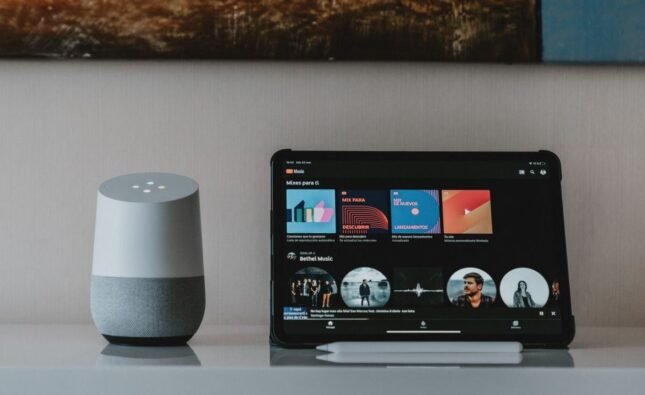
- AI-powered home assistants: Devices like Alexa, Google Home, and Jio’s multilingual AI are moving beyond simple tasks to anticipate user needs and adjust the environment autonomously.
- Energy optimization: Active smart thermostats and appliances reduce power consumption, which can cut bills by as much as 25% while supporting a greener lifestyle.
- Security and surveillance: AI-enabled locks; cameras now come installed with real-time alerts and biometric access.
- Personalized Automation: Smart systems tune lighting, climate, and entertainment to individual routines and moods for added comfort in life.
- Green home technology: smart homes and IoT-enabled water monitoring systems, focuses on eco-conscious innovation, aligning with India’s commitment to sustainability.
Mi Smart Home Devices: Xiaomi’s Vision for India
Mi Home, from Xiaomi, is laying all bets on smart home innovations and aims to launch a long array of products ranging from smart TVs to cameras, door locks,and energy-saving kitchen appliances. Mi’s ecosystem uses 5G and IoT connectivity to drive high-speed automation and seamless device integration across smartphones, tablets, and home appliances. Their new generation of devices think Xiaomi Smart Door Lock Pro utilizes advanced AI for biometric access, intruder detection, and integrate seamlessly into Mi smart home products to create a cohesive security solution.
Xiaomi is working to make automation affordable for middle-class families. The brand aspires to sell 700 million smart devices in India over the next decade, underlining its strategic push to make smart homes mainstream.
Jio Smart Home: India’s Next-level Connectivity Reliance Jio’s portfolio for Smart Homes reimagines the Indian home in connectivity and user experience through high-speed broadband-JioAirFiber, JioFiber-powered by versatile device networks. The solution suite of the Jio Smart Home platform includes.
- User-friendly Smart Home app for quick and intuitive control.
- Set-Top Box serves as a gateway for entertainment, gaming, and interactive experiences.
- Integration with devices like TV, lighting, security, and more using Bluetooth, ZigBee, and Wi-Fi.
- The newly announced products include multilingual, hands-free AI companions such as Jio Frames, and Jio PC to make any screen on your personal computer.
Jio’s strategy is to deliver accessible, plug-and-play smart device solutions for every Indian home, making advanced digital living practical and inclusive.
Indian IoT Adoption: Widespread and Transformative
With more affordability, better digital literacy, and improvement in infrastructure, IoT adoption in Indian homes is surging faster than ever in 2025:
- Most of the new apartments and premium housing projects are fitted with smart locks, CCTV, and energy dashboards.
- Major cities as a standard way are being introduced to integrated smart security, energy management, and automation.
- 5G and fixed wireless access have made real-time device connectivity reliable for urban and suburban consumers.
The demand for remote monitoring, cloud dashboards, and biometric security is further accelerating the adoption of smart homes among NRIs and small office/home-office owners.
Smart Home Adoption in India:
- Cost concerns: These days, even with many options available, many middle-class families still cannot afford home Automation systems.
- Regional disparities: Adoption rates are higher in metropolitan areas than in rural areas, largely due to increased awareness.
- Privacy and security: the crucial concept nowadays is rising connectivity; Indian consumers want strong data protection as well as secured networks for their smart systems.
Opportunities abound as brands cater to local needs, including multilingual app interfaces, region-specific content, and easy-to-install solutions. Middle-class families and younger professionals, in particular, are driving the next phase of home automation.
Future Outlook: Living Smarter, Greener, and Safer
By the end of this decade, smart homes in India will be more about a definite way of living than an item of luxury. AI, IoT, and 5G converge to create homes more personalized, energy-efficient, and secure than ever. Xiaomi and Jio’s unabated investments stand ready to democratize smart living, whereas the persistently rising consumer expectations are looking to keep the innovation frenzy unabated.