





Smartphones may look familiar on the surface in 2026, yet the technology inside is taking a decisive leap forward. AI-native processors, new connectivity layers and advanced display systems are turning everyday devices into powerful personal platforms with enterprise-level capabilities. Let’s take a look how AI will change the smartphone.
What Exactly Is an AI Phone?
An AI phone is a type of smartphone that has hardware and software specifically designed for AI to run directly on the phone. Unlike traditional forms of AI, which typically rely on cloud-based computing for the majority of their processing, modern AI phones utilize very powerful mobile chipsets with added neural processor units (NPUs), which allow them to learn from their users in real-time, respond faster, and maintain better user privacy. By 2026, the majority of mid-range and flagship smartphones will have built-in AI engines that are constantly learning based on the way you use them. For instance, the phones will learn how you use applications (including when you charge them), how you respond to incoming messages, and how you interact with the device (e.g., holding it) to help streamline your usage experience and increase your overall efficiency.
How AI Is Transforming Smartphone Cameras?
Artificial intelligence has significantly benefited camera technology. Cameras using artificial intelligence are now able to evaluate images in real time, automatically adjusting things like exposure, colour balance, and focus. More accurate portrait photography with improved edge-detection and natural background blur have resulted from the use of artificial intelligence. Also, artificial intelligence helps with low-light photography. Instead of just using hardware-based sensors like standard cameras do, smartphones use artificial-intelligence algorithms to combine several frames together to create clearer, brighter photos taken in a low-lit environment. There have been many improvements in video recording due to the use of artificial intelligence, including stabilizing video footage, amplifying voices, and eliminating unwanted background noise.
Smarter Battery Management with AI
Battery life has always been a concern for smartphone users, and AI is finally providing a practical solution. AI phones in 2026 intelligently monitor usage patterns and adjust power consumption accordingly. Apps that are rarely used are restricted in the background, while frequently used apps get priority resources. Charging has also become smarter. AI learns your daily routine and slows down charging overnight to protect battery health, completing the charge just before you wake up. This not only extends battery lifespan but also improves long-term performance.
Best AI Smartphones in 2026
Best AI Phone Overall
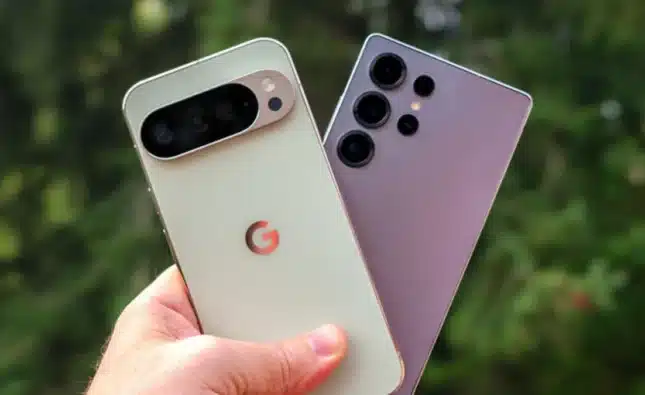
The Samsung Galaxy S25 Ultra is as feature-stuffed as AI phones get right now. As well as having most of Google’s Gemini smarts, there’s a full contingent of Galaxy AI features too. It’s all tightly integrated into OneUI, which is more streamlined than ever and the phone itself is a true-blue flagship.
Pros
- AI offerings far more streamlined than previous efforts
- Flagship performance, display and build quality
- Very capable (if not class-leading) cameras
Cons
- AI functions only free for first year
- As expensive as flagship phones get
Best Apple AI phone
The Apple iPhone 17 Pro Max ticks all the AI boxes, but in a typically Apple way. It’s all tightly integrated into each iOS 26 app, and has improved considerably since its initial introduction.
Pros
- Ludicrously powerful with impressive battery life
- Impressive new camera smarts
- Incorporates AI throughout the OS in ways only Apple can do
Cons
- Distinctive new design maybe not to all tastes
- Return to aluminium after years of tough titanium
Best AI Phone for Photography
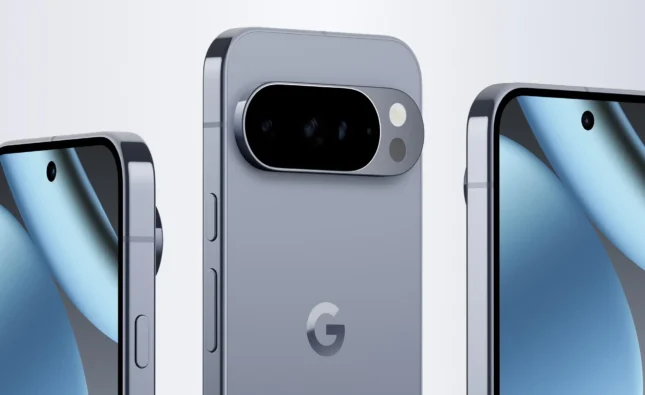
While the Google Pixel 10 Pro XL might not have the outright best camera hardware of any phone, its image processing is phenomenal as are its AI abilities. Beyond generative edits, it can also analyse a scene in the camera app and suggest ways to change the composition for more impactful shots.
Pros
- Flagship-worthy build and styling
- Consistently great cameras in all conditions
- Android’s AI upgrades a sign of things to come
Cons
- Beaten on raw processing power by Snapdragon rivals
- Higher price makes rivals more tempting
Best Affordable AI Phone
The Nothing Phone 3a costs a quarter of the other phones listed here, but has raced ahead with a clever AI-powered central hub that stores and sorts all your notes, screenshots and saved links. It’s like a smart scrapbook for the 2020s.
Phone 3a has all of Android’s usual AI-driven features, including Circle to Search and Gemini Live – but the Essential Space is unique to Nothing hardware. It’s a hub for all your screenshots, voice notes and web links, opened with a double-press of the dedicated button. Press the Essential key once and it’ll take a screen grab; hold it down and it’ll record a voice memo.
Pros
- Mid-tier performance and battery for considerably less cash
- Familiar Nothing hallmarks like glyphs and widget-based OS
- Capable cameras for the money, with mature processing
Cons
- Can’t match the 3a Pro for zoom clarity
Words from Experts
Samsung Research Institute-Bengaluru (SRI-B) managing director Mohan Rao Goli said: “We are also moving the needle from the smartphone era to the AI phone era. This requires a new platform. The Galaxy AI platform is very basic to bring it to the AI phone era. AI is becoming the new user interface for consumers. It is not like the touch-and-go. It is about the new way to interact with these devices.”
“It is close to the real time, for example, my friend is speaking in French, the way he is speaking in French, whatever I get, I can get it in Hindi itself, right. And the consumers are liking this particular feature, and then they gave positive feedback about this,” Goli added.
“We have to utilise all the sensors available in the phone to come up with the software algorithm, which is powered by the AI model, to do this switch over very seamlessly,” Goli stated.
Challenges and Concerns Around AI Phones
Despite the advantages, AI phones also raise concerns. Data privacy remains a major topic, as AI systems rely on user data to learn and adapt. Manufacturers claim that on-device processing reduces data sharing, but transparency remains crucial. There is also the challenge of dependency. As smartphones become more intelligent, users may rely heavily on automated decisions, raising questions about control and digital well-being.
Increase in Smartphone Price
As AI production continues to grow, a rising number of components used in AI production experience significant demand, leaving little for smartphone manufacturers.
Counterpoint report has made several significant updates regarding the smartphone market with a new report that shows an increase in the average selling price (ASP) of smartphones by a large amount. The new report indicates that the ASP will increase by 6.9%, much higher than the previous estimate of a 3.6%.
The report also indicates that smartphone sales are expected to decrease slightly over the next year with a 2.1% decline compared to 2016.
Dynamic Random Access Memory (DRAM) is the primary type of memory used in smartphones and allows users to perform multiple tasks at once and run the operating system efficiently.
The demand for DRAM for smartphone use continues to grow rapidly as companies like Nvidia, AMD, and Qualcomm develop new AI data centers that require a significant amount of memory for their processors (i.e., more than previously thought). As demand for DRAM continues to increase faster than the rate of supply growth, prices for DRAM continue to increase.
This economic shift would be consequential for smartphone production, as original equipment manufacturers (OEMs) will eventually have to increase prices while reducing the overall supply of phones in 2026.
Final Thoughts
AI has become a part of our daily lives and continues to change how we live our life today. Smartphones that have been enhanced by AI today have become increasingly intelligent, efficient, secure, and personalised due to artificial intelligence. The advancements in areas such as photography, battery life, usability, and security are changing the way the average consumer interacts with their phones.
As technology continues to evolve, AI-powered smartphones are set to become even more integral to how people work, communicate, and live.
New processors and platforms, including Qualcomm’s Snapdragon 8 Gen 5, ARM’s Lumex and Google’s Tensor G5, are built from the ground up for “edge” AI. This means they run algorithms natively on-device rather than simply being terminals for accessing AI in the cloud. For us, this will mean faster responses, improved security, and AI that feels seamlessly integrated into the features and apps we use day to day.
FAQs
1. What makes a smartphone an “AI phone” in 2026?
AI phones are designed with advanced on-device intelligence, including AI-driven photography, voice assistants, predictive suggestions, real-time translation, and adaptive system optimizations that enhance everyday use.
2. Do I have to pay for AI on my smartphone?
Currently, most phone brands are in a “the first hit is free” phase: the various AI features are baked into each handset from the factory, with no need to pay extra upfront to access them. That’s rapidly changing, though: you might find tasks that need a lot of cloud-based processing, like image generation, require paid-for tokens.
3. How do AI phones improve camera performance?
AI phones use machine learning to recognize scenes, optimize settings, reduce noise, stabilize footage, and even suggest creative compositions, resulting in better photos and videos without needing professional skills.
4. Can I keep all AI processing on my phone, rather than the cloud?
If you’re concerned about data security and don’t like the idea of algorithms storing your personal info somewhere in the online ether, most phones give you the option to restrict AI processing to on-device only. This may lock you out of certain features, and it may not be as quick to process, though it’ll vary between brands and apps.
5. Do AI features work without an internet connection?
Many AI phones in 2026 use on-device AI for core tasks (like camera enhancements and predictive typing), so they still perform intelligently even offline, though some features may require internet for cloud-based processing.