





The best phones under $500 offer a good camera system, solid performance, and a big display. Most of these phones include features found on flagship devices that cost over $1,000. Cheap phones even get several years of software and security updates to keep them lasting longer.
Positioned between the affordable lower mid-range and premium high-end products, mid-range smartphones are meant for buyers who don’t want to splash on a flagship but still seek fast performance, quality cameras, and a premium build.
Best Android phone under $500
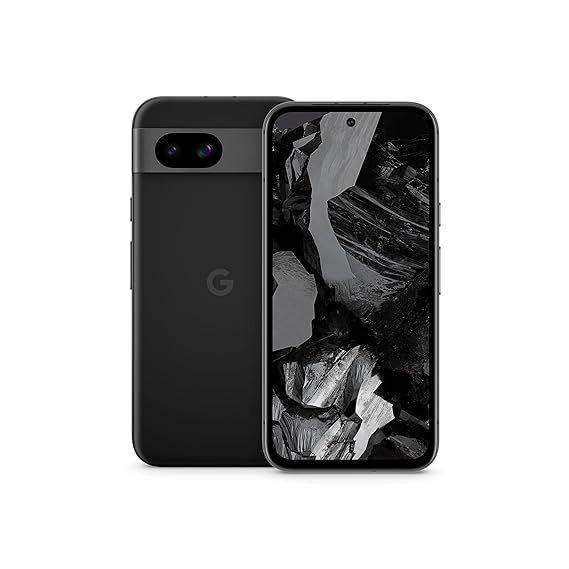
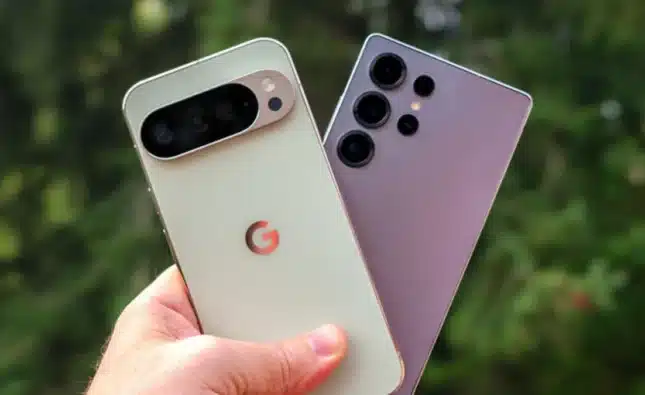
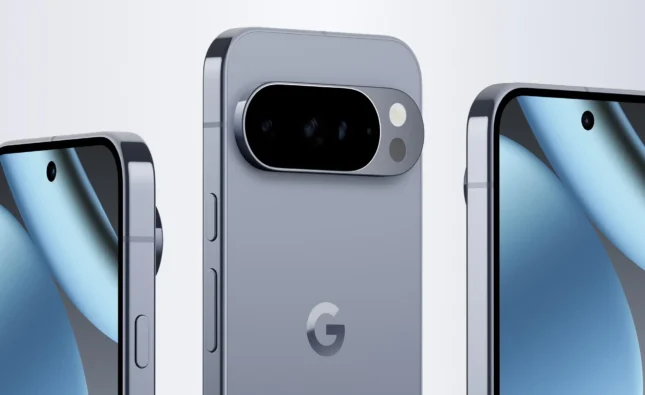
Google Pixel Series
The Pixel series is a great choice for this range. The following are the advantages and disadvantages of Google Pixel devices in this range.
Pros
- Great camera
- 7 years of software updates
- Many of the same features as the Pixel 8
- Good battery life
Cons
- 256GB storage not available on all models
- Zoomed and low light shots aren’t as clear as the Pixel 8’s
Google Pixel 7A
Pros
- Excellent camera
- Many of the same features as the Pixel 7 at a cheaper price
- Attractive design
- Gains wireless charging
Cons
- Screen still looks dim outdoors
- Higher price compared with Pixel 6A at launch
- Only three generations of Android OS updates compared with Samsung’s four
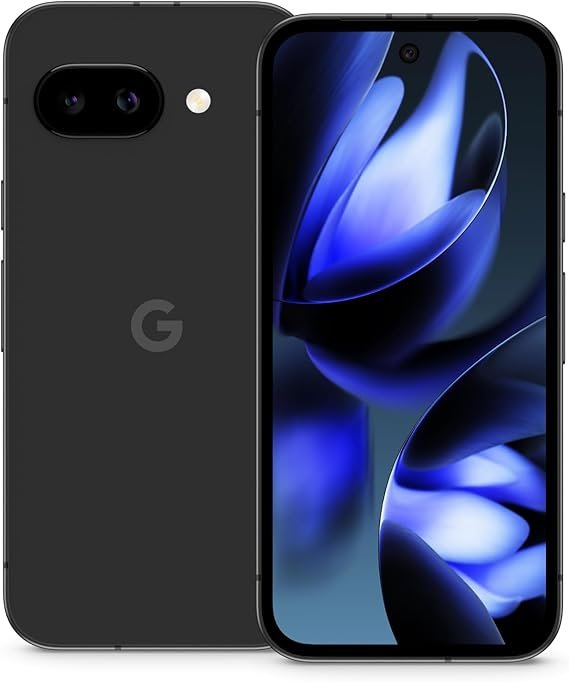
The phone uses a Tensor G4 chipset that doesn’t run as hot as some of its predecessors, and performance is reliable. The 6.3-inch OLED screen is a little bigger and a bit brighter than last year’s, which makes a noticeable difference when you use the phone outside. Durability also received a slight boost to IP68, which means it can withstand a drop in deeper water than the IP67-rated Pixel 8A.
Pros
- Robust IP68 rating
- Seven years of software updates
- Brighter, bigger screen
Cons
- Missing a couple of AI features
- AI is occasionally handy, usually weird
OnePlus 12R
OnePlus has released cheaper “R” versions of its flagships for years now, and one of the better ones out there was early 2024’s OnePlus 12R. It is perfect for light to moderate usage to this day, and you will only strain it in heavy gaming.
Pros
- Affordable price
- Solid overall performance
- Good battery life
Cons
- Short software support period
- Lacks wireless charging
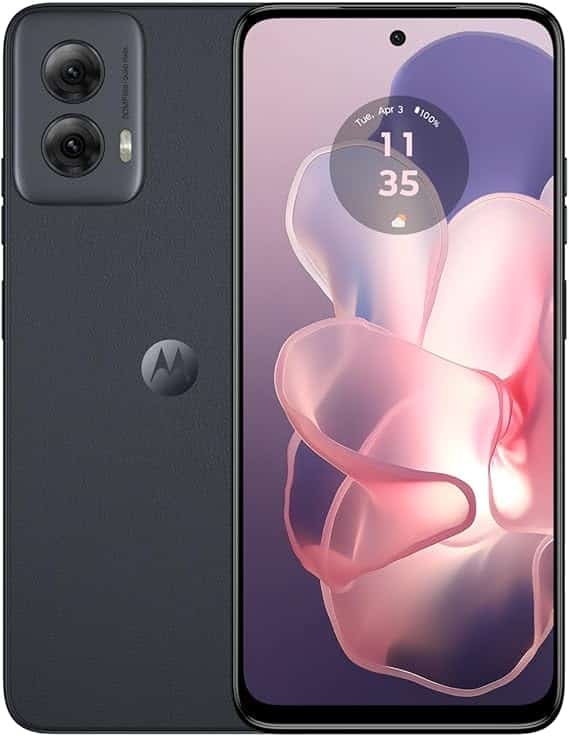
Motorola Moto G Power features a 6.8-inch LCD display, a 5,000mAh battery, wireless charging support, and a 3.5mm headphone jack. Additionally, the device combines both IP68 and IP69 ratings, meaning it’s rated for both submersion in water and exposure to high-pressure water jets and steam. It also provides full protection from dust.
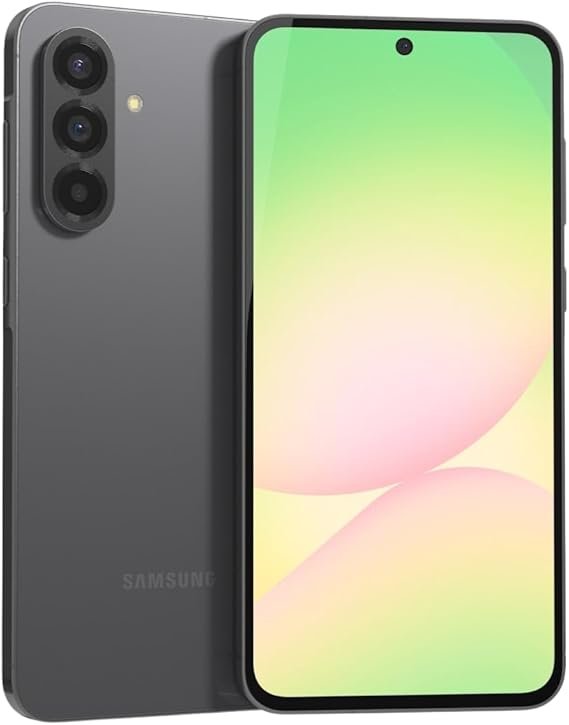
The Samsung Galaxy A56 has all the makings of a solid midrange phone, including a 6.7-inch OLED display, a 50-megapixel main camera, an Exynos 1580 chip, and a 5,000mAh battery with 45W wired charging.
Samsung Galaxy A36 5G
The Samsung Galaxy A36 5G device sports a big OLED display, a decent midrange Snapdragon 6 Gen 3 processor, and an IP67 rating for water and dust resistance. Samsung is promising six years of OS and security updates, which is a lot in this price range. Compared to the Galaxy A35 5G, which we previously included in this guide, the A36 5G drops the microSD slot for a second SIM card slot.
Nothing Phone 3A Series
The Nothing Phone 3A and 3A Pro are differentiated by their cameras. Both phones feature a 50-megapixel f/1.8 main camera and an 8-megapixel ultrawide; however, the 3A Pro’s prominent round camera housing includes a 3x periscope telephoto lens, while the 3A offers a standard 2x zoom. They also offer improved hardware over the Phone 2A, and a new feature called the Essential Space, which allows you to store and index your miscellaneous screenshots, voice memos, and photographs through a dedicated button.
Top Camera Phones
iPhone 17 Pro Max
Apple’s iPhone 17 Pro Max continues its leadership in smartphone videography. It is supported by its A18 Pro chip and fourth-generation quad-pixel sensor. Its 1-inch main sensor, combined with 10-bit ProRes and 8K Dolby Vision support, provides stable and colour-accurate footage. The device excels in rolling shutter suppression due to its faster readout layer, which results in minimal jello effects.
The cinematic mode has been improved with more precise depth separation, using LiDAR-assisted neural segmentation. The phone provides built-in Apple Log for Youtubers. This tool helps in colour grading workflows. Its sensor-shift OIS and gyro-based stabilization produce footage, which are comparable to a handheld gimbal.
In low-light conditions, this model uses a triple-stage noise reduction pipeline: spatial noise reduction, temporal frame stacking, and AI luminance reconstruction. This results in clean 4K 120fps footage.
Samsung Galaxy S26 Ultra
Samsung S26 Ultra integrates a 200MP sensor with binning modes that switch between 16-in-1 and 4-in-1 pixel merging based on scene complexity. It supports 8K 60fps and 4K 240fps, making it ideal for high-frame-rate creators.
Its hallmark feature is the triple-axis gimbal stabilization embedded directly into the telephoto lens assembly, which combined with Samsung’s EIS, produces exceptionally stable zoomed video. This makes the S26 Ultra uniquely strong in long-range videography.
Samsung’s HDR algorithm introduces real-time tone mapping with 14-stop dynamic range capture, allowing smooth exposure transitions and well-controlled highlights. While the color science is more saturated than Apple’s neutral look, filmmakers can switch to LOG mode for better grading flexibility.
Google Pixel 10 Ultra
The Pixel 10 Ultra uses Tensor G4 chipset to deliver exceptional video-processing intelligence. Unlike Apple and Samsung, Google optimizes heavily for AI-driven scene reconstruction, which enhances detail and stabilizes motion at a granular level.
The Pixel’s strength lies in real-time video noise removal via machine learning, motion-aware exposure correction, and AI-enhanced cinematic blur.
Its Cinematic Pan 2.0 feature uses predictive frame interpolation to simulate extremely smooth panning, giving footage a professional, dolly-like appearance.
The Pixel 10 Ultra is suited for YouTubers because of its auto-editing, voice-enhancing algorithms, and seamless integration with cloud-based workflows.
Xiaomi 16 Ultra
Xiaomi’s 16 Ultra is built around an ultra-large 1-inch type Sony LYT-900 sensor, ensuring one of the most filmic image outputs in the smartphone industry. It supports full-sensor 8K recording and internal 10-bit LOG capture.
Xiaomi’s optical engineering provides summicron lens collaboration, advanced anti-flare coatings, and dual native ISO fusion.
Its stabilization is hybrid in nature, relying on sensor-shift mechanics along with AI motion prediction. It performs best during handheld walking shots, which makes it an excellent choice for mobile filmmakers.
Unlike Apple, Xiaomi provides more granular professional controls, including shutter-angle adjustment (180°, 216°). Color temperature presets and focus peaking features usually found in mirrorless cameras.
Sony Xperia Pro-II
Sony’s Xperia Pro-II remains the most ‘camera-like’ smartphone. It features three 1/1.3-inch Exmor RS sensors, each with identical resolution and calibrated color science, allowing uniform footage across lenses.
Its standout capabilities include S-Cinetone color science, true manual controls, external monitor functionality via HDMI-in, real-time 4K 120fps internal recording without thermothrottling
Sony prioritizes creator tools over computational tricks. This device is specifically tailored for professionals seeking full manual exposure control, minimal processing, and predictable results.
What should you check before purchasing?
Photography
Photography is a major focus for most phones these days. Users should try out any new camera modes, such as the 4K 120fps slow motion mode that debuted with the iPhone 16 Pro and 16 Pro Max line, or the Add Me photo tool that launched with the Google Pixel 9 series.
Battery life
Customers need to assess how long a phone lasts during a typical day of use and note how it performs during more focused sessions of video calls, media streaming, and gaming.
Performance
Users should look at how quickly the phone switches between horizontal and vertical orientations, and how fast the camera app opens and is ready to take a photo.
Final Thoughts
The smartphone market has undergone a dramatic transformation over the past few years. While flagship devices from Apple, Samsung, and other major manufacturers now regularly exceed $1,000, the sub-$500 category has become incredibly competitive.
FAQs
1. Why is the Google Pixel series a good gifting choice in 2025?
Google Pixel phones are known for industry-leading photography, AI-powered features, timely software updates, and a smooth, clutter-free Android experience, making them a reliable and thoughtful gift.
2. Which premium Android phones are worth gifting besides Google Pixel?
Apart from Pixel, premium options like Samsung Galaxy S-series, OnePlus flagship models, and select foldables offer high-end performance, superior displays, and versatile camera systems suitable for gifting.
3. Is it better to gift an Android phone or an iPhone in 2025?
It depends on the recipient’s preference. iPhones are ideal for users already in the Apple ecosystem, while Android phones, especially Pixel devices, offer more customisation, AI features, and value flexibility.
4. Are AI features important when choosing a smartphone gift in 2025?
Yes, AI plays a major role in smartphones in 2025. Devices like Google Pixel and iPhone 17 leverage AI for photography, voice assistance, productivity, and security, enhancing daily user experience.
5. Are flagship smartphones suitable gifts for professionals and creators?
Absolutely. Premium smartphones in 2025 are ideal for professionals and content creators due to powerful processors, advanced cameras, AI tools, and seamless multitasking capabilities.