
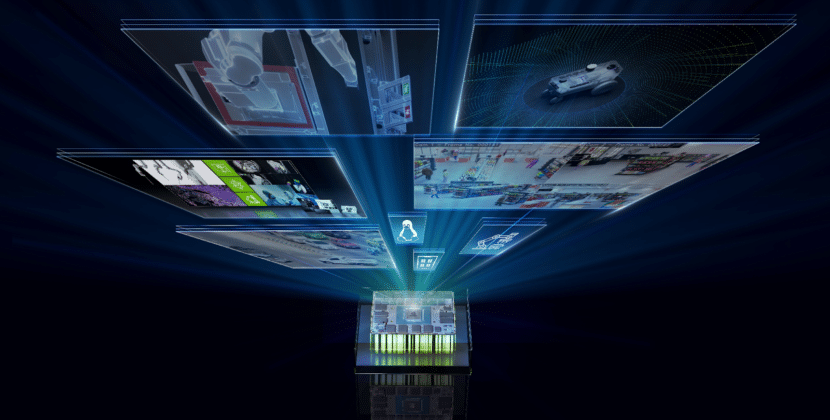





The United States will have more efficient and reliable operations by utilising artificial intelligence (AI) from NVIDIA within the energy grids throughout the U.S. Utilities will have access to AI platforms, which will allow them to better monitor the supply & demand for energy, add renewables to their grids, and increase resiliency within their systems. This aligns with NVIDIA’s plans to apply advanced computing technology to real-world challenges using machine learning algorithms; as such, they have identified AI as an important component of intelligent and sustainable energy systems.
AI for Smarter Energy Management
As energy grids become ever more intricate by integrating not only conventional methods of energy production but also sustainable types of energy such as the sun or wind, there is now a growing need for innovative digital solutions to enable the collection, management, dissemination and analytical interpretation of vast amounts of data generated through sensors, meters and grid operations in real time and assist in providing predictive analytical tools in order to help operators predict the fluctuation of energy demand, locate areas of potential bottlenecks and optimally distribute electrical power throughout their respective networks.
NVIDIA provides utilities with decision-support tools based on Artificial Intelligence (AI) that improve service reliability by reducing outages, preventing overload conditions, and ultimately increasing operational efficiency. AI technologies will further support proactive maintenance, helping utility companies detect potential faults before they result in costly service disruptions.
Enhancing Grid Reliability and Resilience
The functioning of an energy system relies heavily on reliability, which is essential to modern systems. AI software from NVIDIA can assess the current state of transmission and distribution networks to identify anomalies or issues that could lead to future failures. By identifying problems early and addressing them before they cause disruptions, operators can reduce the likelihood of service interruptions, thereby ensuring reliable power delivery to their customers.
As more variable renewable sources are added to electrical grids, resilience becomes increasingly important. AI models can dynamically balance electricity supply and demand over time by adjusting generation and storage to keep the grid stable even as weather conditions change. This ensures that the electrical grid can facilitate the transition to a decentralised, lower-carbon energy future.
Integrating Renewable Energy Sources
Due to the variable supply of power from renewable sources (e.g., solar and wind), integrating them into the grid poses challenges. One way AI is being used to help resolve these issues is by providing analyses of current weather patterns, projected energy generation, and historical consumption data. This will assist utilities with better capacity planning for integrating renewable resources while ensuring their capacity is not over-utilised.
Further, AI will assist in managing energy storage. By combining real-time demand information, utilities can appropriately time charging and discharging their batteries. This improved connection between generation (renewable), storage (batteries), and distribution (the grid) will create a more sustainable energy system overall.
Real-Time Analytics and Decision Support
Operators can make faster and more precise operational decisions by leveraging high-speed computing, machine learning, real-time analytics, and predictive analytics.
Predictive analytics can also streamline processes, such as adjusting generator output and rerouting electricity, in response to an unusual increase in demand or equipment failure. Fewer administrative errors increase efficiency, thereby enabling quicker and easier management of energy use/transmission levels on the electrical grid. This results in safer operations since there are fewer mistakes.
Simulation and Digital Twins
An essential component of NVIDIA’s strategy is the application of digital twin technology – virtual representations of physical energy systems that replicate real-world conditions through simulation. Digital twins enable utilities to assess operational strategies, evaluate infrastructure upgrades, and prepare for potential challenges without disrupting the live electricity grid.
NVIDIA uses a combination of AI and high-performance computing to deliver detailed digital twin models of energy flow, grid stress points, and equipment behaviour. This enables operators to make better decisions, thereby increasing the reliability and safety of the overall electricity network.
Operational Efficiency and Cost Savings
The AI optimisation system enables utilities to reduce operational expenses by enhancing energy management, reducing waste, and improving equipment longevity. The system uses automated monitoring and predictive maintenance to reduce unexpected system failures, while its energy distribution system generates savings in both fuel and operational costs.
Efficiency improvements enable organisations to steer operators to a dual advantage in cost reductions and environmental sustainability, which increases their operational value.
Industry Collaboration and Partnerships
NVIDIA has ongoing partnerships with energy companies, grid management organisations, and technology companies to implement AI solutions across the power industry. Partnering enables organisations to create custom AI systems tailored to specific regions, infrastructures, and regulations.
By working together, organisations share knowledge and expertise, helping them quickly implement AI systems that transform the energy industry into intelligent, resilient systems.
Competitive Landscape
AI adoption in energy grid operations is increasingly competitive as both tech companies and electric utilities invest heavily in developing new technologies. An example of a significant vendor is NVIDIA, which continues to exhibit strength in the marketplace through its mature position in GPUs (graphics processing units) and A.I.-based computing capabilities. This allows them to provide quality, performance, and scalable solutions to their end customers.
The market will hinge on AI capabilities that help utilities operate efficiently and maintain resilience, as utilities must handle increasing demand while adapting to new regulations and integrating renewable energy.
Challenges and Considerations
Challenges exist in using AI for precision in optimising grid operations (both technical & operational access). There are three requirements for making accurate forecasts: effective data collection, advanced modelling capabilities, and seamless integration of systems into the existing infrastructure. Energy systems (which are significant national assets) need to ensure that organisations protect cybersecurity and data privacy.
Utilities need to provide training programmes that help staff understand AI recommendations and respond appropriately. The process of conducting operations needs both automated systems and human operators to guarantee safety and operational dependability.
Sustainability and Future Outlook
The sustainable energy systems depend on AI-driven optimisation as their essential technology. The NVIDIA platforms achieve sustainable energy management through three main features that increase operational efficiency, support renewable energy sources, and minimise environmental waste.
The future of energy grid operations will undergo transformation through ongoing advancements in artificial intelligence, high-performance computing, and predictive analytics. The United States energy sector modernisation process relies on NVIDIA’s active work in these fields.
Setting a New Standard in Energy Grid Operations
NVIDIA demonstrates how its AI technology transforms energy grid management through its research into intelligent systems, which are now essential components of infrastructure. The company develops energy sector solutions that achieve operational efficiency, reliability, and sustainability through its machine learning, real-time analytics, and digital twin simulation technologies.
The increasing use of AI-powered energy grids will make them essential elements of modern utilities, enabling them to deliver power with greater intelligence and resilience while protecting the environment.