





Accordingly, the OnePlus 15 is finally officially set to raise the bar for Android flagships in 2025. Blending cutting-edge technology with subtle refinements, the device aims to cater to both enthusiasts and everyday users. Here’s a Article that breaks down featuring the OnePlus 15’s specifications, new features, and how it compares to rivals like the OnePlus 14 and Samsung Galaxy S25.
Overview:
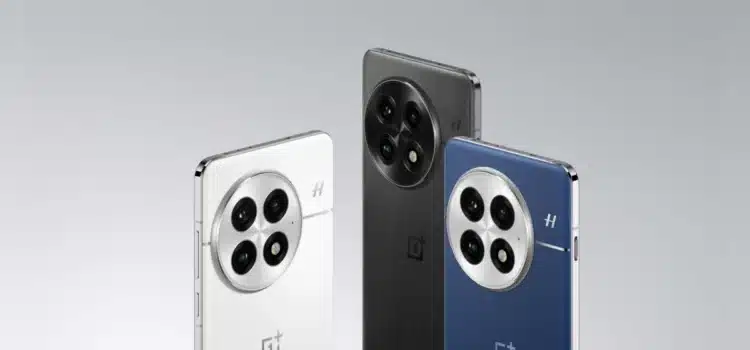
OnePlus 15 Design and Key Highlights the OnePlus 15 continues the company’s legacy of premium craftsmanship, featuring a flat LTPO AMOLED panel and a minimalist design made from materials like Gorilla Glass Victus 2 and an aluminum alloy frame. The rear camera module has been redesigned both for style and function, with color options ranging from classic matte black to a striking glacier blue.
Display: LTPO AMOLED 165Hz Panel Specs
Up front sits a 6.78-inch LTPO AMOLED display, carrying a 1.5K (1272 x 2772 pixels) resolution and a battery smooth 165Hz refresh rate. The panel is flat for a modern touch, supports HDR10+, and peaks at 1,800 nits for stellar sunlight visibility. It also has an in-display ultrasonic fingerprint sensor for quick unlocking.
Performance:
Snapdragon 8 Elite Gen 5 & RAM Under the hood, Qualcomm’s latest Snapdragon 8 Elite Gen 5 chipset leads the charge, backed by up to 16GB LPDDR5X RAM and UFS 4.0 storage options, topping out at 1TB. Benchmark leaks indicate record-breaking performance, ensuring seamless multitasking, gaming, and AI operations. And the new triple-chip architecture means consistent high framerates even during intense gaming sessions.
Camera: Triple 50MP Setup Details
Photography is a main highlight, with the OnePlus 15 featuring a triple 50MP Hasselblad rear camera system:
- 50MP Wide: LYT-808 sensor, f/1.6, OIS
- 50MP Ultra-wide (JN5, f/2.0)
- 50MP Telephoto (3.5x optical, OIS)
Expect advanced AI processing, Hasselblad color tuning, and support for 8K video. Up front, a 32MP wide-angle selfie camera provides crisp results, though heavy selfie users may prefer the OnePlus 14’s 50MP front shooter.
Battery & Charging:
- 7,300mAh + 120W The OnePlus 15 pushes the limits with a 7,300mAh silicon-carbon battery, promising multi-day endurance.
- Charging is ultra-fast thanks to a 120W wired solution, while 50W wireless charging is also supported.
- The battery is designed to maintain over 80% health after four years and can operate unfailingly in extreme cold.
Software: Android 16 (OxygenOS Based) Features
Right out of the box, the OnePlus 15 runs OxygenOS 16, based on Android 16. It features a host of AI-driven enhancements, including smart battery optimization and advanced privacy tools, and offers four years of major OS updates. OxygenOS is known for striking a great balance between speed and customizability; the OnePlus 15 now comes with new gesture controls.
Connectivity: 5G, Wi-Fi 7, Bluetooth 6.0
It’s connectivity is with wide 5G band support, Wi-Fi 7 for blazing-fast wireless, and Bluetooth 5.2. Users also get NFC, eSIM capabilities, and a robust GPS suite, making it ready for the next generation to be connected to tech experiences.
Price & Availability:
Global and India Pricing the OnePlus 15 launches globally from November 13, 2025. Base models will start at around $899 in the US. Indian pricing should be around ₹69,999 for the 12GB/256GB variant. For those higher configurations pushing 16GB of RAM and 1TB of storage, that premium starts reaching the higher-end prices-but still competitive against Samsung and Apple.
Should one upgrade to OnePlus 15 in 2025?
The 2025 OnePlus 15 stands apart from the crowd with its ultra-smooth, flat LTPO AMOLED display running at 165Hz, an imposing Snapdragon 8 Elite Gen 5 processor, a large battery, and a seriously improved camera system. Its extended options for connectivity, plus fast charging, make it outpace many rivals, while its pricing strategy is one of the boldest on the market, making even the top-of-the-line configuration enticing similar Samsung and Apple offerings. If selfies are not of the utmost importance to you, the OnePlus 15’s undeniably next-level Android experience makes upgrading genuinely worthwhile this year.