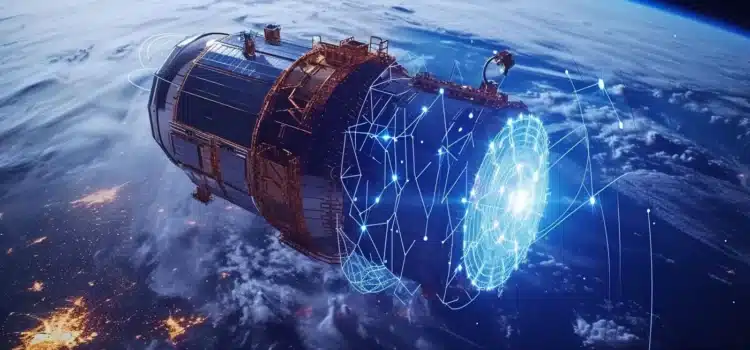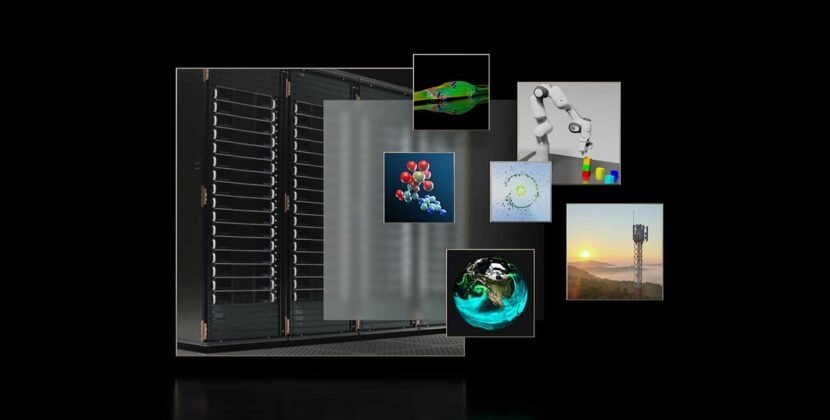






NVIDIA has grown by developing artificial intelligence systems that monitor energy consumption and manage large, networked systems. For US industries, these AI-powered platforms are essential solutions that help address the growing demand for long-lasting business practices, efficient processes, and sustainable operations. Accelerated computing and machine learning technologies are being used in NVIDIA’s new projects to address complex problems in real systems, such as transportation infrastructure, energy networks, and industrial operations.
AI at the Core of State-of-the-Art Infrastructure
Modern infrastructure systems produce huge amounts of data through their sensor systems, control systems, and networks of connected devices. The implementation of an organization’s need to preserve its operational efficiency while minimising system downtime. NVIDIA AI platforms utilise real-time data streams to enable predictive analysis and automated decision-making and better system control.
AI is used by energy system operators to analyse energy consumption trends, forecast future energy demand, and optimise power distribution. The system creates dependable operational processes that help businesses achieve their goals while reducing unnecessary resource use and maintaining business continuity during abrupt operational changes.
AI systems within transportation infrastructure monitor traffic flow patterns, identify operational disturbances, and adjust system functions in real time. With NVIDIA’s integration of AI, infrastructure transforms from reactive to intelligent, adaptive systems.
Accelerated Computing for Energy Efficiency
NVIDIA uses an accelerated computing architecture that combines graphics processing units and software frameworks for its operations. The system can manage extensive artificial intelligence tasks that require substantial processing power because it uses its components. The system handles complicated systems that connect multiple components. Operators can use AI models to create simulated grid operations on NVIDIA platforms. The forecasting systems discover breakdowns and provide solutions to avoid future problems.
Renewable sources, including solar and wind, generate power and create special challenges for the transmission grid. AI technology maintains grid equilibrium by adapting in real time as energy source levels fluctuate and helps stabilise the supply-demand balance.
Digital Twins and Simulation Technologies
NVIDIA now uses digital twin technology, which creates virtual models of real-world systems, to transform its operational system. Digital twins, as digital copies of actual systems, let operators test and assess actual scenarios in a secure digital environment.
Engineers use NVIDIA Omniverse to create digital models of power plants, factories, and infrastructure. These models enable teams to test scenarios, improve performance, and identify operational risks.
Digital twins enable energy companies to model electricity grid behaviour across several scenarios, preparing operators for peak demand and emergencies. This technology allows urban planners to design intelligent cities and implement efficient transport systems and resource management systems for effective operations.
Supporting Renewable Energy Transition
Shifting to renewable energy presents the greatest challenge for present-day infrastructure. Existing systems need advanced coordination and immediate decision-making. Only with such abilities can organisations successfully incorporate renewable energy.
NVIDIA’s AI systems solve this problem by delivering accurate predictions, which lead to better resource management. The machine learning model, a type of AI system that improves by finding patterns in big datasets and adjusting itself based on new data, uses weather data to forecast solar and wind energy production. This system enables operators to distribute power resources through their power distribution management. Clean energy production, but it likewise enhances the performance of renewable energy systems. By facilitating integration, NVIDIA helps the United States pursue its sustainable environmental development objectives.
AI for Industrial Operations
NVIDIA developed its AI platforms for industrial sectors that operate manufacturing, logistics, and construction systems. These industries depend on detailed systems, so they require continuous oversight and performance optimisation, making these platforms progressively vital.
AI systems improve operational capability by identifying problems, predicting equipment failures, and completing tasks without human operators.
AI systems enhance operational capacity because they detect system faults, predict equipment breakdowns, and perform tasks independently of human operators. The predictive maintenance systems enable machine operators to detect early signs of equipment deterioration, which allows them to solve issues before actual operational disruptions occur. Climate change and rising resource demand create an acute need for resilient infrastructure. Power outages, extreme weather, and system failures all create risks that have long-term consequences. Because AI systems can recognize interruptions and enable operators to respond, they increase enterprise resilience. The system tracks possible risks using real-time surveillance and predictive analytics, empowering operators to implement preventative risk management plans.
AI technology forecasts future outages through analysing infrastructure data and climatic trends, enabling utilities to plan. The system increases reliability and reduces industry downtime.
NVIDIA collaborates with government organisations, energy companies, and technology suppliers to create and implement artificial intelligence infrastructure solutions. These joint efforts help scale innovation and drive new technological developments, assuring smooth integration of current systems.
NVIDIA supplies businesses with the hardware and software platforms they need to develop unique solutions for specific needs. This malleability is necessary for industries with substantial operational differences. New initiatives that boost AI adoption in critical US infrastructure sectors propel both technical advancement and economic growth.
Difficulties and Considerations
Organisations use AI-powered infrastructure to improve their operations, but face multiple problems that require solutions. Organisations must acquire hardware and software and train workers to establish these systems. They also need to safeguard essential systems, as security threats can harm operating integrity. Organisations must build secure, trustworthy AI platforms to process diverse security risks.
Organisations must develop comprehensive AI implementation plans because integrating AI systems with existing systems poses multiple challenges that require collaboration across the organisation. To implement AI systems successfully, organisations must maintain production operations while building new capabilities.
NVIDIA develops artificial intelligence systems that support energy and infrastructure operations, demonstrating its devotion to revolutionising these two fields. By pursuing continuous progress in technological development, advanced AI systems achieve better operational results.
Upcoming innovations will focus on creating advanced predictive systems. They will also create enhanced simulation capabilities. Deeper AI platform connections will be established with edge computing and IoT technologies. These improvements will produce advanced systems that improve sustainability and deliver infrastructure solutions. These solutions protect against unanticipated circumstances.
Source: Nvidia Newsroom