




Austin, Texas | July 24, 2026
Oracle’s stock had dropped almost 40% in 2026 before Thursday. But the Pentagon just gave the company a ten-year reason to turn things around.
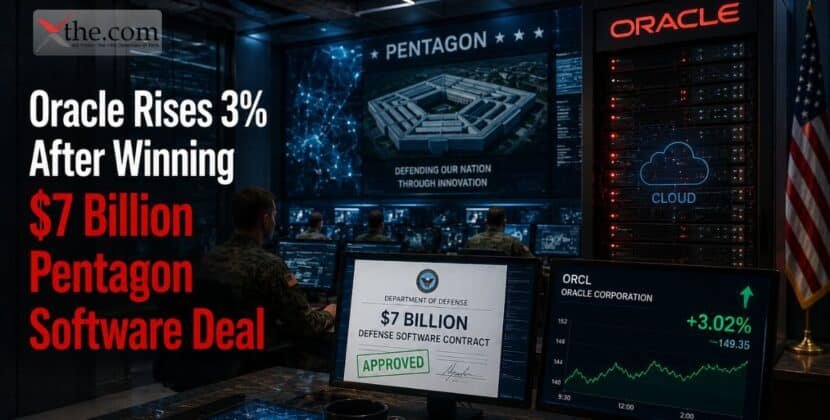
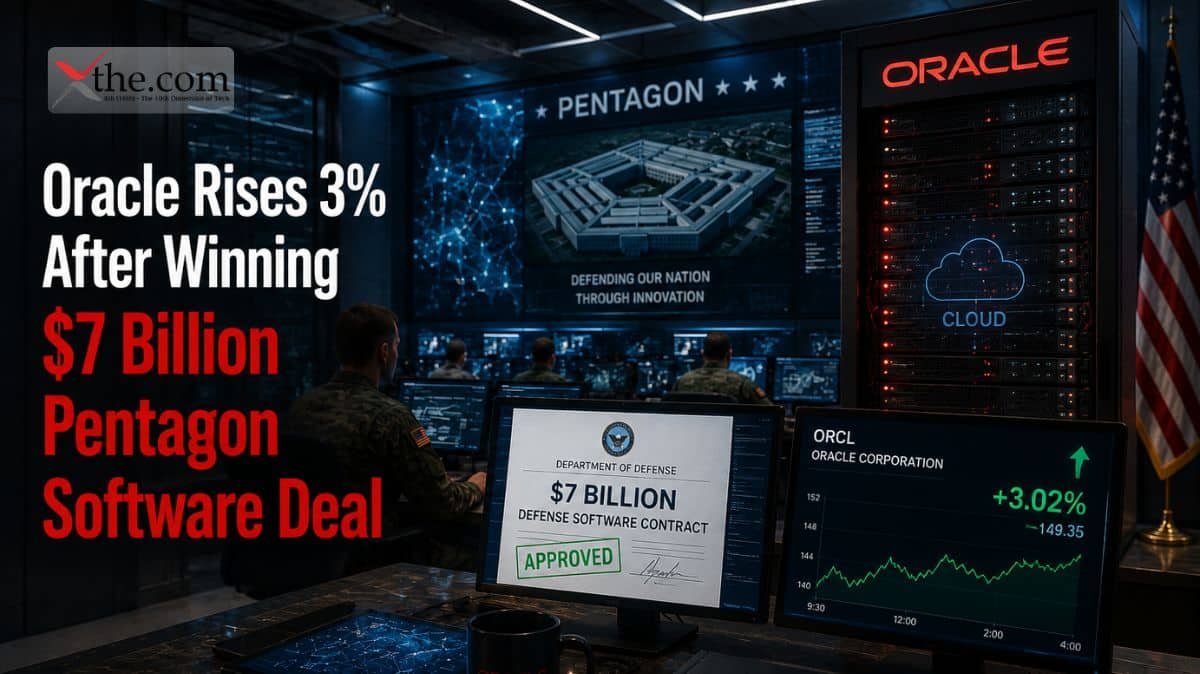
Oracle wins Pentagon contract worth up to $6.99 billion, and the market reacted right away. Shares rose in after-hours trading as investors, who had been worried about Oracle’s AI growth, finally saw something solid to support: a big government deal. This is one of the largest software consolidations awards the Department of Defense has given out this year, and it comes at a time when Oracle needed a boost.
What the Pentagon Actually Bought
The Oracle $7 billion, 10-year Oracle deal is not for just one project. Instead, it is a way for the government to buy Oracle products more easily. The contract, set up under the Department of War’s Enterprise Software Initiative, brings together years of separate Oracle purchases into one main agreement that covers the Army, Navy, Air Force, Coast Guard, and intelligence agencies.
The financial details are important and can be confusing. The deal starts with a base value of $3.31 billion over the first five years. If the Pentagon chooses, a second five-year option could raise the total to just under $7 billion. However, none of this money is guaranteed up front. It is a maximum spending limit, and the Pentagon will only spend as military units order software licenses, maintenance, subscriptions, and Oracle consulting.
This setup is why officials are talking more about savings than revenue. Kirsten Davies, the Department of Defense’s chief information officer, said the new contract should save the government at least $441 million by eliminating duplicative, agency-by-agency negotiations for the same Oracle products. The Pentagon software contract Oracle signed follows the same playbook in the department used in May, when it struck a comparable $9.69 billion deal with Dell Federal Systems to combine Microsoft licensing for the same military branches.
Why Investors Rewarded the News
Oracle stock rises 3 percent is the headline figure, but the underlying story runs deeper than a single day’s trading move. Oracle has supplied software to the Department of Defense since the 1990s, so this deal is less a new relationship than a formalization of one that already exists. What changed is the scale and the visibility. A CIO who has been quietly buying Oracle databases for thirty years now has a single, auditable contract vehicle that Wall Street can point to as evidence Oracle still matters to institutional buyers, not just AI infrastructure speculators.
This Oracle defense software win comes at a key time for Oracle. The stock has dropped about 38% this year, as many doubted whether Oracle’s big spending on AI cloud capacity would pay off before its debts are due. Now, a decade of expected government demand, even if it is just a spending limit and not guaranteed money, gives analysts something solid to point to. This is traditional enterprise software, sold in the usual way, to a customer that sticks with long-term IT deals.
The Government Cloud Battle Behind the Headline
This is where the headlines and the contract details differ a bit, so it’s important to be clear. The agreement covers on-premises software, licenses, maintenance, and Oracle consulting, not a cloud infrastructure project like AWS GovCloud or Microsoft Azure Government. Calling it a cloud win would be an exaggeration. Still, the deal does allow for software-as-a-service purchases along with on-premises licenses, and it helps Oracle’s government cloud business by keeping Oracle inside Pentagon data centers as the department starts moving more work to commercial cloud providers.
This difference is important for investors to think about Oracle Cloud Infrastructure’s place in the market. Amazon Web Services, Microsoft Azure, and Google Cloud all compete hard for big federal contracts, and each has its own government cloud regions for sensitive work. Oracle’s government cloud business is still smaller than these three. This contract does not give Oracle a cloud market share win, but it does keep Oracle relevant inside an agency that will soon decide who gets the first shot at cloud migration spending. Being an established vendor in the Pentagon’s IT systems could matter when that time comes.
A Second Data Point in a Larger Pattern
Oracle is not the only established company gaining from this move to consolidate contracts. The Dell-Microsoft deal in May, and this Oracle agreement shows a pattern: Pentagon leaders are replacing old, scattered software contracts with single master agreements, one vendor at a time. Analysts say that while new AI companies can win pilot projects and cloud providers can add capacity, the long-time enterprise vendors whose software already runs defense operations are not being replaced by modernization. They are the ones making it happen.
That is the bigger story behind Thursday’s headline. Oracle wins $7 billion Pentagon software deal headlines will fade within a news cycle. What persists is a ten-year purchasing relationship that gives Oracle recurring task-order opportunities across every branch of the military, and it provides a government reference that other public-sector buyers, from state governments to allied defense ministries, will notice.
What Comes Next for Oracle
The Department of War expects agencies to start using the new contract this summer. This means the real value of the deal will show up in the task orders placed over the next few quarters, not in Thursday’s stock move. Oracle rises 3 percent; defense contract headlines capture a moment of investor relief, not a final answer about whether Oracle can beat the three big cloud providers for the much larger federal cloud migration spending that is still ahead.
For now, Oracle has done something simpler and maybe even more important: it has reminded the market that decades of trust inside the Pentagon are hard for any new AI or cloud-focused competitor to match quickly. The next contract cycle, when the department moves further into commercial cloud, will show whether that trust turns into cloud revenue or keeps Oracle’s traditional licensing business going for another ten years.
Source: Software giant secures ‘historic’ $7 billion Pentagon agreement