



Due to growing interest in AI-equipped laptops, consumers in the US face a choice between two types of devices for their work: either a MacBook running Apple silicon or a brand-new laptop running an x86 or ARM CPU from Microsoft (PC). The difference between these two types of laptops no longer just concerns the choice of brand, but also how each company has integrated artificial intelligence into its operating system and how that integration affects how users perform their jobs. This is expected to affect the performance and operational efficiency of devices and will also affect how long users can use their devices in the future.
The companies involved in this issue are Apple, Microsoft, and Intel; each has its own methodology for creating hardware/software programs, which will dictate how they move forward with AI computing.
Platform Philosophy: Integrated vs Open Ecosystems
The core difference between MacBook and AI PC lies in their design philosophies. Apple has control over all aspects of the device in terms of both hardware and software, which allows Apple to integrate both far more closely than Windows AI PC’s would be able to do. To achieve optimal functioning, this system integrates its various parts and objects so that all resources used are managed more efficiently.
In contrast, the Microsoft Windows AI PC leverages a complete network of hardware manufacturers who partner with Microsoft to build its overall systems. While manufacturers like Intel supply processors throughout the supply chain (known as chipmakers), Original Equipment Manufacturers (OEMs) design and build ALL of the devices manufactured by their partner companies.
The open ecosystem provides users with multiple options and flexible choices, yet it results in less effective performance than the Apple system, which operates through complete control.
AI Performance: Neural Engine vs NPU
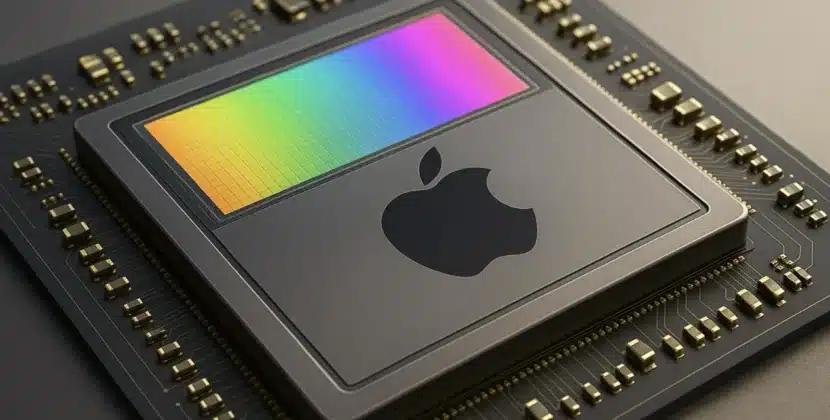
The effectiveness of AI systems has become the primary standard for evaluating contemporary laptop computers. Apple embeds a neural engine in its chip designs to enable on-device AI processing, handling image recognition, natural language processing, and video processing.
Intel and its business partners are developing dedicated NPUs that they will integrate into their processors to support artificial intelligence workloads on their AI PC systems. These NPUs have been developed to meet upcoming needs, including the ability to achieve 40+ TOPS performance.
Both methods produce strong results in artificial intelligence, but their main distinction lies in their optimization procedures. Apple’s tightly controlled ecosystem delivers more consistent application performance for its supported apps than AI PCs, which depend on their hardware and software for performance.
Software Integration and AI Features
Software is the primary factor enabling AI hardware to achieve operational success. Microsoft has incorporated AI across the Windows operating system, including virtual assistants, automation features, and tools that enhance user productivity.
The system needs to use NPUs for its processing tasks because this approach helps minimize its reliance on cloud resources. The success of these functions depends on the available hardware and developer support.
Apple, on the other hand, integrates AI capabilities deeply into its applications and operating system. Apple devices provide users with a unified experience because their features have been designed to work optimally with Apple hardware.
Battery Life and Efficiency
Laptoppers consider their efficiency in working all day requires the most from what they use at work. Battery life from an Apple MacBook has been extended by the power of the chips, but does not sacrifice how the computer works or performs under load.
The development of energy-efficient systems combined with NPU technologies enables both AI PCs and Intel’s AI PCs to reduce power consumption during AI processing.
Apple’s integrated systems still outpace AI PC processors in their ability to perform tasks while providing better battery life than AI PC processors, as the gap continues to narrow.
Hardware Variety and Customization
By offering an extensive array of hardware options, AI PCs provide users with everything they need for optimal performance. You can pick the exact configuration, shape, and price range that fits your unique requirements.
Due to Microsoft’s ecosystem, a wide variety of AI laptops powered by Intel chips are manufactured by different companies, offering a large number of choices.
However, Apple limits its MacBook offerings to only the most efficient and best-designed systems; therefore, while it is it’s easier to decide which system to purchase, it it offers zero flexibility for the end user to modify their system or have an alternative solution available should they wish to do so.
Cost and Long-Term Value
Cost considerations extend beyond the initial purchase price. The assessment of AI laptops requires testing their capacity to handle upcoming software developments and increasing operational demands.
MacBooks usually require higher initial costs, but their deep system integration and ongoing software maintenance lead to longer product lifetimes. The initial cost of AI PCs remains lower than that of other systems, yet their performance and system compatibility will depend on which hardware components users select.
Intel and Microsoft are developing standards that will enable users to understand which technologies will remain usable for extended periods.
Developer and Professional Workflows
Developers and professionals must choose between a MacBook and an AI PC because it will determine their workflow results. MacBooks have become the standard laptop choice for creative professionals and software developers who create applications that work best within Apple’s ecosystem.
AI PCs offer better software compatibility, supporting both modern business applications and legacy systems, making them suitable for corporate environments.
Microsoft has integrated AI into its productivity tools, making AI PCs more appealing to professionals who use them at work, while Apple maintains its dedication to creative work and integrated operational processes.
Privacy and On-Device Processing
The growing importance of privacy rights now affects all aspects of artificial intelligence research. Both platforms are moving toward on-device processing to reduce reliance on cloud services.
Apple has made privacy protection its main product feature by using local processing technology to minimize data collection. Microsoft is also adopting similar strategies, leveraging NPUs to enable secure, local AI processing.
The shift delivers advantages to users through enhancements of both security measures and system performance.
Conclusion: Choosing the Right Platform
The choice between a MacBook and an AI PC requires users to weigh their essential needs, which include system performance, operational flexibility, product ecosystem, and device longevity. MacBooks deliver optimized performance through their integrated systems, while AI PCs enable users to select multiple components and create customized setups.
Apple develops products through its commitment to system integration, while Microsoft and Intel adopt a different strategy that enables their partners to create products through open-ecosystem development. People need to understand these two system differences to make informed decisions.
The current AI-driven transformation of computing requires organizations to choose their platforms based on present demands and their future business needs.
Sources: PRESS RELEASE Tim Cook to become Apple Executive Chairman John Ternus to become Apple CEO