



Frankfurt, Germany | Dateline: Tuesday, July 28, 2026
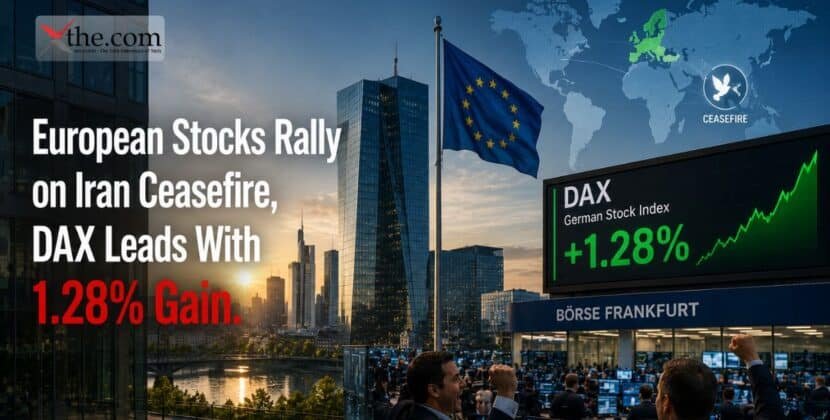
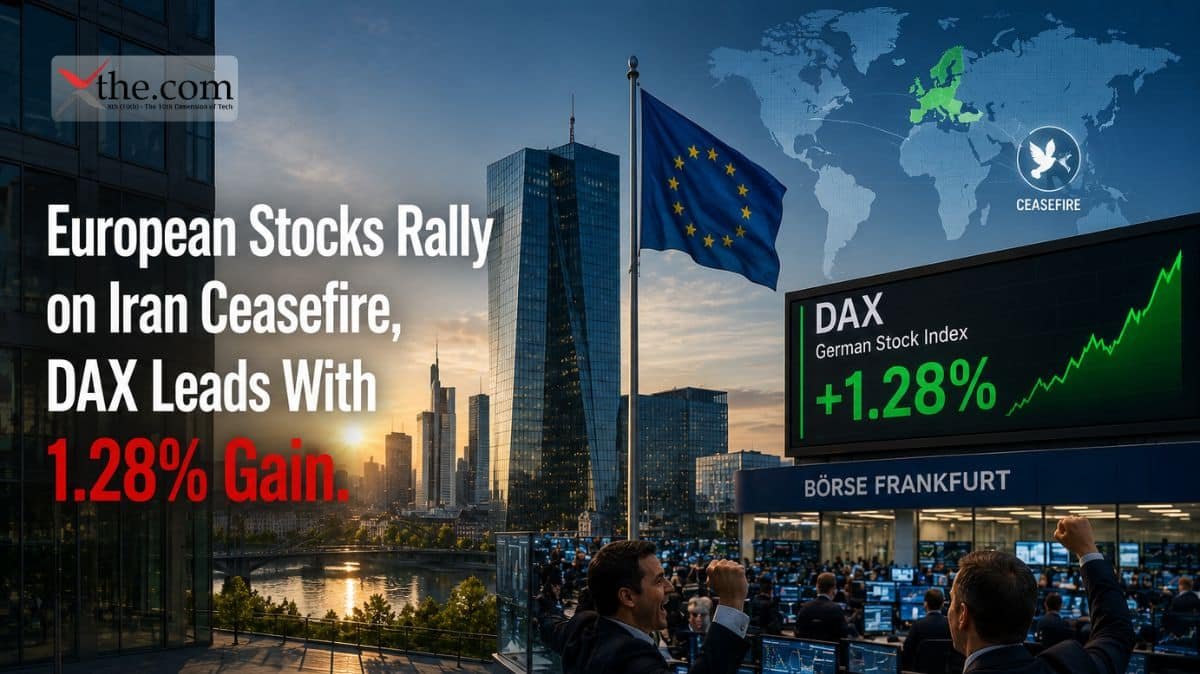
One weekend headline quickly changed the mood after days of nervous trading across Europe. Investors who had spent most of July worried about more conflict in the Middle East instead woke up Monday to news of a pause in fighting between the United States and Iran, and they responded the way markets usually do when the worst-case scenario doesn’t materialize, they bought. The result was a broad European stocks rally Iran pause that swept from Frankfurt to Milan, with every major regional index rising and oil-sensitive sectors also gaining.
A Relief Rally Rooted in De-Escalation
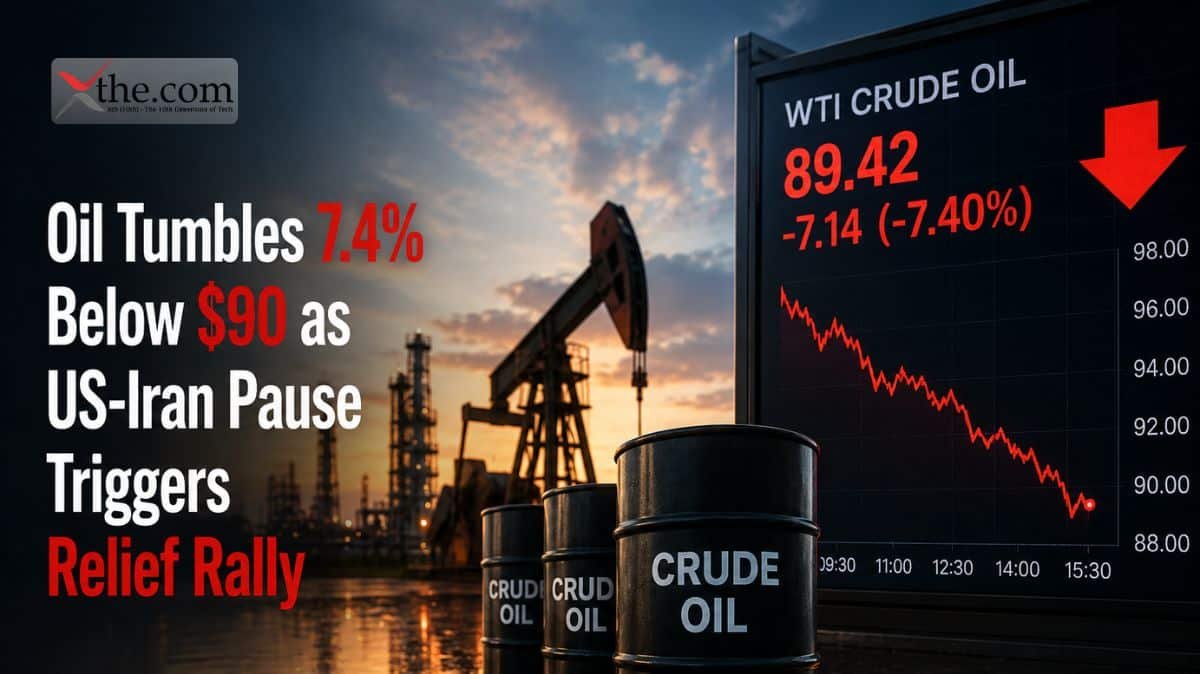
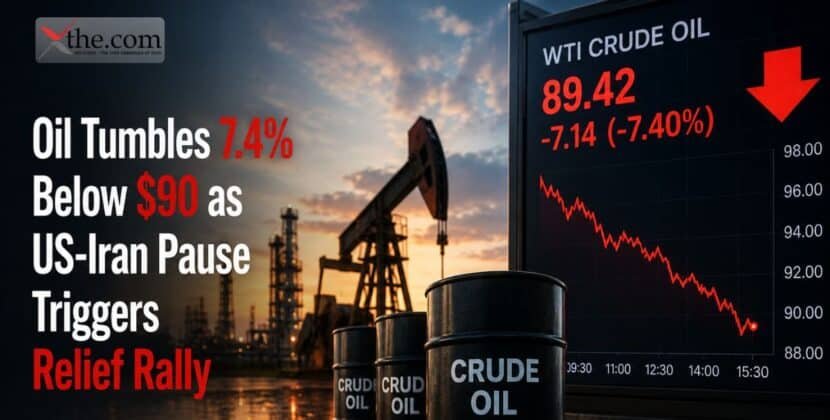
Traders do not need a full resolution to feel more confident. What matters most is that tensions do not get worse, and that is what happened. The weekend pause in US-Iran hostilities did not solve the conflict, but it removed the immediate risk of a wider war that could disrupt the Strait of Hormuz and global energy supplies. Oil prices fell as a result, which was enough to improve the trader’s sentiment for the new trading week.
The DAX’s 1.28 percent gain in Frankfurt was the clearest sign of this change. Germany’s export-focused index often reacts strongly to political risks because of its ties to global manufacturing and energy costs. On Monday, it saw its biggest single day jump in weeks. Industrial and chemical companies, which are especially sensitive to energy prices, led the way investors saw less risk of a long-lasting oil price shock.
German DAX Frankfurt Monday: Reading the Numbers
The German DAX Frankfurt Monday session opened higher on Monday and kept its gains until the market closed. Strategists saw this as a sign of real confidence, not just a quick reaction. Unlike some of the sharp swings seen earlier this year, Monday’s rise was steady and did not fade. This kind of rally often attracts more institutional investors, not just fast-moving traders reacting to news.
It is important to put this number in context. A gain of more than one percent on a major European index does not happen every day. Usually, it takes strong earnings or a big surprise in the economy. On Monday, there was no major earnings news. The move was driven almost entirely by improved sentiment, showing how much geopolitical risk had been holding back the DAX in recent sessions.
France and Italy Join the Advance
Frankfurt was not the only market moving higher. The gains in the CAC, FTSE MIB on Monday showed that the rally was continental in scope, not a German-specific phenomenon tied to any single domestic catalyst. In Paris, the French CAC 40 up 0.70 percent, with the biggest gains in luxury goods, industrials, and financials. These sectors had struggled during the worst of the Iran-related uncertainty and were ready to rebound once the pressure eased.
Milan saw a similar trend. The Italian FTSE MIB rose by a modest but still significant 0.54 percent. While this was less than the gains in Frankfurt and Paris, it was still a clear positive. Italian banks, which make up a large part of the FTSE MIB, also benefited from the improved risk appetite, even though there was no specific local news driving the move.
FTSE 100 Advances 0.66 Percent as London Joins In
Across the Channel, the FTSE 100 advances 0.66 percent, placing London’s benchmark comfortably in the middle of the pack, ahead of Milan but behind both Frankfurt and Paris. The FTSE 100’s heavy weighting toward energy majors typically makes it a laggard during oil-price relief rallies, since falling crude prices can pressure the earnings outlook for companies like Shell and BP even as the wider market cheers reduced geopolitical risk. That the index still managed a solid advance speaks to how widespread Monday’s buying was across sectors apart from energy.
Why the Rally Tracked US Markets So Closely
This wasn’t just a European story. The same positive sentiment was also lifting Wall Street, with US futures rising before European markets opened. When European and American markets move together because of a geopolitical event, it shows the issue is global, not just regional. Energy traders, currency desks, and equity investors were all focused on the same key question: whether the Strait of Hormuz, which handles one-fifth of global oil flows, would stay open.
Financial media used similar headlines on Monday, such as “European stocks rally DAX 1.28 percent,” to show both the size and cause of the move. News services and data providers reported almost the same numbers for the DAX, CAC, FTSE, and FTSE MIB. This consistency showed that the rally was driven by one main factor, not a mix of different local events.
What Comes Next for European Equities
The big question now is whether these gains will last. Relief rallies that happen because bad news is avoided, rather than because of good news, are often fragile. If the pause in fighting continues, strategists think the gains will likely hold steady instead of rising much more, and attention will shift back to earnings and central bank decisions. If fighting starts again, Monday’s gains could disappear just as quickly. News coverage calling it a “CAC FTSE MIB advance Iran pause” captured this uncertainty well. The rally is real, but it depends on a geopolitical situation that could change at any time.
For now, portfolio managers in Frankfurt, Paris, London, and Milan see Monday’s session as a real, broad-based rally, not just a random jump. Trading volumes were strong, gains were spread throughout different sectors, and the rally lasted until the market closed. Whether this is a lasting turning point or just a short break in a period of volatility will depend on what happens next in the Middle East, which is beyond the control of investors. What is clear is that, at least for one day, European investors decided to be optimistic.
Source: European stocks rally on easing Iran tensions, oil decline