





CLEVELAND, Ohio | July 28, 2026
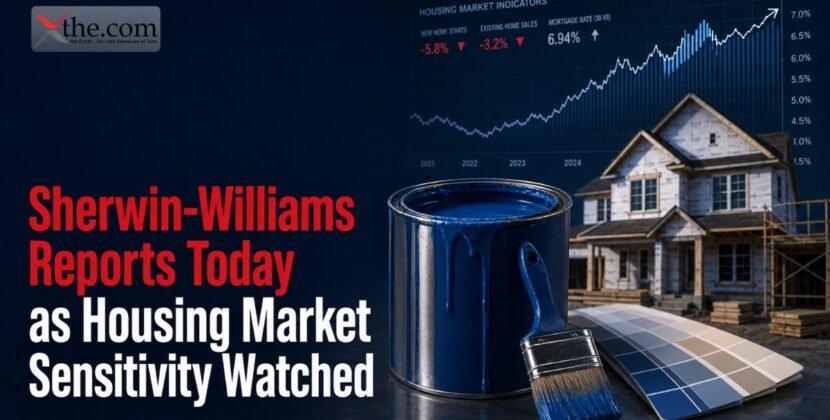
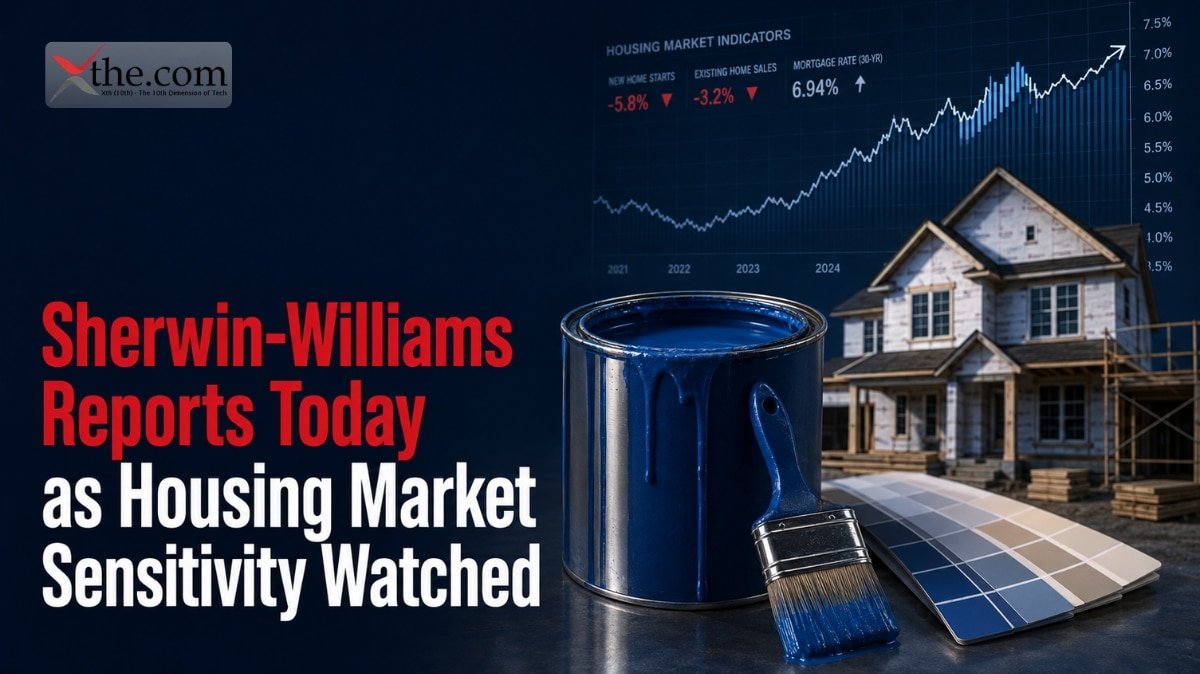
The U.S. housing market has struggled under elevated mortgage rates for much of 2026, slowing home sales, delaying remodeling projects, and forcing manufacturers tied to construction to navigate weaker demand. That backdrop places Sherwin-Williams earnings today under intense scrutiny as investors look beyond headline revenue and focus on whether paint coatings housing sensitivity is beginning to stabilize. The company’s SHW Q2 2026 results could provide one of the clearest signals yet about residential repaint activity, contractor demand, and the broader health of America’s housing sector.
Sherwin-Williams Earnings Today Could Reveal Housing Market Direction
Sherwin-Williams remains different from many other industrial companies because it is involved in residential construction, commercial development, and home improvement. Each gallon of paint sold shows choices made by homeowners, contractors, builders, or property owners. That makes Sherwin-Williams’ earnings today an important barometer for Wall Street.
Analysts want to know if demand stayed strong even though high mortgage rates have slowed existing home sales this year. In some areas, new home construction has held up, but fewer existing homes are selling, which means fewer repainting projects usually happen when people buy homes.
Because of this, what the company says about customer behavior may be more important than the actual numbers. Investors are looking for management’s view on how customers are acting, not just whether earnings were higher or lower than expected.
Understanding Paint Coatings Housing Sensitivity
Paint coatings housing sensitivity is about more than just new home construction numbers. Paint demand responds to several housing trends at the same time.
When existing homes are sold, buyers often repaint before moving in. Renovation projects mean more business for contractors and painters. New home construction creates demand from builders, and commercial real estate leads to bigger orders for architectural coatings.
When mortgage rates are high, many homeowners delay moving, so there are fewer repainting projects. Some people choose to do small renovations instead, which helps balance out the drop in construction demand. Sherwin-Williams’ quarterly reports help investors see which of these trends is most important right now.
That’s why paint makers often signal changes in the housing market before those trends show up in the wider economy.
Why SHW Q2 2026 Results Matter Beyond Wall Street
The SHW Q2 2026 results matter to more than just shareholders.
Banks watch housing-related industries for early signs of consumer confidence. Homebuilders look at supplier demand to judge the market’s strength. Retail investors compare Sherwin-Williams’ results with those of home improvement stores and building product companies to spot bigger business trends.
If management says contractor activity was stronger than expected, even with slow home sales, the market may see this as a sign that homeowners are still investing in their current homes instead of buying new ones.
On the other hand, if residential sales are weak, it could confirm worries that considerable borrowing costs are still holding back spending on housing in many industries.
Sherwin-Williams Residential Demand Watch Remains the Central Question
The Sherwin-Williams residential demand watch is probably the most closely watched metric.
Professional painters often notice changes in customer activity before government housing reports do. Because Sherwin-Williams works closely with many contractors, the company gets detailed insight into demand in different regions.
Executives are expected to talk about whether repaint activity got better, stayed the same, or slowed down in the second quarter. Investors also want to hear about seasonal buying trends, contractor orders, and homeowner renovation budgets.
If management says that demand for residential repainting has leveled off, even with higher borrowing costs, the market may see this as a positive sign for a housing recovery.
That’s why the Sherwin-Williams residential demand watch is one of the most closely followed parts of the earnings call.
Paint as a Housing Market Indicator Paint Investors Follow Closely
Many economists consider paint demand a reliable housing market indicator paint because it captures both new construction and renovation activity.
Unlike building materials that mostly depend on new home construction, paint is used for many reasons throughout a property’s life. Homeowners repaint for maintenance, remodeling, getting ready to sell, or to update the look.
Because of this, paint demand frequently holds up better than other construction products when the housing market slows down.
However, if paint sales stay weak, it may mean people are putting off even small maintenance projects. This usually shows that consumers are becoming more cautious and less confident about the economy.
This makes the housing market indicator paint narrative highly valuable during uncertain interest-rate environments.
Coatings Sector Earnings Indicate Wider Economic Conditions
Investors don’t look at Sherwin-Williams alone. They compare its results with those of competitors and other suppliers during the ongoing coatings sector earnings season.
Together, earnings from coatings companies give insight into manufacturing, commercial construction, infrastructure spending, and housing trends.
Demand for commercial coatings may stay strong because of industrial maintenance and infrastructure projects, even if the residential market slows down. This variety often helps Sherwin-Williams get through times when housing is weak.
What management says about the rest of 2026 will shape expectations for the whole coatings industry.
Focus on the Long-Term Housing Outlook
Today’s earnings report comes as economists are still debating if housing activity can bounce back before mortgage rates drop significantly.
Builders are offering incentives to attract buyers, but many homeowners don’t want to sell homes with low mortgage rates. This means there are fewer homes for sale and less repainting that usually happens when homes change hands.
Given this situation, the search phrase “Sherwin-Williams reports today’s housing sensitivity” sums up what the market is most concerned about. Investors are looking for signs that residential demand is steadying, not getting worse.
Another key topic is the “SHW Q2 2026 residential demand watch,” especially when it comes to contractor activity and how different regions are performing.
If management reports higher repaint volumes, more contractor orders, or stronger commercial demand than expected, the market may see this as an early sign that housing-related spending is starting to stabilize.
Outlook
Sherwin-Williams plays a special role in the U.S. economy because its earnings reports tie together manufacturing, housing, consumer confidence, and commercial construction. Today’s earnings are more than just another update. Investors will look closely at paint coatings housing sensitivity, review the SHW Q2 2026 results, watch the residential demand numbers, consider paint’s role as a housing market indicator, and compare results across the coatings sector. Whether management feels optimistic or cautious, what they say today will probably shape expectations for the housing market and construction industries for the rest of 2026.
Source: Sherwin Williams (SHW) In Focus As Bullish Earnings Views Meet Undervalued Narrative