




Washington, D.C. | July 30, 2026
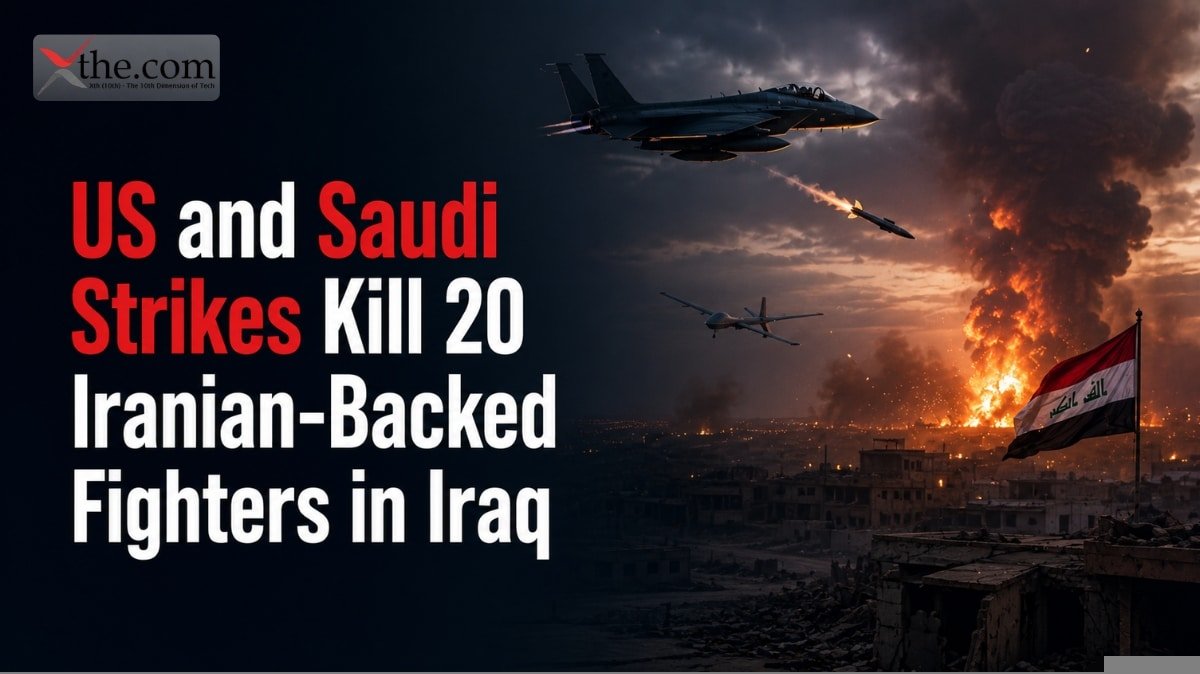
The recent military escalation in the Middle East has increased uncertainty for global markets already struggling with inflation risks and volatile energy prices. US Saudi strikes in Iraq, which U.S. military officials said were carried out jointly with Saudi Arabia, reportedly killed at least 20 members of Iran-backed militias. This marks one of the most major joint actions between Washington and Riyadh in recent months. Reuters and other news outlets said the strikes targeted militia positions linked to Iran after a series of attacks on U.S. personnel and Saudi interests in the region. (Reuters)
The operation quickly raised concerns that the conflict between Iran and its regional rivals could spread, putting vital oil infrastructure and shipping routes at risk. It also puts pressure on policymakers already grappling with the effects of higher energy prices on inflation.
U.S.-Saudi Strikes in Iraq Signal a Wider Military Strategy.
U.S. military officials said the joint US Saudi Arabia operation targeted facilities used by Iran-backed armed groups in eastern Iraq. The strikes aimed to weaken militias that Washington says have launched missile and drone attacks on American forces and Saudi infrastructure in recent days. (Reuters)
Early reports say the Iranian-backed fighters killed in the operation were part of Iraq’s Popular Mobilization Forces (PMF), which includes several groups aligned with Tehran. Militia representatives reported at least 20 deaths, but these numbers have not been independently verified. Iraqi officials criticized the strikes as a violation of national sovereignty, pointing to the tough political balance Baghdad faces between its partnerships with the United States and its close relationship with Iran. (AP News)
Tactical Significance of the joint US-Saudi Arabia operation
The joint US-Saudi Arabia operation demonstrates growing military coordination between Washington and Riyadh as both governments respond to an expanding network of regional security threats.
For the United States, these strikes show its resolve to protect military personnel in Iraq and nearby countries. For Saudi Arabia, the operation indicates rising worries about repeated drone and missile attacks on its energy infrastructure and shipping.
Military analysts say these coordinated operations have several goals. Besides weakening militia groups, they send a clear message that attacks on U.S. or Saudi targets will lead to a joint response. However, these actions could also cause more retaliation from Iranian-backed groups in Iraq, Syria, Lebanon, and Yemen. (Reuters)
US military Iraq strikes 2026 Add Pressure to Global Energy Markets.
The US military Iraq strikes 2026 arrive at a particularly sensitive time for global financial markets.
Oil traders are watching every development involving Iran and the Strait of Hormuz, a key shipping route for about one-fifth of the world’s traded crude oil. Any threat to shipping or energy infrastructure in the region has usually led to higher oil prices and more market fluctuation.
Reuters reported that the latest escalation caused another jump in oil prices as investors acted to higher geopolitical risks. Higher oil prices often increase transportation and manufacturing costs, which may cause higher inflation that central banks must consider when setting interest rates. (Reuters)
For Federal Reserve officials, ongoing increases in energy costs could make it harder to keep inflation on track with extended objectives. While policymakers usually treat short-term energy shocks differently from overall inflation, long-lasting geopolitical problems can eventually affect consumer prices.
Understanding the Iraq military strike report
The latest Iraq military strike report reflects an ever more interconnected regional conflict rather than an isolated military event.
Over the past few years, Iran-backed militias have expanded their activities, attacking U.S. military bases, coalition partners, and regional infrastructure. Washington has often said these groups get financial, logistical, or military help from Tehran, but Iranian officials have always denied this.
The PMF has a complicated role in Iraq. Many of its groups operate within the Iraqi security system, but some maintain their own command structures and have close ties to Iran. This combined role often puts Baghdad in a tough spot diplomatically when foreign militaries target militia sites. (Reuters)
Middle East conflict escalation Raises Diplomatic Stakes.
The latest Middle East conflict escalation goes beyond Iraq.
In recent days, there have been attacks on military bases, commercial ships, and important energy infrastructure in several countries. Regional governments are urging restraint but are also preparing for further military action if the attacks continue.
Diplomatic attempts have made little progress, as both sides blame each other for starting the latest conflict. This uncertainty has affected not just regional security planning but also investor faith in global stock, commodity, and currency markets. (Reuters)
Why US-Saudi Arabia joint strikes Iraq Matter
The phrase “US Saudi Arabia joint strikes Iraq” will likely become a key reference in talks about the changing security situation in the Middle East.
Unlike earlier solo actions, this joint operation shows that Washington and Riyadh are working more closely together amid rising instability in the region. Defense analysts say future operations could include more intelligence sharing, joint missile defense, and expanded maritime security efforts.
It remains unclear whether this operation will stop future militia attacks or lead to further retaliation. The outcome will depend on how Iran responds, on Iraq’s internal politics, and on ongoing diplomatic efforts with regional and international players.
The reported “Iran-backed forces killed Iraq 2026” operation also shows how local military actions can have global economic effects. As long as tensions threaten oil supplies and shipping, investors, policymakers, and central banks will keep a close watch for signs that the conflict might calm or worsen. (Reuters)
Source: Saudi Arabia joins US in strikes on Iran-backed militias in Iraq