





Introduction
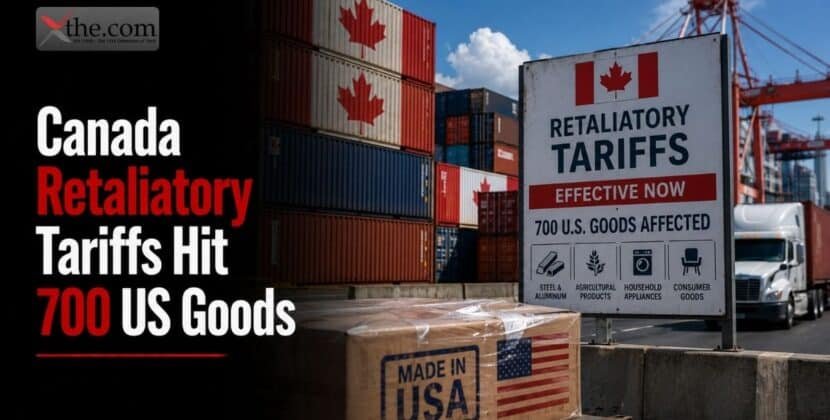
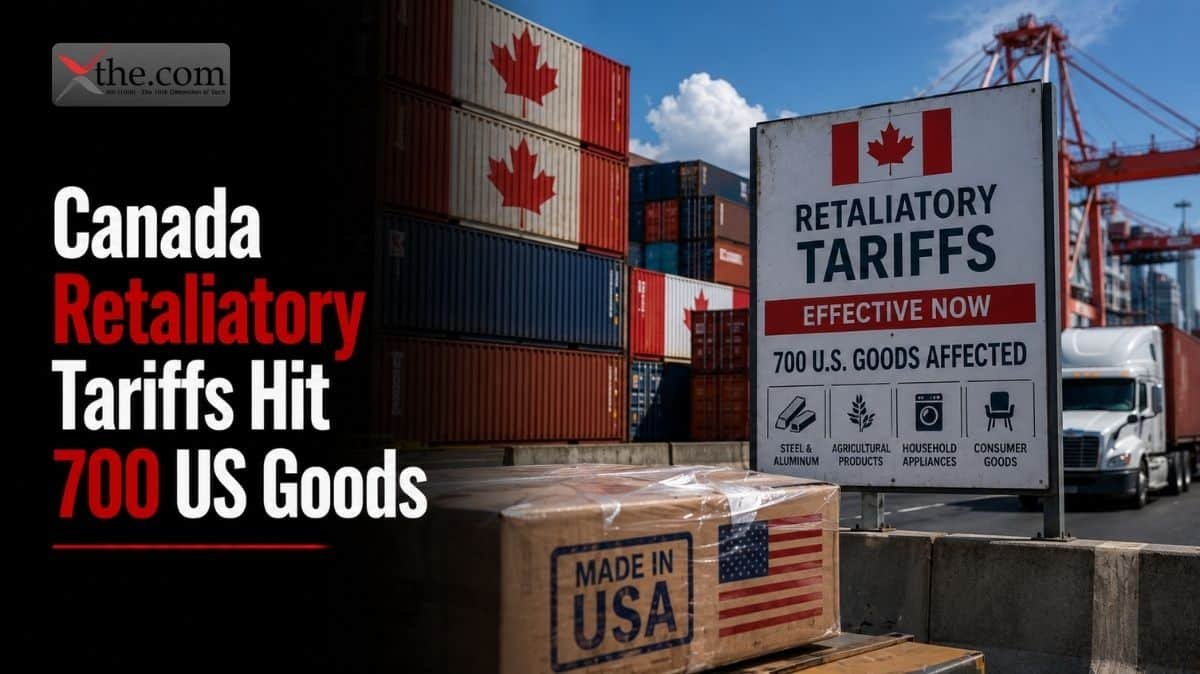
Canada announced it will impose retaliatory tariffs on over 700 American goods starting September 8 2026 in an effort to match U.S. tariffs dollar for dollar. The tariffs ranging from 15 to 50 percent will affect a wide range of everyday products including seafood cheese clothing cosmetics and toilet paper.
The announcement marks a significant escalation in the ongoing trade war between the United States and its northern neighbor. The new Canadian tariffs are designed to pressure the Trump administration to reverse its trade policies which Canadian officials say are unfairly targeting Canadian industries and workers.
What Canada Is Tariffing
The Canadian tariffs extend well beyond the industrial goods that have traditionally been the focus of trade disputes. The new measures target consumer products that American families use every day making the trade war personally felt by millions of U.S. households.
Seafood from New England states will face tariffs of up to 50 percent while Wisconsin cheese and other dairy products will see tariffs ranging from 25 to 40 percent. Clothing brands cosmetics and household items including toilet paper will be subject to tariffs of 15 to 30 percent.
The Background
The trade dispute between the U.S. and Canada has been building for years. President Trump imposed sweeping tariffs on Canadian goods including a 25 percent tariff on most imports citing concerns about trade imbalances and border security. Canada has responded with its own tariffs but the latest escalation is the most significant yet.
Canadian Prime Minister has characterized the U.S. tariffs as an attack on Canadian sovereignty and economic independence. The retaliatory tariffs are designed to inflict maximum political pressure on American producers particularly in states that are politically important to the administration.
Impact on American Consumers
The Canadian tariffs will directly affect American consumers who will see higher prices on a wide range of products. According to CNN the tariffs could increase the cost of everyday goods by 10 to 50 percent depending on the product category.
New England seafood producers who export significant quantities of lobster and crab to Canada will be hit particularly hard. The fishing industry in states like Maine Massachusetts and Rhode Island has already been struggling with rising costs and the new tariffs could push some smaller operations out of business.
The dairy industry is another major target. Wisconsin and Vermont dairy farmers who depend on the Canadian market for a significant portion of their exports could face devastating losses as the tariffs make their products uncompetitive in Canada.
Impact on American Businesses
American businesses that export to Canada are bracing for significant disruptions. The tariffs will affect companies across multiple sectors from agriculture to manufacturing to consumer goods. Many businesses have been caught in the crossfire of the trade war without any clear path forward.
The National Association of Manufacturers has warned that the escalating trade war is creating uncertainty that is paralyzing business investment and hiring decisions. Companies are struggling to plan for the future when the rules of trade can change at any moment.
The Broader Trade War
The U.S.-Canada trade dispute is part of a broader pattern of trade conflicts initiated by the Trump administration. Tariffs have been imposed on goods from China Mexico the European Union and dozens of other countries and trading partners have responded with their own retaliatory measures.
According to the Atlantic Council Trump has used the International Emergency Economic Powers Act to impose tariffs on goods from multiple countries. The scope of the tariffs is unprecedented in modern American trade policy and their impact on the global economy continues to grow.
What Happens Next
Both countries show no signs of backing down. The Trump administration has dismissed Canadas retaliatory tariffs as unjustified and has threatened further measures. Canada has indicated that it is prepared to escalate further if the U.S. does not negotiate in good faith.
Economists warn that the escalating trade war could push both countries into recession. The combined effect of U.S. and Canadian tariffs is creating a drag on economic growth that could be difficult to reverse even if the political will for a deal emerges.
For now American consumers and businesses are left to absorb the costs of a trade war that shows no signs of ending. The September 8 implementation of Canadas new tariffs will mark the next major escalation point and all eyes will be on whether diplomacy can prevail over politics.
Sources
- PBS: https://www.pbs.org/newshour/world/watch-live-canada-announces-retaliatory-tariffs-against-the-u-s
- Atlantic Council: https://www.atlanticcouncil.org/programs/geoeconomics-center/trump-tariff-tracker/
- Financial Times: https://www.ft.com/trump-tariffs
Regional Economic Effects
The tariffs will have disproportionate effects on different regions of the United States. Border states like Michigan New York and Washington that have deeply integrated economies with Canada will face the most immediate and severe consequences. Cross-border supply chains that have been built over decades could be disrupted overnight.
The auto industry which relies heavily on parts and materials crossing the U.S.-Canada border could see significant cost increases. Michigan automakers have warned that tariffs on Canadian auto parts could add thousands of dollars to the cost of each vehicle sold in the United States.
Political Implications
The trade war with Canada has become a politically sensitive issue in several key states. Wisconsin dairy farmers New England fishermen and Michigan auto workers are all directly affected by the tariffs and their frustration could have political consequences in upcoming elections.
Both Democrats and Republicans have expressed concern about the impact of the trade war on their constituents. However the political dynamics make it difficult for either party to push for a resolution as both sides seek to appear tough on trade while minimizing domestic economic pain.
Global Trade Implications
The U.S.-Canada trade war is being closely watched by other countries that are also subject to U.S. tariffs. The outcome of this dispute could set precedents for how other nations respond to American trade policies and whether retaliatory tariffs prove effective as a negotiating tool.
International trade organizations have warned that the escalating cycle of tariffs and retaliatory measures threatens the rules-based trading system that has governed global commerce for decades. If major economies like the U.S. and Canada cannot resolve their disputes through negotiation it could embolden other countries to adopt similar protectionist measures.
The Path Forward
Resolving the U.S.-Canada trade dispute will require political will on both sides. Trade experts say a comprehensive agreement that addresses the underlying issues while providing relief for affected industries is possible but will require concessions that neither side has been willing to make so far.
Until then American consumers businesses and workers will continue to bear the costs of a trade war that has already caused significant economic damage. The September 8 implementation of Canadas new tariffs represents the next critical moment in this ongoing saga and the world will be watching to see what happens next.