





Introduction
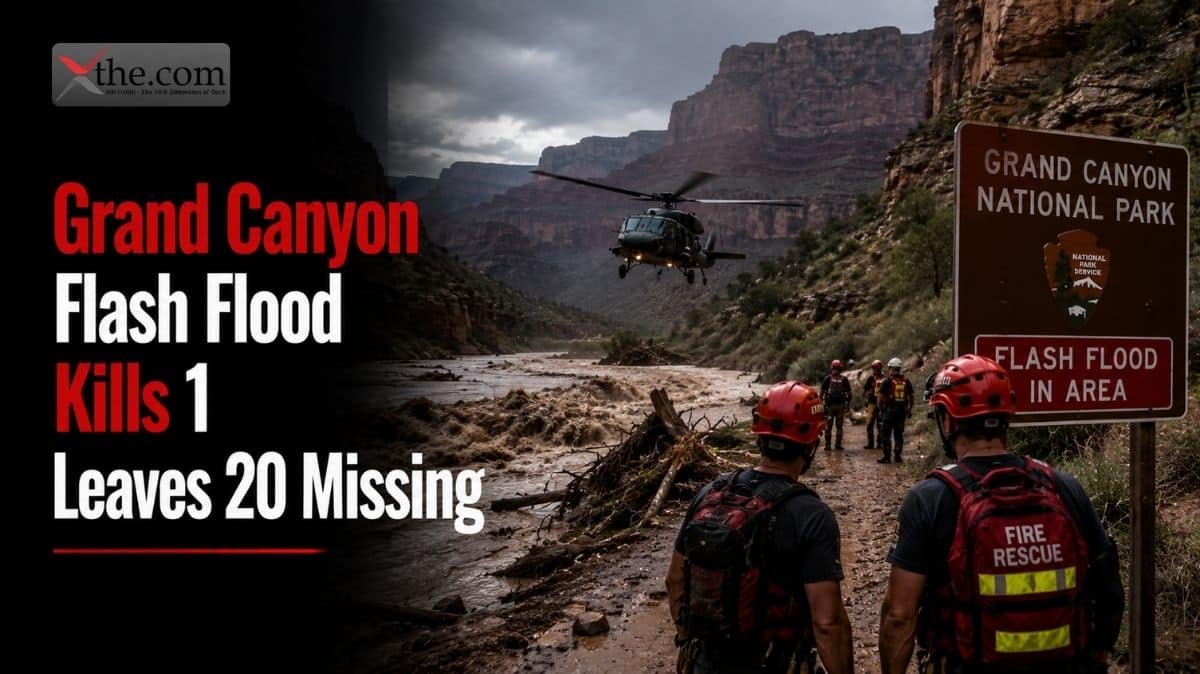
A catastrophic flash flood tore through the Grand Canyon on Saturday August 30 2026 leaving at least one person dead and more than 20 people missing or unaccounted for according to the National Park Service.
The floodwaters surged without warning through narrow canyon corridors turning peaceful hiking trails into raging torrents of muddy water debris and rock. Rescue helicopters were deployed immediately as park rangers and emergency crews scrambled to reach stranded visitors in areas completely cut off by the flooding.
What Happened at the Grand Canyon
The flash flood began on Saturday afternoon when a powerful monsoon storm dumped an extraordinary amount of rain over the upper reaches of Bright Angel Canyon. The water funneled through narrow slot canyons and channeled downstream with tremendous force sweeping away everything in its path.
The National Park Service issued an emergency evacuation order and closed multiple trails including the Bright Angel Trail and portions of the North Kaibab Trail. Sixty-two people were evacuated from Phantom Ranch the popular backcountry lodge located at the bottom of the canyon.
According to NBC News one woman was found deceased and the death toll could rise as rescue teams continue to search for missing individuals. The park service initially reported 20 people missing but revised that number down to approximately 15 on Sunday morning.
Search and Rescue Operations
The Grand Canyon National Park Search and Rescue team was activated within hours of the flood along with support from the Coconino County Sheriffs Office and Arizona Department of Public Safety.
Rescue operations are being complicated by several factors. First the flood destroyed key footbridges along the Bright Angel Trail. Second the narrow canyon walls limit helicopter landing zones. Third many missing hikers were in remote sections with no cell phone service.
CBS News reported that some hikers described watching the creek rise from ankle-deep to chest-deep in a matter of minutes. Several groups were forced to climb to higher rock formations and wait for rescue.
Infrastructure Damage
The flash flood caused significant infrastructure damage throughout the Bright Angel Canyon area. Multiple footbridges were completely destroyed and trail sections were washed away leaving deep gashes in the landscape.
Phantom Ranch the beloved backcountry lodge that has served visitors since 1922 sustained damage though the extent was not immediately clear. The Bright Angel Trail suffered severe erosion in several sections. Park officials said it could be weeks or months before certain trails are safe for public use.
The Dangers of Flash Floods
Flash floods are among the most dangerous natural hazards in the Grand Canyon particularly during the summer monsoon season which typically runs from July through September. The canyons narrow side canyons act as natural funnels concentrating rainfall into powerful walls of water.
The National Weather Service had issued a flash flood watch but the intensity of the storm exceeded forecasts. Meteorologists said the storm dumped more than two inches of rain in less than an hour over the Bright Angel drainage which is more than enough to trigger a major flood event.
According to the US Geological Survey flash floods in the Grand Canyon can reach speeds of more than 30 miles per hour and carry debris including rocks logs and sediment that can cause fatal injuries.
Climate Change and Extreme Weather
The Grand Canyon flash flood is the latest in a series of extreme weather events that have struck the American West in recent years. Scientists have linked the increasing frequency and intensity of such events to climate change which is making monsoon storms more unpredictable and more powerful.
The Southwest United States has experienced a multi-decade megadrought that has dried out soils and vegetation making the landscape more susceptible to flash flooding when rain does arrive. Without vegetation to absorb rainfall water runs off quickly into canyons and streambeds creating catastrophic conditions.
Climate scientists at NOAA have warned that the monsoon season in the Southwest is becoming more erratic with longer dry spells punctuated by more intense rainfall events. This pattern is expected to continue as global temperatures rise putting popular outdoor destinations at increasing risk.
Safety Tips for Grand Canyon Visitors
The National Park Service urges all visitors to take flash flood warnings seriously. Always check the weather forecast before entering the canyon and be prepared to cancel plans if flash flood watches are issued. Avoid hiking in narrow slot canyons or along creek beds when rain is forecast.
If you are caught in a flash flood move to higher ground immediately. Do not attempt to cross flowing water as even shallow fast-moving water can sweep a person off their feet. Carry emergency supplies including a whistle flashlight and extra water whenever you hike in the backcountry.
What Happens Next
Search and rescue operations at the Grand Canyon are expected to continue for several days as rescue teams work to locate and evacuate remaining missing individuals. The National Park Service has closed all inner canyon trails indefinitely.
Governor Katie Hobbs issued a statement expressing condolences to the families of those affected and pledging the full resources of the state to support rescue operations. The Federal Emergency Management Agency has also been contacted and FEMA officials are monitoring the situation.
The incident is a sobering reminder of the raw power of nature and the importance of preparedness when visiting Americas most treasured wild places. As the Grand Canyon community rallies to support those affected the hope remains that more of the missing will be found alive.
Sources
- NBC News: https://www.nbcnews.com/news/us-news/20-missing-grand-canyon-extreme-flash-flooding-rcna595197
- Outside Online: https://www.outsideonline.com/uncategorized/the-grand-canyon-was-rocked-by-a-flash-flood-more-than-20-hikers-are-missing/
- Arizona Family: https://www.azfamily.com/2026/08/30/dozens-people-rescued-grand-canyon-trails-after-flash-flooding/
The Grand Canyon attracts more than six million visitors each year making it one of the most visited national parks in the United States. The park generates hundreds of millions of dollars in tourism revenue for the local economy and supports thousands of jobs in the surrounding communities of Tusayan Flagstaff and the Havasupai Reservation.
Emergency management experts say that the Grand Canyon flash flood underscores the need for better early warning systems in national parks. Currently the National Weather Service relies on a network of rain gauges and weather stations to issue flash flood warnings but coverage in remote canyon areas remains limited.
The Arizona Department of Emergency and Military Affairs has deployed additional resources to support the response including swift water rescue teams and communication specialists. The Hopi Tribe and Havasupai Tribe have also offered assistance as their lands border the affected areas.