





Millions of Americans Are Losing Health Insurance as Crisis Deepens Across the Country
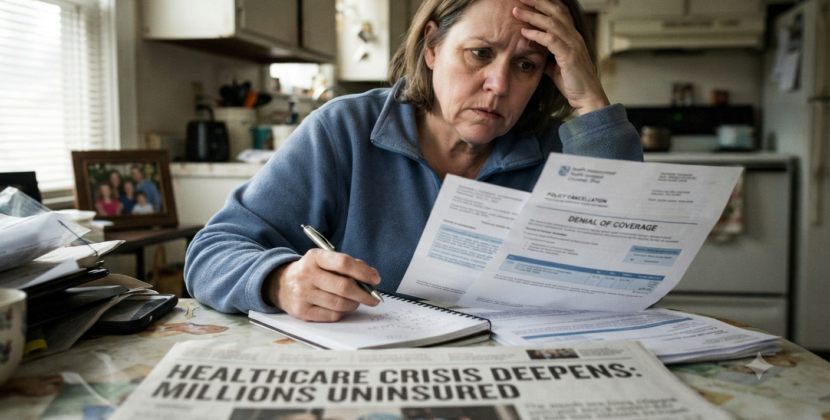
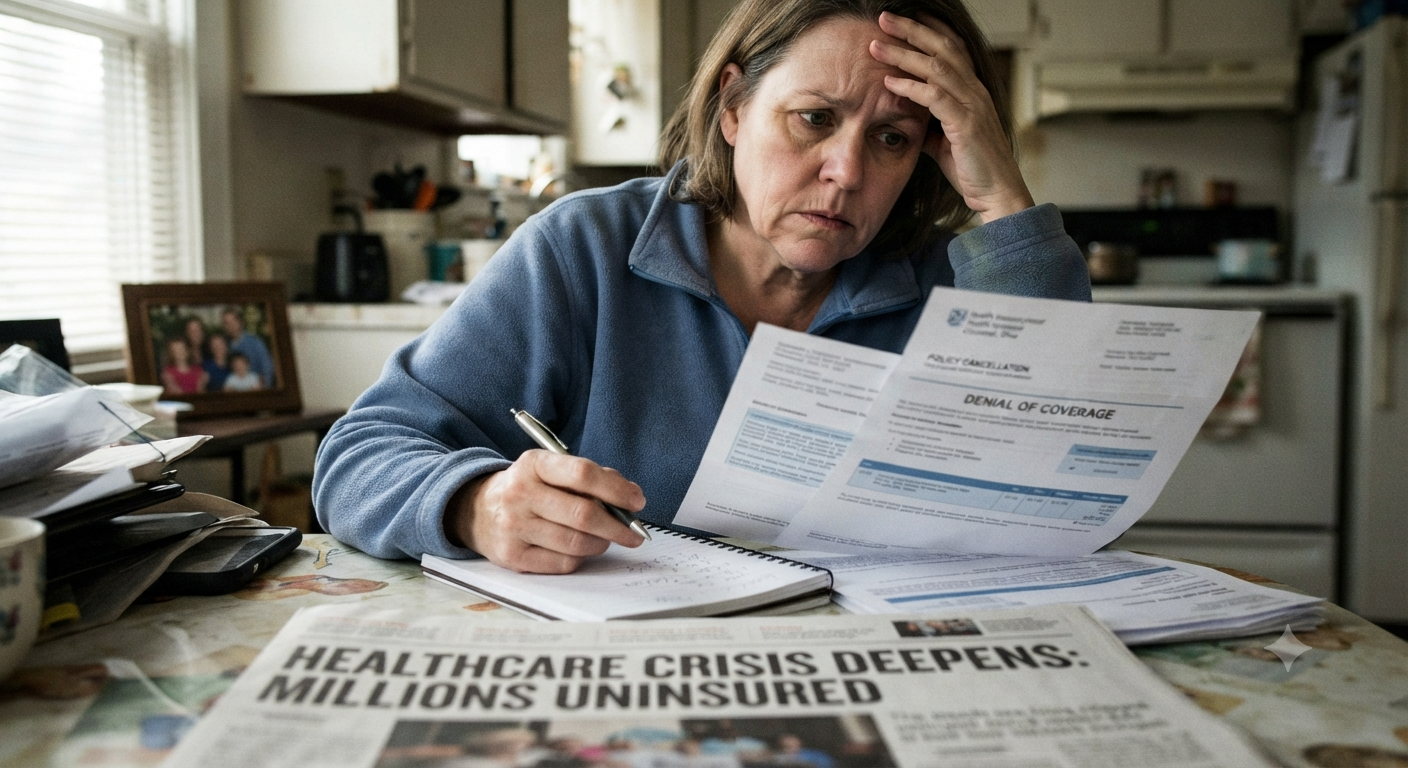
A growing health insurance crisis is gripping the United States as millions of Americans lose their coverage amid soaring premiums, expiring government subsidies, and policy changes that have reshaped the Affordable Care Act marketplace. According to a report published by Time magazine and data from the Congressional Budget Office, an estimated 16 million more people could be uninsured by 2034 if current trends continue.
The Numbers Are Staggering
The scale of the crisis is difficult to overstate. New data from the Department of Health and Human Services shows that approximately 4.7 million fewer people are enrolled in ACA marketplace plans in 2026 compared to 2025, representing a 21 percent drop in a single year. Forbes has reported that 5 million Americans have already lost their ACA health insurance since the beginning of the year.
The primary driver of the coverage loss is the expiration of enhanced federal subsidies that were introduced during the pandemic and extended through 2025. When Congress allowed those subsidies to expire at the end of 2025, premiums for many Americans more than doubled or even tripled, pricing millions of families out of the market.
I was paying $180 a month for my family’s health insurance last year, said Maria Santos, a mother of three in Houston, Texas. This year, the same plan costs $520. We simply cannot afford that. So we went without coverage.
The consequences of losing health insurance extend far beyond the individuals who lose coverage. When people become uninsured, they delay or forgo necessary medical care, leading to worse health outcomes and higher costs for the healthcare system as a whole. Emergency rooms, which are required to treat patients regardless of their ability to pay, see increased usage from uninsured patients, driving up costs for everyone.
Who Is Being Affected
The crisis is hitting certain populations harder than others. Low-income families who do not qualify for Medicaid but cannot afford marketplace premiums are the most vulnerable. Young adults between the ages of 25 and 40, who are most likely to be in jobs that do not offer employer-sponsored insurance, are also disproportionately affected.
In New York, nearly 450,000 residents are expected to lose their health coverage this year due to premium increases and the expiration of subsidies. The state has seen some of the highest premium increases in the country, with some families facing annual costs exceeding $20,000 for a family plan.
Rural communities are also being hit hard. In many rural areas, there is only one insurance provider operating in the marketplace, and when premiums rise, residents have no alternative options. The result is a growing gap in healthcare access between urban and rural America.
The Medicaid Factor
The health insurance crisis has been compounded by changes to Medicaid eligibility. Several states have implemented new work requirements for Medicaid recipients, and the federal government has released guidance on medical frailty exclusions that has created additional uncertainty for enrollees.
The American Medical Association has raised concerns about the impact of Medicaid work requirements on vulnerable populations. Studies from states that have implemented similar requirements show that they tend to reduce enrollment without significantly increasing employment, suggesting that the requirements primarily serve to remove people from coverage rather than move them toward self-sufficiency.
When you add the Medicaid changes to the premium increases, you get a perfect storm, said Dr. Benjamin Sommers, a professor of health policy at the Harvard T.H. Chan School of Public Health. We are creating a situation where millions of Americans are falling through the cracks of a healthcare system that was supposed to cover them.
The Impact on Hospitals and Healthcare Providers
The ripple effects of the coverage crisis are being felt throughout the healthcare system. Hospitals, particularly those in rural areas, are seeing increased numbers of uninsured patients, which is putting severe strain on their finances. Many rural hospitals were already on the verge of closure before the insurance crisis, and the influx of uninsured patients could push them over the edge.
When people don’t have insurance, they don’t get preventive care, said Dr. Susan Bailey, a former president of the American Medical Association. They wait until their conditions become emergencies, and then they show up at the emergency room. That is the most expensive and least effective way to deliver healthcare.
Healthcare providers are also facing challenges with administrative complexity. The patchwork of state and federal rules governing insurance coverage has created a bureaucratic maze that many providers struggle to navigate. The result is delayed payments, denied claims, and increased administrative costs that are ultimately passed on to patients.
What Policymakers Are Doing
The policy response to the crisis has been limited. Some states, including California and New York, have implemented their own subsidy programs to offset the loss of federal funding, but these programs are expensive and may not be sustainable in the long term.
At the federal level, there has been little progress on restoring the enhanced subsidies. The political debate has focused more on Medicaid work requirements and healthcare spending cuts than on expanding coverage. Democrats have pushed for a restoration of the subsidies, but they lack the votes to overcome Republican opposition.
Healthcare policy experts warn that without significant action, the crisis will only get worse. The CBO’s projection of 16 million additional uninsured Americans by 2034 is based on current policy trajectories, meaning that the numbers could be even higher if additional coverage restrictions are implemented.
What You Can Do
For Americans who are at risk of losing their health insurance, there are several steps that can help. First, check whether you qualify for Medicaid in your state, as eligibility thresholds vary significantly. Second, explore whether your employer offers group coverage, even if it is more expensive than marketplace plans. Third, look into short-term health insurance plans, which can provide temporary coverage at lower cost. Finally, consider consulting with a healthcare navigator, who can help you understand your options and find the most affordable coverage available.
The health insurance crisis is not a distant threat. It is happening right now, affecting real people in communities across the country. Without decisive action from policymakers, millions of Americans will continue to face the impossible choice between paying for healthcare and paying for everything else.








