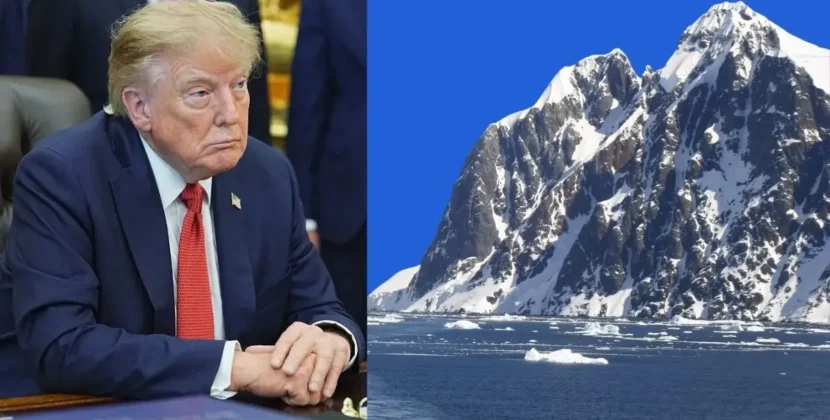






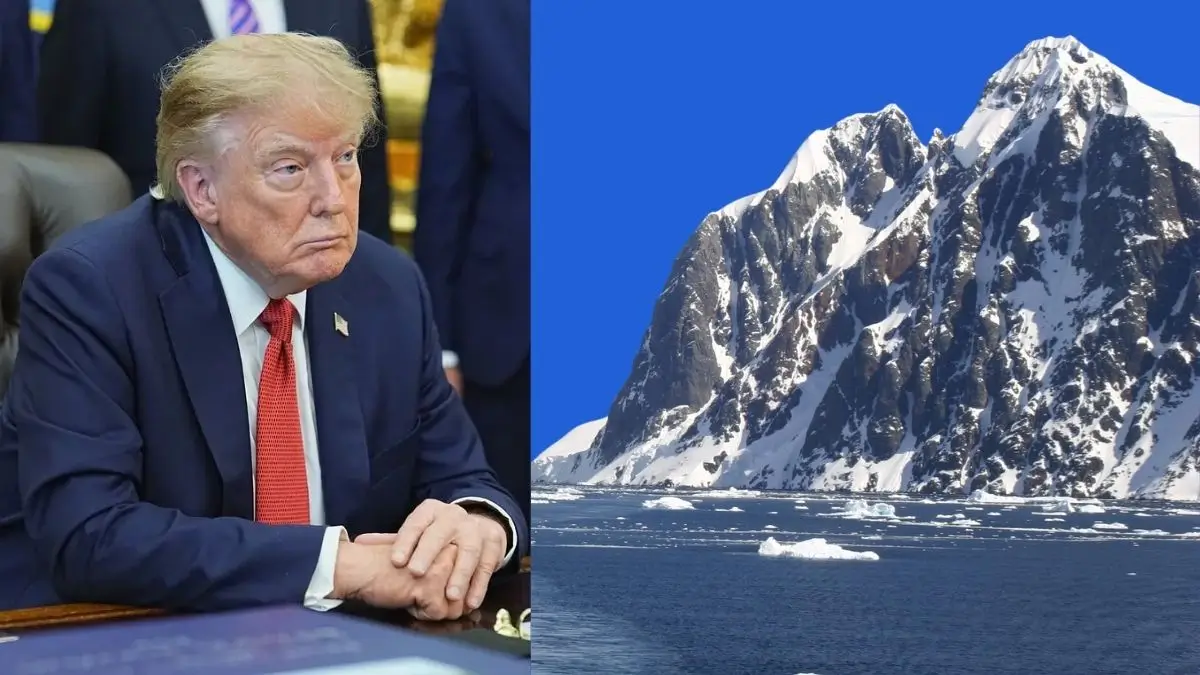
Trump Announces Deal With Denmark for Permanent Control Over Greenland Security
President Donald Trump announced on Friday that the United States has reached a landmark agreement with Denmark that grants the U.S. permanent control over security in Greenland, the world’s largest island. The deal, which has been the subject of intense diplomatic negotiations for months, marks a dramatic shift in the geopolitical landscape of the Arctic and fulfills one of Trump’s most ambitious foreign policy objectives.
What the Deal Contains
In a statement posted on Truth Social, Trump wrote that the agreement gives the United States permanent control over security and all other needs in Greenland. The announcement came after months of back-channel negotiations between Washington and Copenhagen, which had previously rejected Trump’s earlier attempts to purchase the island outright.
The full contours of the deal remain unclear, but Denmark and Greenland both indicated they expected the agreement to be formally signed within the next week, pending approval from both the Danish and Greenlandic parliaments. According to multiple reports, the deal would allow the U.S. to significantly expand its military presence on the island while Denmark and Greenland maintain that it preserves their sovereignty.
The agreement represents a dramatic evolution from Trump’s initial proposal during his first term, when he floated the idea of purchasing Greenland outright. That proposal was met with widespread ridicule and rejection, with Danish Prime Minister Mette Frederiksen calling it absurd. However, the return of Trump to office in January 2026 brought renewed focus on the strategic importance of Greenland, and the diplomatic approach shifted from acquisition to security partnership.
Why Greenland Matters
Greenland’s strategic importance has grown significantly in recent years as climate change has opened new shipping routes through the Arctic and made the island’s vast natural resources more accessible. The island sits at the crossroads of the North Atlantic and Arctic oceans, making it a critical location for military surveillance, missile defense, and control of emerging shipping lanes.
The U.S. has maintained a military presence in Greenland since World War II, most notably through the Pituffik Space Force Base, formerly known as Thule Air Base. The base serves as a key node in America’s ballistic missile early warning system and satellite tracking network. However, the new deal is expected to go far beyond the existing arrangement, potentially granting the U.S. access to additional sites across the island.
Russia and China have both expressed interest in Arctic resources and shipping routes, making Greenland a focal point of great power competition. China, in particular, has attempted to invest in Greenland’s mining sector and infrastructure, raising concerns in Washington about Beijing’s growing influence in the region.
Greenland is also home to some of the world’s largest deposits of rare earth minerals, which are essential for manufacturing everything from smartphones to electric vehicle batteries to advanced military equipment. Access to these resources would reduce U.S. dependence on Chinese rare earth supplies, which have been a persistent vulnerability in American supply chains.
Reactions From Around the World
The announcement has generated strong reactions from across the political spectrum. In Denmark, opposition politicians have expressed concern that the deal could compromise Danish sovereignty over Greenland. The Greenlandic government, which has been pushing for greater autonomy from Copenhagen, has taken a more measured approach.
This agreement is a historic moment for Greenland, said Greenlandic Prime Minister Múte Bourup Egede. We have always said that Greenland’s future must be determined by the people of Greenland. If this deal strengthens our position and provides security for our people, we are open to it.
In Washington, lawmakers from both parties have weighed in. Supporters argue that the deal is essential for national security and countering Chinese and Russian influence in the Arctic. Critics, however, worry about the potential costs and the implications for U.S. relations with other allies.
This is the most significant change in Arctic policy since the Cold War, said Michael McFaul, former U.S. Ambassador to Russia. The question is whether this deal is about genuine security cooperation or whether it is about one leader’s personal legacy.
The Legal and Political Hurdles
Despite the celebratory tone of Trump’s announcement, the deal faces significant hurdles before it can take effect. Both the Danish and Greenlandic parliaments must ratify the agreement, and opposition parties in both countries have signaled that they may seek changes or additional conditions.
In Denmark, the deal has reignited debate about the country’s relationship with Greenland, which has been a source of tension for years. Greenland was a Danish colony until 1953 and has been an autonomous territory since 2009, but it remains closely tied to Denmark through defense and foreign policy arrangements.
Danish defense experts have raised questions about the scope of the deal, particularly regarding the extent of U.S. military access and the potential impact on Danish sovereignty. Some analysts have suggested that the agreement could set a precedent for similar arrangements in other strategically important territories.
What Comes Next
The coming weeks will be critical as both countries work to finalize the details of the agreement. Trump has signaled that he wants the deal signed quickly, and the White House has indicated that the president will push for congressional approval of any necessary funding for expanded military operations in Greenland.
For the people of Greenland, the deal represents a potential turning point. With greater U.S. investment and security cooperation could come economic opportunities that have long been lacking on the island. But there are also risks, including the possibility that Greenland could become a pawn in the larger competition between the U.S. and its geopolitical rivals.
The Arctic is no longer a distant frozen frontier. It is one of the most strategically important regions on Earth, and Greenland is at the center of it all. The deal between the U.S. and Denmark will reshape the balance of power in the Arctic for decades to come.
The Arctic Arms Race
The deal also comes amid growing concern about a potential Arctic arms race. As climate change opens new shipping routes and makes previously inaccessible resources available, nations around the world are scrambling to establish their presence in the region. Russia has been modernizing its Arctic military bases, while China has declared itself a near-Arctic state and invested heavily in polar research and icebreaker construction. The U.S. military has long recognized the strategic importance of the Arctic but has been slow to adapt its capabilities to the unique challenges of operating in polar environments. The Greenland deal could help address this gap by providing access to facilities and resources that would otherwise take years and billions of dollars to develop.