



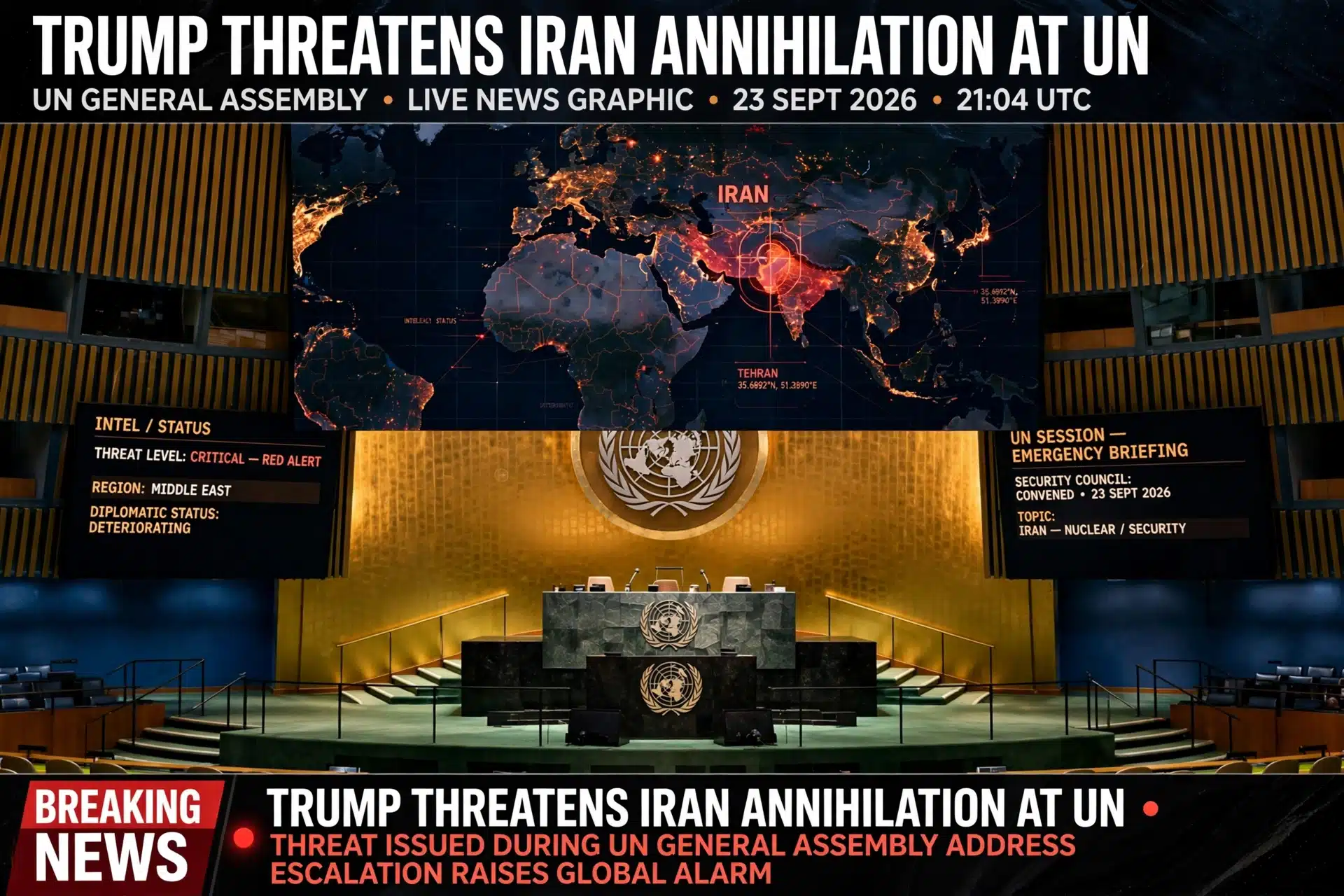
Trump Threatens to ‘Annihilate’ Iran in Fiery UN Speech as US and Iranian Officials Meet Behind the Scenes
President Donald Trump brought his America First foreign policy to the world stage Tuesday, using a 37-minute address to the United Nations General Assembly to defend the ongoing war with Iran and threaten to annihilate Tehran if no deal is reached. The speech, one of the most dramatic UN appearances by an American president in years, was followed by a striking development: Trump said US and Iranian officials met shortly afterward to discuss a possible path forward.
The combination of bellicose rhetoric and immediate diplomacy has made this the top geopolitical story in America, with searches for the Trump Iran speech exploding across the country. Between the threat of annihilation, the president’s meeting with Ukraine’s President Zelenskyy, and his warning that Cuba “will fall,” the UN address laid out the administration’s global vision in blunt terms. Here is what was said, what it means and what comes next.
What Trump Said About Iran at the UN
Speaking to delegates in New York, Trump defended the American military campaign against Iran as a necessary campaign to stop Tehran from ever acquiring a nuclear weapon, a vow that generated applause in the chamber. He cast the coming weeks as a moment of decision, framing a choice between a peace deal after the midterm elections or what he described as extreme action against Iran.
“I have a big decision to make,” Trump told the assembly, pondering whether a peace deal would be agreed or whether he would have to take extreme action. The language escalated further when he threatened to annihilate Iran if the war carries on without an agreement, a vow that immediately dominated headlines worldwide and sent diplomatic channels into overdrive.
The Meeting That Followed the Speech
In a development that complicated the apocalyptic tone of the rhetoric, Trump revealed that US and Iranian officials met on Tuesday, shortly after his address. The meeting suggests that the threat was, at least in part, a negotiating posture designed to bring Iran to the table with urgency, a signature Trump move of pairing maximum pressure with an open door.
Analysts note that the sequence matters: public threat, private meeting. Iran has signaled willingness to discuss limits on its nuclear program in exchange for sanctions relief and an end to hostilities, while the administration has insisted that military pressure will continue until Tehran demonstrates verifiable steps. Whether Tuesday’s meeting produces a framework for negotiations or merely a pause is the open question hanging over the week.
Zelenskyy, Cuba and the Rest of the Speech
Iran was not the only focus. On the sidelines of the General Assembly, Trump met with Ukrainian President Volodyr Zelenskyy to discuss the war with Russia, a conversation watched closely by European allies uncertain about the future of US support. In the speech itself, Trump also turned his attention to Latin America, claiming that Cuba “will fall” as part of a broader pressure campaign against the island’s government.
Trump used the address to lay out his foreign policy vision in the clearest terms yet: wielding American power to promote national interests, demanding that allies spend more on their own defense, and treating international institutions as tools to be used rather than obligations to be honored. Supporters called it a candid restatement of reality; critics said it abandoned the postwar idealism that defined American leadership for generations.
Why the Iran Threat Matters to Americans
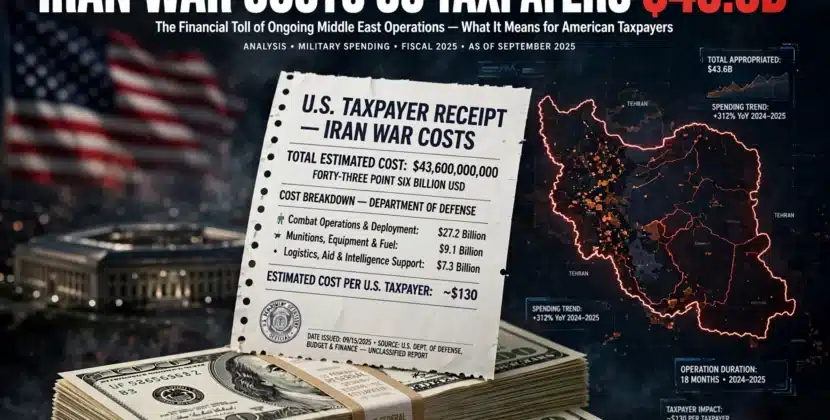
The stakes reach far beyond New York. The war has already cost American taxpayers $43.6 billion, driven oil prices above $100 a barrel for much of September, and contributed to inflation that pushed the Federal Reserve to raise interest rates for the first time since 2023. Gasoline prices, grocery costs and borrowing expenses all connect back to how this conflict evolves.
There is also the human dimension. Tens of thousands of US service members are deployed in the region, and the threat of annihilation raises the specter of a broader war that could involve conscription-era anxieties for the first time in decades, even if no draft exists. Markets reacted nervously to the speech, with investors watching every follow-up signal for clues about whether escalation or negotiation lies ahead.
What Comes Next for the Iran Conflict
Three paths are now visible. The optimistic scenario is that Tuesday’s US-Iran meeting opens a structured negotiation that produces a freeze on nuclear activities in exchange for a ceasefire and sanctions relief. The middle scenario is a frozen conflict with periodic strikes and diplomacy that fails to deliver a deal. The pessimistic scenario is the one Trump articulated from the UN podium: a decision to escalate toward annihilation if talks collapse.
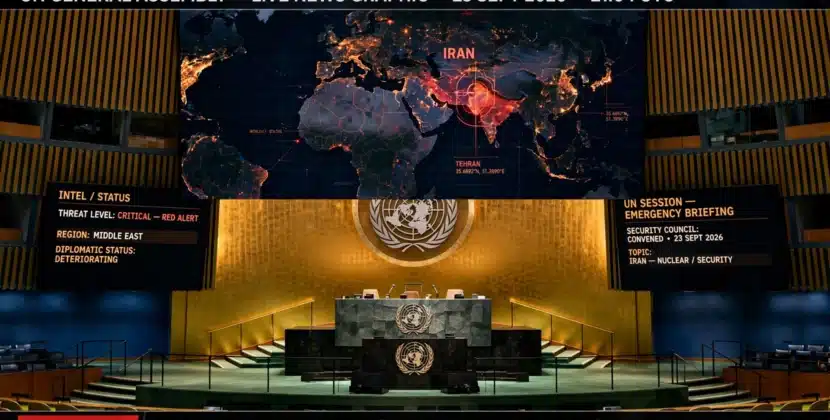
Diplomats from European and Gulf nations have spent the week urging restraint from both sides, and the United Nations Security Council is expected to convene an emergency session on the crisis later this week. For Americans, the message from the General Assembly is that the next few weeks will determine whether the most costly American war since Iraq expands or ends.
Frequently Asked Questions
What did Trump say about Iran at the UN?
Trump defended the war against Iran, vowed Tehran would never get a nuclear weapon, and threatened to annihilate Iran if no deal is reached, casting it as a big decision he must make.
Did the US and Iran meet after Trump’s UN speech?
Yes. Trump said US and Iranian officials met on Tuesday, shortly after his General Assembly address, signaling that diplomacy is continuing alongside the threats.
Why does the Iran war matter for US consumers?
The war has cost $43.6 billion, pushed oil above $100 a barrel and fueled inflation that helped trigger the Fed’s first rate hike since 2023, affecting gas prices, groceries and loan rates.
What did Trump say about Ukraine and Cuba at the UN?
Trump met Zelenskyy on the sidelines to discuss the Russia war and declared in his speech that Cuba “will fall” as part of a wider pressure campaign in the Western Hemisphere.