




Iran War’s Cost to US Taxpayers Hits $43.6 Billion With No End in Sight
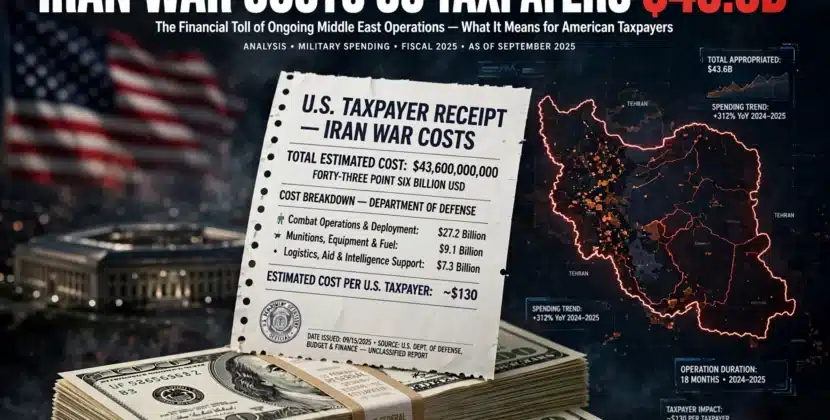
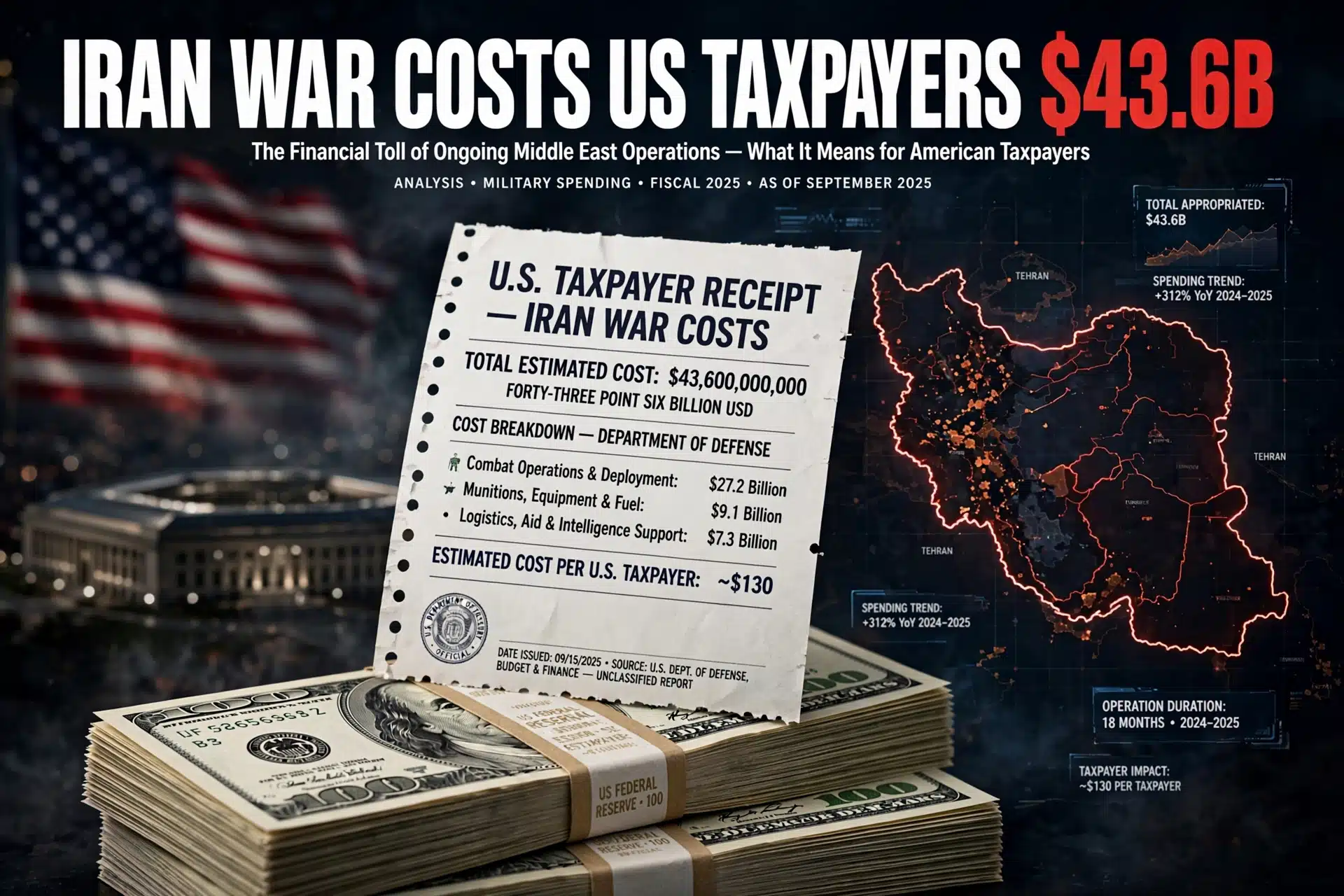
The United States military’s price tag for the war with Iran has climbed to $43.6 billion as of September 3, 2026, according to a new Pentagon estimate provided to Congress. More than $28.1 billion of that total is tied directly to replacing weapons and munitions, including expensive missiles and air-defense interceptors that are being consumed at a rate not seen in decades of American conflict.
The estimate lands as the war enters its most expensive phase, with US forces striking Iranian oil tankers and the Strait of Hormuz remaining a flashpoint. For American families, the war’s costs extend well beyond the federal budget: higher gasoline prices, climbing interest rates and rising grocery bills have all been linked to the conflict. Here is a complete breakdown of what the war costs, who pays and how it could shape the midterm elections.
Breaking Down the $43.6 Billion Price Tag
The headline figure covers military operations from the war’s start through September 3, 2026. The largest single component is munitions, which account for more than 60% of the total according to the Pentagon’s figures. Bombs, precision-guided missiles and air-defense interceptors fired to protect US bases and shipping are costly consumables: each interception of an incoming drone or missile can cost the United States far more than the weapon it destroys.
Beyond munitions, the estimate includes operational costs such as fuel for naval vessels and aircraft, overtime and deployment pay for hundreds of thousands of service members, airlift and sealift operations, and repair and replacement of damaged equipment. Congress has passed supplemental funding measures to keep the effort going, and the Congressional Budget Office has warned that costs could add another $2 billion to $3 billion per month if current tempo continues.
How the War Drives Inflation and Oil Prices
The economic consequences began almost immediately. The closure and disruption of shipping through the Strait of Hormuz triggered what the International Energy Agency has called the largest supply shock in modern history, driving Brent crude above $100 a barrel and holding it there through much of September. Because energy is a foundational cost for transportation, manufacturing and agriculture, higher oil prices feed directly into consumer costs.
The Center for American Progress estimated that the conflict has already cost American households at least $1,200 on average when higher fuel, shipping and borrowing costs are combined. Economists at the CBO echoed the concern, reporting in mid-September that the war is contributing measurably to inflation just as policymakers were hoping price pressures would finally cool.
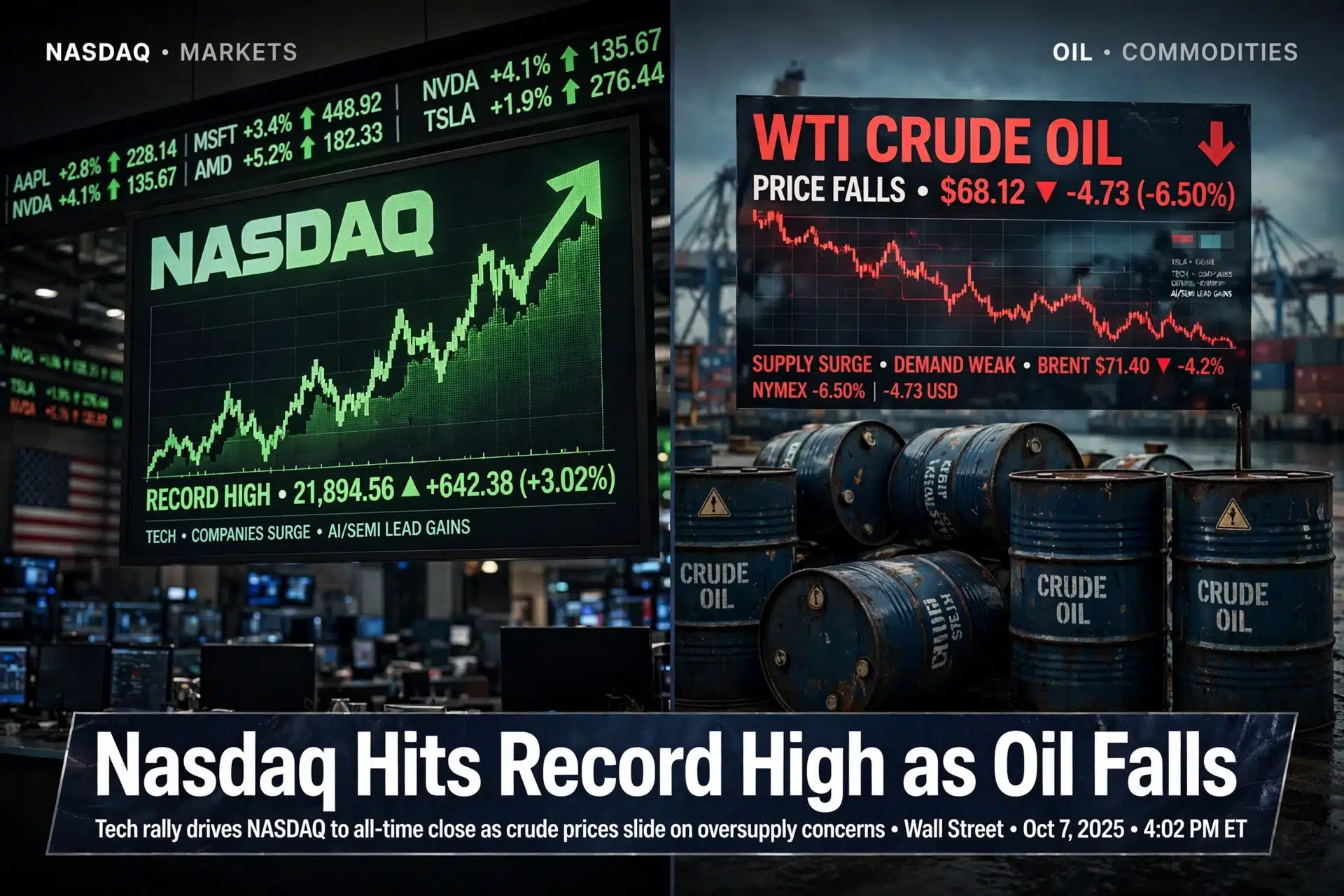
Stock markets have whipsawed accordingly. The Nasdaq’s record rally on September 21 came precisely because oil prices fell back below $100, illustrating in real time how directly Wall Street now trades on headlines from the Middle East.
The Munitions Problem: Why Replacing Weapons Is So Expensive
Defense analysts say the $28.1 billion munitions figure reveals a structural vulnerability. Modern precision weapons are produced in limited quantities, and restocking consumes a significant share of annual production capacity. Interceptors used in layered air defense systems are especially scarce and expensive, meaning every rocket or drone the enemy launches costs the United States multiples in response.
Pentagon planners now face a difficult choice: replenish inventories quickly at premium prices, or accept thinner stockpiles that would complicate deterrence against other adversaries. Congress has pressed military leaders for timelines on restocking, and the answer so far suggests some systems will take years to replace fully.
What It Means for American Families
Voters feel the war’s cost most directly at the gas pump and in the grocery aisle. Pump prices climbed through the summer as crude spiked, and although prices eased slightly this week, they remain elevated compared with a year ago. Shipping costs for consumer goods have risen as cargo reroutes around conflict zones, and financing costs stay higher for car buyers and homeowners as the Federal Reserve remains cautious about inflation.
The political stakes are enormous. With midterm elections approaching, polls show the economy and the war among voters’ top concerns. Analysts note that presidents have historically paid a price at the ballot box when conflicts drag on without clear results and households feel squeezed, making the war’s economic footprint a central campaign issue.
Diplomatic Outlook and What Comes Next
Despite the escalating costs, a diplomatic resolution remains elusive. Military planners have adjusted strategy toward economic warfare and sustained pressure on Iranian oil infrastructure, but there is no clear timeline for de-escalation. Meanwhile, congressional leaders from both parties have begun demanding more detailed briefings and, in some cases, a role for Congress in authorizing continued hostilities.
For markets and households alike, the lesson of the past month is clear: the Iran war is no longer a distant geopolitical story. It is a line item in the federal budget, a driver of prices at American registers and a determining factor in whether Wall Street’s records can hold.
Frequently Asked Questions
How much has the Iran war cost the US so far?
The Pentagon estimates the war cost $43.6 billion through September 3, 2026, with over $28.1 billion spent replacing missiles, bombs and air-defense interceptors.
How does the war affect prices in the United States?
Disrupted oil shipments pushed crude above $100 a barrel, raising fuel, shipping and borrowing costs. The CBO estimates the war adds billions per month in economic pressure.
How much more will the war cost?
The Congressional Budget Office projects an additional $2 billion to $3 billion each month if current military operations continue at their present pace.
Does the war affect stock markets?
Directly. Stocks rallied on September 21 precisely because oil prices fell, and markets have repeatedly swung on headlines about the Strait of Hormuz and Iranian oil infrastructure.