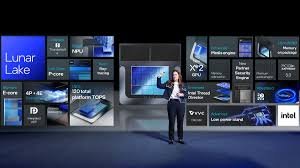
The development of personal computers is advancing faster because artificial intelligence is now an essential component rather than a separate feature. Intel’s new Lunar Lake architecture establishes a new standard for what users should expect from their Intel AI PCs, improving performance and efficiency while delivering superior on-device intelligence. Hardware upgrade requirements have changed as AI-based workloads become essential to daily computing tasks, requiring systems that can support emerging software.
This trend is driving higher performance requirements for laptops, making it difficult for older computers to meet the demands of modern AI workloads.
A New Standard for AI PCs
The introduction of Lunar Lake marks a significant step toward AI-first computing. Its architecture enables dedicated AI processing, alongside the components found in modern processors.
Intel has designed its chips with advanced neural processing capabilities, enabling devices to perform machine learning tasks faster. The Intel AI PC platform provides enhanced capabilities for running real-time AI applications.
As operating systems and applications evolve, these capabilities are becoming essential components rather than optional features.
Integrated NPU and AI Workload Optimization
The Lunar Lake system uses its advanced neural processing unit, which performs artificial intelligence tasks including image recognition, natural language processing, and predictive analytics.
The NPU improves system performance while saving energy by handling workloads that would otherwise require CPU and GPU processing. The Intel AI PC can run sophisticated AI models on device thanks to its energy-efficient design.
Intel’s dedication to workload optimization enables every chip component to perform at its best, resulting in evenly distributed performance capabilities.
Real-World Performance Gains
The advantages of Lunar Lake become most evident in real-world use. AI now powers tasks such as video conferencing, content creation, and data analysis.
The Intel AI PC delivers better performance through its enhanced AI acceleration, enabling faster processing, improved multitasking, and increased system responsiveness.
Intel focuses on developing use cases that require continuous AI operation, enabling devices to maintain performance during extended periods of high-demand processing.
Efficiency and Battery Life Improvements
Modern laptops must be efficient, as artificial intelligence tasks now demand greater computational power. The design of Lunar Lake enables devices to operate at maximum efficiency and reduce power consumption, enabling extended runtime from each battery charge.
The chip’s built-in AI processing capability reduces the need for external computing resources, improving energy efficiency.
Intel has stated that these advancements are vital for providing users with uninterrupted performance on mobile devices.
Raising the Bar for Hardware Requirements
The introduction of Lunar Lake is also raising expectations for hardware capabilities. Devices may struggle to run operating systems and applications when their processing power falls below the minimum required for AI functions.
This issue becomes crucial for users who depend on outdated laptops because those machines do not support essential AI processing functions.
The Intel AI PC establishes a new standard because future-ready devices need to support efficient AI workload management.
Impact on Software and Ecosystems
Hardware advancements like Lunar Lake are closely tied to software development. As more applications incorporate AI features, developers are optimizing their tools to leverage on-device processing.
Intel is working to support this ecosystem by providing frameworks and tools that enable developers to leverage AI capabilities effectively.
This alignment between hardware and software is essential for delivering a seamless user experience.
Competitive Landscape in AI PCs
The AI PC market has become a competitive field, with multiple companies entering through research into new chip technologies. However, Lunar Lake positions Intel as a strong contender in this space.
Intel establishes new performance standards by developing integrated AI systems that meet essential user requirements.
The growing competitive environment will drive companies to develop innovative solutions, leading to better technology products for consumers.
Challenges in Adoption
The shift toward AI-first hardware offers multiple advantages to organizations, but it also presents challenges. Users must evaluate three factors: compatibility, cost, and the learning curve for new features.
The upgraded hardware benefits from improved performance, yet not all applications achieve optimal AI processing efficiency.
Intel is working with developers to expand its AI application support to address these existing problems.
Long-Term Implications for Users
The transition to AI-powered PCs brings both benefits and difficulties to users. The Lunar Lake device upgrade enables users to access new features that enhance their work efficiency.
The system demonstrates how older devices are at risk of becoming outdated. The hardware requirements for computing will keep changing because AI technology becomes a standard part of daily operations.
The Intel AI PC demonstrates that upcoming computing systems will measure their performance through artificial intelligence capabilities and traditional performance standards.
The Future of AI PC Performance
The upcoming Lunar Lake advancements will serve as the foundation for future laptop designs. Increased AI performance, better efficiency, and deeper integration with software ecosystems will drive innovation.
Intel continues to invest in AI technology, accelerating advances in the field and making AI-based personal computers the new standard.
Conclusion: A Turning Point for Personal Computing
The launch of Lunar Lake represents a turning point in the evolution of personal computing. By enhancing AI capabilities and improving efficiency, Intel is redefining what users can expect from an Intel AI PC.
As hardware expectations rise, choosing the right device becomes critical for maintaining performance and compatibility. In an AI-driven landscape, the gap between modern and outdated hardware is widening—making upgrades not just beneficial, but necessary.
Source: Graphics built for the age of AI