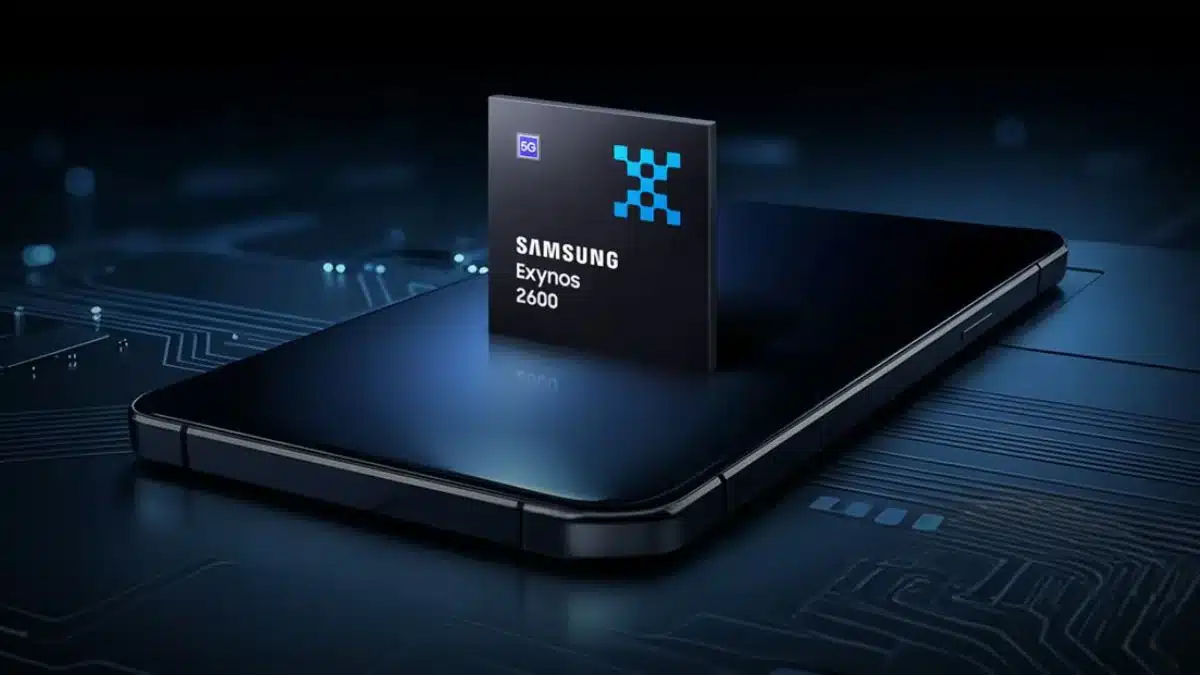
The next phase of mobile computing is defined by how effectively devices can process artificial intelligence locally. Samsung’s Exynos 2600, which the company introduced, marks a new stage in its development of on-device artificial intelligence technology that will change the way smartphones operate, their efficiency and security, and their ability to handle data. Mobile devices now depend on chip-level advances to maintain their functionality because artificial intelligence has become a standard part of daily activities, including photography and real-time translation.
The growing emphasis on mobile AI reflects a broader industry transition away from cloud-dependent processing toward local, real-time computation.
The Rise of On-Device AI in Smartphones
Historically, people have used cloud infrastructure to get processing power for their AI workloads. The method creates three problems: it introduces latency issues, increases data requirements, and poses privacy risks.
The Exynos 2600 solution enables direct device execution of additional AI tasks, which solves current problems. Samsung develops its chips with advanced neural processing capabilities, enabling smartphones to perform complex AI tasks without connecting to cloud services.
This shift toward mobile AI ensures faster response times and a more seamless user experience.
Architectural Improvements Driving Performance
The Exynos 2600 features an upgraded NPU that enhances machine learning performance through its improved design. The improvements deliver enhanced performance and increased operational efficiency compared to earlier system versions.
Samsung’s semiconductor division focuses on improving AI-specific workloads to achieve efficient performance in image recognition, voice processing, and predictive analytics operations.
The chip achieves high performance by distributing workloads across CPU, GPU, and NPU components, helping reduce energy consumption.
Real-World Applications of Mobile AI
The most noticeable effects of on-device AI technology appear in standard smartphone functions that people use in their daily lives. AI technology transforms user interaction with devices through its application in better photography and intelligent assistant systems.
The Exynos 2600 system performs live image processing by enabling cameras to adjust their settings based on an assessment of visual scenes. Voice assistants can operate more responsively, and language translation can occur instantly without requiring internet connectivity.
Samsung is leveraging these capabilities to deliver smarter, more adaptive user experiences powered by mobile AI.
Efficiency Gains and Battery Optimization
The primary benefit of on-device AI technology is its ability to process data without continuous data transfer, which drains battery power.
The Exynos 2600 enables AI processing through its power-efficient design, which extends device operation during demanding applications.
Samsung creates efficient systems that maintain battery performance while enabling sophisticated AI functionalities to enhance daily device usability.
Reducing Cloud Dependency and Costs
Cloud-based AI processing requires users to pay for data transfers and maintain a constant, reliable internet connection. Users can achieve better performance and lower expenses by transferring work tasks to their personal devices.
The Exynos 2600 supports this transition by providing the computational power needed for local AI processing. The system provides better data protection by minimizing the need to access remote servers.
Samsung’s approach aligns with the growing market demand for both security and affordable AI solutions that work on mobile devices.
Competitive Positioning in the Mobile Chip Market
The semiconductor industry faces growing competition driven by advanced AI capabilities, which manufacturers are now implementing in chips such as the Exynos 2600. This shift requires manufacturers to produce AI systems that deliver improved performance while maintaining existing operational efficiency.
Samsung is working to establish itself as a major player in this field through its specialized knowledge of both hardware development and product creation.
Smartphones will become standard AI devices for users, but devices will need to provide strong performance to help their brands stand out in the market.
Implications for Developers and Ecosystems
The advanced AI functions built into chip architecture create fresh development possibilities for developers. Applications can use on-device processing to deliver faster, more interactive features without relying on cloud services.
The Exynos 2600 serves as a foundation for developers to build sophisticated AI solutions, including augmented reality and personalized content recommendations.
Samsung will probably provide this ecosystem with development tools and framework solutions that help developers access the complete functionality of the chip.
Challenges in Scaling On-Device AI
On-device AI offers benefits but also creates challenges. Researchers must spend extensive time on optimization work to develop models that will work successfully on mobile device hardware.
Device compatibility testing across multiple devices and software environments is highly complex.
Samsung must resolve these obstacles to unlock the full capabilities of its AI-oriented semiconductor technology.
Conclusion: A Shift Toward Smarter, Independent Devices
The Exynos 2600 mobile AI processing capabilities enable faster, more efficient, and safer device operations. Samsung helps create a new operational model for AI-powered smartphones by reducing their reliance on cloud-based systems.
As mobile AI continues to evolve, the choice of chipset will increasingly determine device capabilities and long-term value. For users, this means that selecting the right hardware is no longer just about speed; it is about enabling a smarter, more independent computing experience.
Sources: Samsung Latest News