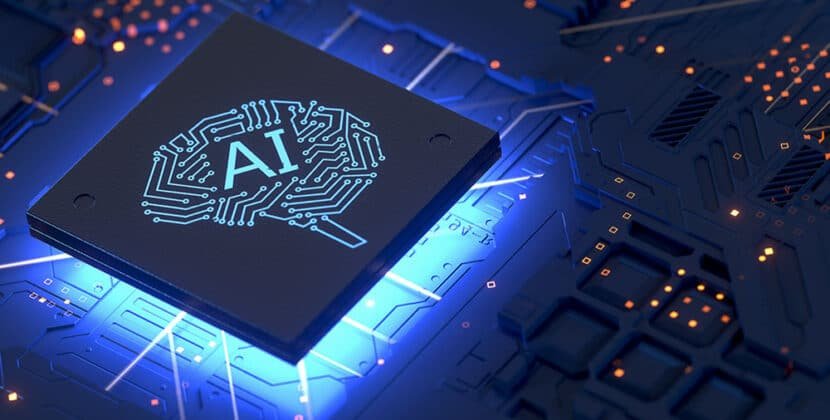
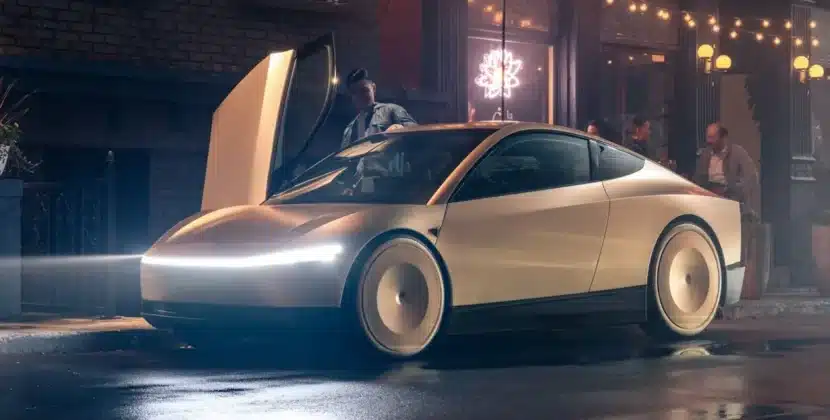




Tesla has recently announced a significant upgrade to the Full Self-Driving (FSD) operating system, which will use artificial intelligence (AI) to make decisions, thereby improving safety, efficiency, and overall driving performance. This latest release reflects Tesla’s commitment to continuously improving autonomous vehicle technology, as demonstrated by advanced neural networks, real-time data, and machine learning, to deliver more intelligent and reliable driving experiences.
Advancing Autonomous Driving with AI
Tesla’s full self-driving (FSD) uses artificial intelligence (AI) to understand complex road conditions, detect current situations, and offer alternative options while driving. The most recent update to the system has worked to improve the way that AI handles difficult driving situations like complicated intersections, merging onto highways, and driving through cities where traffic is unpredictable.
By improving neural network performance, Tesla aims to enable its vehicles to make the necessary decisions to anticipate other drivers’ actions, react smoothly to changes, and reduce the risk of sudden movements. These are all important contributions towards improving both safety and efficiency in the creation of autonomous driving technology.
Key Improvements in Decision-Making
The new software update adds many improvements to how Tesla’s AI analyses and acts on driving data. Using advanced models, the system can predict vehicle, pedestrian, and cyclist behaviour more accurately, enabling it to optimise speed, lane changes, and navigation around obstacles.
The update has also improved the AI’s ability to interpret traffic signals, signs, and road markings, helping increase compliance with traffic regulations and improve route planning. The improvements have been made to create smoother, more human-like driving behaviour, thereby enhancing passenger comfort and safety.
Real-Time Data Processing and Machine Learning
The essential feature that makes Tesla’s updated fully self-driving (FSD) system successful is that it has the capacity to analyse AR data being fed into advanced machine-learning algorithms, which allow the car to constantly monitor its surroundings and alter its driving strategy on an ongoing basis.
All this allows the vehicle’s AI to react quickly to unanticipated events, such as a vehicle braking suddenly, a vehicle entering its lane, or impending adverse weather. The combination of high-speed analysis and predictive modelling will yield consistently superior autonomous driving outcomes.
Enhancing Safety and Reducing Human Error
The system will help reduce the risk of modelling modeling and proactive movement, thereby reducing the likelihood of collisions and improving overall traffic flow.
The updates will significantly improve the AI’s ability to react quickly to emergency situations, enabling it to respond more effectively to sudden hazards. Thus, these changes continue to push Tesla toward its goal of developing autonomous vehicles that can drive safely and efficiently without human intervention in many types of environments.
Adaptive Learning and Continuous Improvement
By employing an ongoing learning model based on total driving data from its combined fleet of vehicles over 1 million miles, Tesla can leverage actual in-vehicle experiences to evolve its AI function through a centralised training methodology.
Through this process of adaptive learning, Tesla’s FSD software continues to improve as it learns to drive in diverse conditions (urban centers have different driving conditions than rural areas). FSD uses these improvements to deliver enhanced performance while driving on the road.
Impact on Driver Experience
The goal of the update is to enhance safety and convenience and reduce driver stress. The AI system in cars now makes better decisions; as a result, it can perform routine driving functions with less effort, giving the driver more time to observe and monitor the system rather than constantly needing to take control of the vehicle.
By improving AI responsiveness and having smoother navigation routes, FSD cars will provide a more comfortable ride for passengers – especially when travelling f automation; however, it will still require the driver’s attention to ensure safety.
Competition and Industry Context
The field of robotic transportation is advancing rapidly, with numerous automotive and tech companies tapping AI advancements to develop robotic technologies. In particular, the continual updates to Tesla’s self-driving hardware put its product ahead of any other automaker’s efforts to develop a fully autonomous vehicle.
The real-time decision-making of AI used for self-driving cars continues to improve, and combined with the fleet learning feature (meaning all Tesla vehicles “learn” as they use), Tesla will continue to develop and maintain a competitive edge while also showing technological advances in how well the technology will perform in normal day-to-day driving.
Challenges and Limitations
Autonomous driving systems still struggle with challenges, even with the many improvements; many systems need to handle complex and unpredictable situations, such as construction sites, inclement weather, and other unusual traffic conditions, which require careful artificial intelligence (AI) interpretation.
The balance between automated and driver oversight is incredibly important at this time. In addition to AI issues, regulatory approvals, legal frameworks, and basic public acceptance can also affect the speed of autonomous vehicle deployment. As Tesla continues to move towards greater levels of autonomy, it is critical for them to maintain transparency, safety, and trust in their vehicles.
Future Developments
The company will also continue to refine FSD functionality through software updates, utilising data obtained from Tesla’s fleet and new AI modelling insights. Enhancements to FSD can include greater predictive capabilities, improved handling of uncommon edge cases, and better integration with other Tesla products that provide safety and automated functions.
Innovation is crucial for achieving Tesla’s objective of manufacturing fully autonomous vehicles capable of being safely operated in a variety of driving scenarios.
Looking Ahead: Smarter, Safer Driving
Tesla has proven its intent to push the limits of your car’s capabilities with the new FSD updates. Combining AI and machine learning with real-time processing of sensor data has enabled Tesla to create cars that make better decisions while driving.
With continuing advancements in technology, we will see improvements in your vehicle’s safety and a decrease in the amount of ‘work’ each driver must do to get from point A to point B. Ultimately, this will help fulfil the dream of an entirely autonomous, self-driving world.