




By 2026, the focus has shifted from experimenting with generative AI to deploying autonomous systems at scale. American companies now want more than just basic chatbots; they need reliable systems that can handle complex business tasks autonomously. Software orchestration is still important, but there is a new emphasis on how employees use these models in real-world settings. Leaders are now comparing hardware options and asking: AI pins or smart glasses, which wearable AI is more effective? The decision is about more than just appearance. It is about choosing the device that boosts productivity the most without causing digital hassles.
How Ambient Intelligence Is Changing Work in the US
As the US AI market grows, attention has shifted from just improving AI models to making human-computer interactions more efficient. By 2026, ambient intelligence will be a must-have for field service, logistics, and healthcare professionals. These professionals need hands-free ways to access company information and real-time data. Companies see a return on investment by completing fewer tasks, as technicians can double-check complex tasks with the help of visual or voice-guided AI. This speed is crucial in industries where even a short downtime can cost thousands of dollars each minute.
The technology behind these wearables needs to be strong enough to keep tasks running even if the network goes down in remote locations. This kind of reliability is what makes a system ready for real-world use and is a key reason why choosing the right hardware matters so much. If the way people interact with the device fails, it can lead to costly errors or even safety risks in industrial settings. As more US companies adopt AI at scale, wearables have become the primary tools for collecting environmental data. This has made the question of which device offers the best mix of usefulness and social acceptance even more important.
AI Pins Versus Smart Glasses: Which Wearable AI Works Better?
When comparing AI pens and smart glasses, companies should look at the needs of each department. AI pens, like the latest versions from Human or Rabbit, are discreet and work well in places where audio is most important. They are best for tasks that require taking notes or using voice commands. For executives or project managers who are often in meetings, the pen offers a quiet way to use a digital assistant. By 2026, the main value of the AI pen lies in its simple design and low intrusiveness, making it a good fit for office environments.
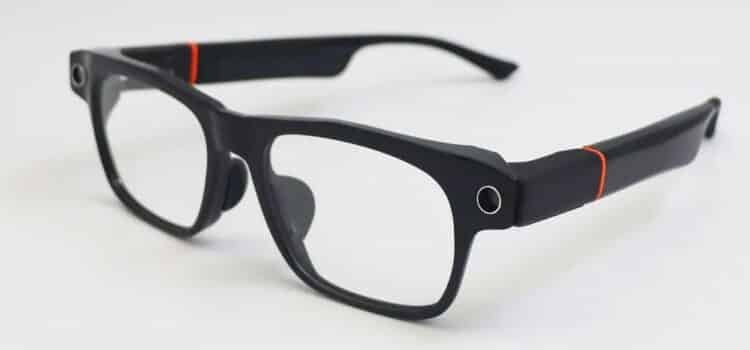
Smart glasses have become popular in industrial and medical fields because they can show information right in front of the user’s eyes. Unlike pins, glasses can display instructions directly in the user’s view, which helps with complex hands-on work. For example, warehouse workers can see navigation guides, and surgeons can check patient vitals without looking away. By 2026, the main benefit of smart glasses will be their ability to use the camera to confirm tasks are done correctly. For jobs that require high accuracy, glasses help reduce mental effort and make work safer.
Comparative Performance and Strategic Selection
Choosing between these devices often comes down to balancing social comfort and visual features. AI pins are usually more comfortable to wear all day and avoid the negative image that smart glasses sometimes have in public. They also offer more privacy by using palm projections or haptic feedback instead of a screen. Smart glasses offer more advanced features but can cause eye strain and require more frequent charging. Companies in the US should match their choice to the types of tasks and the length of time employees wear the device during a shift.
The Future of Multimodal Interaction
By the end of 2026, the market will be shifting toward hybrid ecosystems where workers use both devices based on their tasks. With these standards, an AP—an AI Pen can serve as the main processor, while smart glasses provide extra support for complex situations. This federated approach removes hardware constraints and allows businesses to choose the best sensor for each department. The return on investment comes from closing information gaps and building a more connected workforce.
We are entering an era when wearables serve as the nervous system of modern companies, connecting many processes behind the scenes. This efficiency helps make businesses reliable as the data they use. By choosing the right wearable now, US companies are preparing for a future where human creativity works alongside dependable machine intelligence. The move toward a stronger partnership between people and technology is already underway, thanks to these advanced interfaces.
Sustainable ROI Through Human-Centric Design
In the end, the variable you chose shapes how your organization manages employees’ attention. Deciding between AI pins and smart glasses helps companies create systems that respect human rights and boost machine performance. Separating the screen from the interaction is key to building an AI strategy that can keep up with fast hardware changes. By investing in ambient interfaces, US businesses are creating lasting value that goes beyond any one language model.
In the future, much of our corporate work may be handled by reliable behind-the-scenes technology. The goal of the sovereign AI movement is to create organizations that are always active, always learning, and always focused on serving the greater good by choosing the right interface. Now, US businesses are preparing for a future where clear, dependable logic is their most valuable asset.
Source: Build for visionOS


