






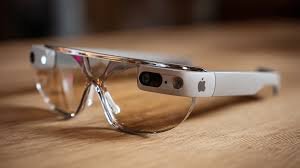
Apple is exploring the next phase of wearable computing through a newly surfaced patent that signals a move toward AI-powered smart glasses. The filing describes systems that combine augmented reality with environmental sensing and artificial intelligence to create a portable wearable device, which Apple is developing as technology for future products beyond its current spatial computing hardware.
The patent points to a future in which smart glasses function as always-on AI assistants that can understand their environment, provide relevant information, and control other devices. Apple is preparing to expand its product ecosystem by developing lightweight AI-powered eyewear, which will become popular as the wearable technology market continues to grow.
From Headsets to Everyday Wearables
Apple develops its spatial computing technologies through its work on the Apple Vision Pro. The design of headsets works best in environments where users need to use them for long periods.
Smart glasses offer a better way to use AR and AI by providing a portable design that users can wear throughout their daily activities. The patent suggests that Apple is exploring how to transition from high-end headsets to lightweight wearables that can be used continuously throughout the day.
The industry is now moving toward developing advanced technologies that users can use in their daily lives without noticing.
AI as the Core Interaction Layer
The patent’s main component establishes AI as the primary interface for operators to control smart glasses. Users could interact with the device via voice, gestures, and contextual cues, without needing to use touch or traditional controls.
The system would use AI to interpret user intent, analyze surroundings, and provide relevant information in real time. The glasses could identify objects, display navigation directions, and make contextual suggestions based on user activity.
Apple aims to create more natural user interactions, reducing the need for users to issue explicit commands or perform manual tasks.
Environmental Awareness and Contextual Computing
The patent describes how sensors and cameras function to create systems that detect environmental conditions. The device uses these components to identify its environment by detecting objects, locations, and user activities.
The system needs this capability to enable contextual computing, which delivers information based on the environment’s actual conditions. The glasses provide walking directions that display points of interest and help users with shopping and navigation tasks.
Apple uses real-time processing to maintain responsive, relevant user interactions.
Integration with Apple’s Ecosystem
Smart glasses are expected to function as part of a broader ecosystem, connecting with devices such as iPhones, Macs, and wearables. This integration would enable users to receive notifications and access applications and data across different platforms.
Apple’s ecosystem strategy enables new devices to leverage existing system resources, resulting in an uninterrupted user experience. Users can begin tasks on one device and finish them using their smart glasses according to this feature.
The interconnected system improves user experience by supporting common work patterns that users already know.
Challenges in Design and Adoption
Developing smart glasses that are both functional and comfortable presents significant challenges. The device must balance performance with size, weight, and battery life, ensuring that it can be worn for extended periods.
There are also considerations related to user acceptance, as wearable devices must align with personal preferences and social norms.
Apple will need to address these factors to create a product that appeals to a broad audience.
Privacy and Data Security Concerns
Smart glasses, powered by camera and sensor technology, raise significant privacy concerns that must be addressed. People who use the technology and those nearby will fear that their information will be collected through surveillance.
Trust will depend on two factors: organizations must establish transparent practices while implementing effective privacy safeguards. Apple has maintained its commitment to privacy since its founding, which requires the company to apply these principles to its smart glasses. The company’s approach to data handling and security will likely play a key role in adoption.
From Patent to Product Reality
The patent documents show which research areas Apple prioritizes, but they do not guarantee that the described inventions will result in marketable products. Smart glasses development shows that companies plan to build future wearable AI devices that users can operate without looking at standard display screens. Apple continues to invest in this field, indicating that it will develop these products for its upcoming product line.
Conclusion: Toward an AI-Driven Wearable Future
Apple’s patent for AI-based smart glasses technology points to a new direction for creating wearable devices that offer better interactive experiences and simpler use. Apple tests a new computing method that combines artificial intelligence and augmented reality with real-world environmental knowledge into a small device.
The upcoming technological advances will change user interaction with devices by creating systems that understand their environment and use natural language, enabling seamless operation during everyday activities.
Source: New to Intellectual Property?


