





TPS Ukraine Sudan: Work Authorization Continues While DHS Decides
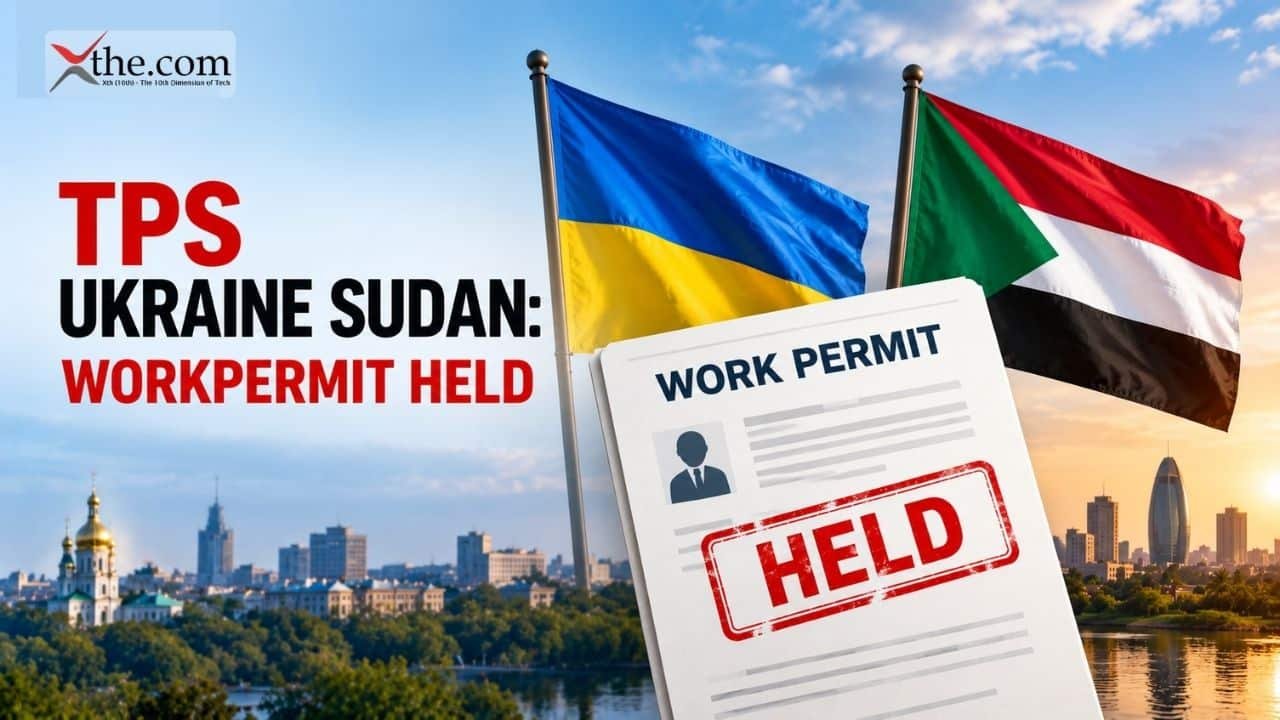
The TPS Ukraine Sudan question that expired on paper this week did not expire in practice. On October 19, 2026, the date the countries’ Temporary Protected Status designations had been scheduled to end, USCIS updated its Ukraine and Sudan pages to say beneficiaries in the United States retain TPS protection, including work authorization, until a DHS announcement comes at the appropriate time. No formal extension or termination was issued, and no new EAD auto-extension date was set. Here is what the holding statement means for workers and employers, and what to watch as the department decides.
Key Takeaways:
- – USCIS updated its Ukraine and Sudan TPS pages on October 19, 2026, the date the designations were scheduled to end.
- – Beneficiaries retain TPS protection and work authorization until DHS announces further action.
- – No formal extension, termination, or new EAD auto-extension date has been announced as of this week.
- – Employers managing EAD reverification and Form I-9 processes should track this closely because the underlying clock moved.
- – Long-term status remains unresolved, so workers should not treat the guidance as permanent.
What USCIS Said on October 19
The update itself is deliberately narrow. On the date the designations were scheduled to terminate, USCIS revised both the Ukraine and Sudan TPS pages to communicate a holding pattern: an announcement would be made at the appropriate time, and in the meantime beneficiaries retain TPS, including the employment authorization that flows with it. The same holding language appears on both pages, and immigration firms including Ogletree and BAL documented the position for employer audiences the same week.
What makes this unusual is what the update did not do. There was no formal extension with a new end date, no termination notice, and no new notice-based EAD auto-extension for expired documents. The pre-existing EADs remain valid based on the retention statement, but workers whose cards expire soon have no printed extension language to show a skeptical employer, which is exactly the gap that usually generates workplace confusion.
What This Means for Workers
For Ukrainians and Sudanese nationals holding TPS in the United States, the immediate practical question is simple: can you keep working on the documents you had last week? Under the USCIS language, yes; protection and work authorization continue until further notice. The uncertainty is about what happens when DHS finally acts. If the department extends either designation, workers keep status potentially well into next year with new registration periods and new cards. If it terminates TPS, the wind-down sequencing, timing and travel or reapplication options would follow whatever notice USCIS publishes then.
Workers in this position should keep records current: save the USCIS page wording from the day they check their status, keep EAD and receipt notices accessible, and resist spending decisions based on assumed extensions. Community-based legal organizations that handle TPS renewals are the best place to double check whether your specific EAD bears a category and validity that the holding statement covers, since card-level details can vary by registration year.
What Employers Must Do About Form I-9
Employers carry most of the compliance weight in a holding pattern like this. Work authorization continuation statements complicate reverification: under the USCIS guidance, continued TPS-based employment authorization is in force, so reverifying or terminating employees solely because their documents hit an expiration date would be premature. That said, employer responsibilities differ based on whether the employee’s card bears a printed auto-extension notice, which is the standard TPS method, and because no new auto-extension number was published this week, employers should follow USCIS and E-Verify guidance specific to Ukraine and Sudan before acting.
The recommended sequence for HR teams is documentation first: snapshot the USCIS page as it reads in October 2026, note which employees hold affected EADs, and set a follow-up date keyed to the pending DHS announcement. Terminating employees or treating documents as invalid on a guess exposes employers to discrimination risk, while ignoring a genuine retroactive termination if one eventually publishes reinstates the ordinary reverification duties. Firms including Ogletree and BAL advise exactly this posture: maintain employment, monitor announcements, and avoid both premature adverse action and permanent assumptions.
The Numbers Behind TPS Ukraine Sudan
Population scale makes the holding matter to a lot of paychecks. Ukraine’s TPS population in the United States has been estimated in the low hundreds of thousands since the 2022 designation, including thousands of workers in construction, home health, food service and seasonal industries, with heavy concentrations in states including Pennsylvania, New Jersey, Illinois and Washington. Sudan’s TPS population is smaller but concentrated in specific metro areas with deep community ties to East Africa. The combined earnings and payroll-tax effect alone demonstrates why employers pressed for an answer ahead of the expiration date.
The legal machinery under the announcement also matters. TPS is a discretionary humanitarian designation with set registration periods, work authorization documents and, in some designations, special re-registration windows. When DHS finally answers the October 19 holding, that answer will go through Federal Register notice or USCIS page updates, which are the sources affected individuals and employers should monitor directly rather than relying on rumor. Note that this article summarizes published announcements and firm guidance; it is not legal advice, and every case can carry individual factors that merit consultation with a qualified immigration attorney.
What Happens Next
Watch three channels for the resolution. First, the USCIS Ukraine and Sudan TPS pages themselves, where any formal extension or termination will land before anywhere else does. Second, the Federal Register, where a formal termination or extension with comment periods would publish with legal effect and specific dates. Third, employer-side advisories from firms monitoring these caseloads, which tend to break down the procedural impacts within hours. Until one of those channels moves, the operative rule is straightforward: beneficiaries retain protection and work authorization, employers should not act against them, and everyone should build their plans around a bounded waiting period rather than permanent assumptions.
Frequently Asked Questions
Is TPS extended for Ukraine and Sudan?
USCIS has not issued a formal extension. Its October 19, 2026 update says beneficiaries retain TPS protection and work authorization until the department makes an announcement, so the designations continue in a holding pattern rather than through a dated extension.
Can TPS holders keep working after October 19?
Yes. Under the USCIS holding statement, work authorization continues for Ukraine and Sudan TPS beneficiaries until further notice, and employers should not treat those EADs as invalid on that basis alone.
What should employers do about TPS EADs from Ukraine and Sudan?
Document the current USCIS language, avoid premature reverification or termination, set a follow-up date tied to the pending DHS announcement, and monitor USCIS and Federal Register for any formal notice that changes reverification duties.
Sources:
- https://www.uscis.gov/humanitarian/temporary-protected-status/TPS-Ukraine
- https://www.uscis.gov/humanitarian/temporary-protected-status/temporary-protected-status-designated-country-sudan
- https://ogletree.com/insights-resources/blog-posts/ukraine-and-sudan-tps-work-authorization-continues-pending-further-dhs-announcement/