





Washington, D.C. | July 25, 2026
After thirteen nights of U.S. military strikes near a key oil chokepoint, everything stopped on a Friday night in July. CENTCOM made no new statements, and there were no more strikes. Meanwhile, the crypto market lost $80 billion, leaving traders puzzled about the cause.
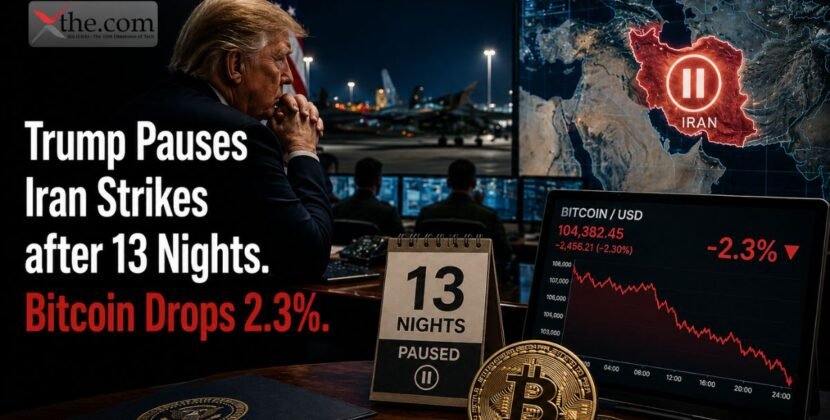
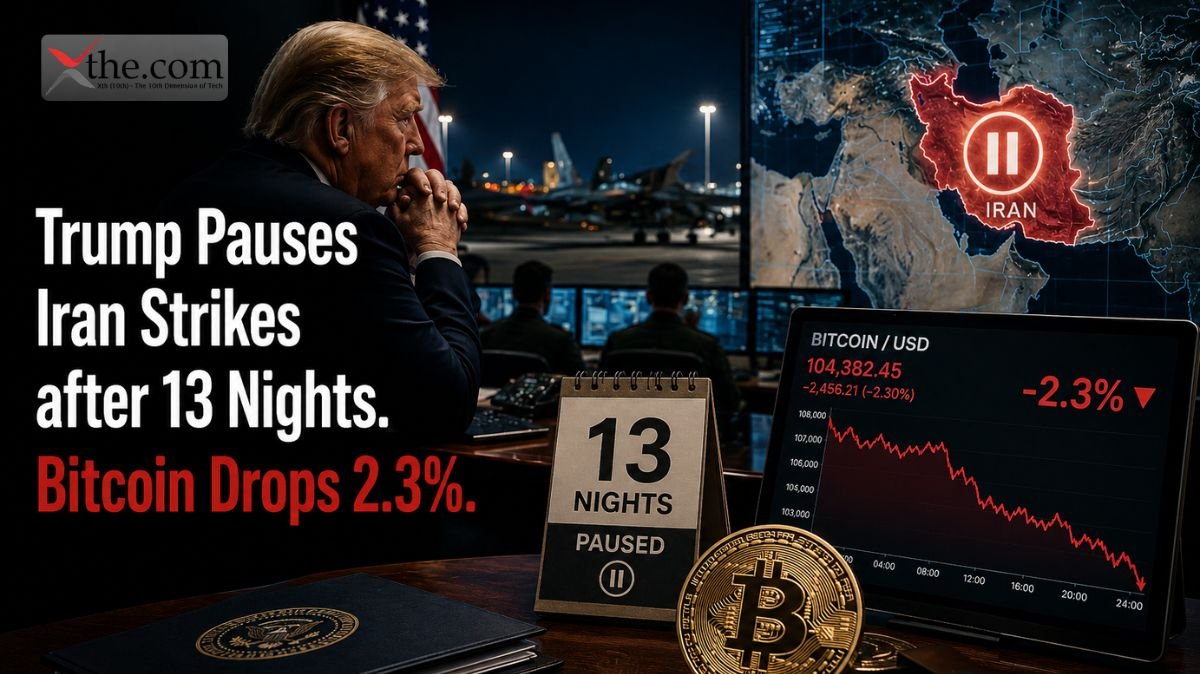
Trump pauses Iran strikes after nearly two weeks of nightly bombardment, and the market reaction was instant and measurable. Bitcoin drops 2.3 percent as the news broke, sliding from roughly $65,500 toward the low $64,000s, a move that erased weeks of measured gains built on hopes that the Strait of Hormuz conflict would stay contained. For an asset that traders like to describe as “digital gold,” the sell-off is a sign that Bitcoin still behaves like a risk asset when geopolitical stress spikes.
Why Washington Paused After 13 Nights of Hormuz Attacks
The 13-night Hormuz attacks campaign began as a response to Iranian threats against commercial ships passing through the strait, which handles nearly a fifth of the world’s seaborne crude oil. Each night, U.S. Central Command reported strikes on military targets in Iran. But on July 25, that routine stopped. A Department of Defense source told reporters that operations were “on hold.” There were no new targets or missions.
The announcement did not come as a surprise. Sources said Vice President JD Vance and General Dan Caine, Chairman of the Joint Chiefs of Staff, discussed it during a Friday White House briefing. Caine warned that the U.S. is using up its supply of Patriot missiles and interceptors much faster than they can be replaced. This is a serious logistics and possibly strategic problem, which likely explains why the issue was discussed in the Oval Office.
Trump described the pause as a way to gain leverage, not as a retreat. “They’d love to make a deal,” he said Friday night, adding that he was “willing to listen,” though he doubted Tehran was ready to negotiate. White House Communications Director Steven Cheung was more direct, saying that tough sanctions and 13 nights of strikes should push Iran toward talks, and warning that the alternative is clear to Tehran. Newsrooms and trading desks now use the phrase “Trump pauses Iran strikes 13 nights” to sum up the story.
Diplomacy Gets a Window
The timing lines up with a genuine diplomatic opening, since diplomatic channels Tehran open just as an Omani delegation arrived to discuss reopening safe passage through the Strait of Hormuz. Iran’s Foreign Ministry called the talks constructive and said there was progress on managing shipping traffic. However, Iranian officials stressed that there has been no official change to maritime traffic yet. Technical and political talks are ongoing, meaning the issue is not resolved but still active.
For markets, these details matter a lot. A pause in strikes is not the same as a deal, and a deal is not a final settlement. Traders have already seen three Trump-led suspensions this year—10 days in March, two weeks in April, and now this break—so they are cautious.
How Bitcoin Absorbed the Shock
Bitcoin falls below $64,000 as information of the pause news circulated among trading desks already jittery from a week of oil-driven volatility. Brent crude had reached nearly $101 a barrel earlier in the week, then fell back to about $96 after the pause. This price swing affected inflation expectations. Higher oil prices generally push inflation up, and higher inflation makes the Federal Reserve less likely to cut interest rates. This has put pressure on crypto values throughout 2026.
The overall crypto market cap shed $80 billion, capturing just how quickly capital rotated out of digital assets and into more secure options like Treasuries and the dollar. Ethereum stayed near $1,800 during this time, while Solana had one of the bigger drops among major tokens, falling more than 2 percent as market mood worsened. The Crypto Fear and Greed Index, which tracks trader mood, was at 27, firmly in the “fear” zone, though not as low as during the worst days of the conflict.
All of this happened together. Bitcoin exchange-traded funds sold $225 million worth of the cryptocurrency during this period, adding extra selling pressure on top of wider market fears. These two factors worked together, not against each other, as ETFs became net sellers during the crisis.
A Pattern Traders Have Seen Before
Headlines like “Bitcoin drops 2.3 percent of Hormuz escalation” are nothing new in this market cycle. Bitcoin fell below $63,000 in mid-July during a previous spike in fighting, and prediction markets then gave Hormuz shipping little chance of returning to normal by month’s end. What’s different now is the outlook. Even a tentative pause changes how traders think about risk. Options for desks that were charging extra for downside protection are already adjusting their prices.
Still, Trump has made it clear that if talks stall, military options remain available. The pause in pressure depends on Iran returning to negotiations. This has kept risk premiums steady in both oil and crypto markets, even with the short-term relief.
What Comes Next for Markets and Diplomacy
The coming days will decide whether this pause will turn into something more. In the next few days, we’ll see if this pause leads to real progress or just another temporary break. Oman’s diplomatic moves with Tehran will continue, and any deal on the safety of the Strait of Hormuz could spark a bigger rally in oil and crypto than most expect. Until then, Bitcoin and other cryptocurrencies will likely keep reacting sharply to news, acting more as amplifiers of political risk than as safe havens. Every update from CENTCOM, every post on Truth Social, and every signal from Tehran could send crypto prices up or down.
Source: Trump pauses Iran military strikes as Bitcoin drops 2.3% and oil tops $100