





Introduction
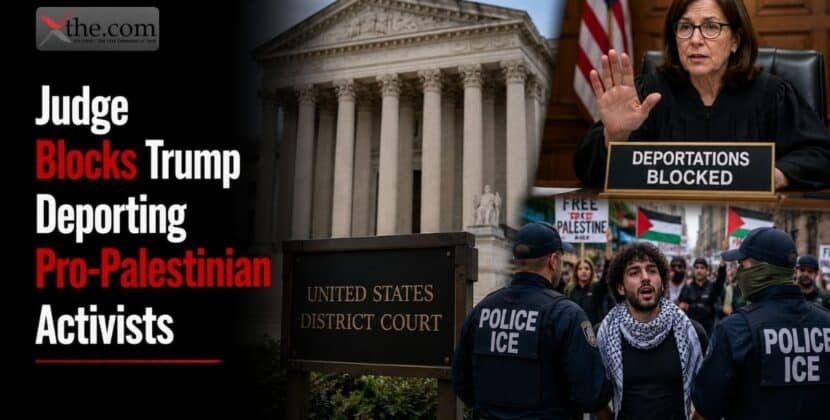
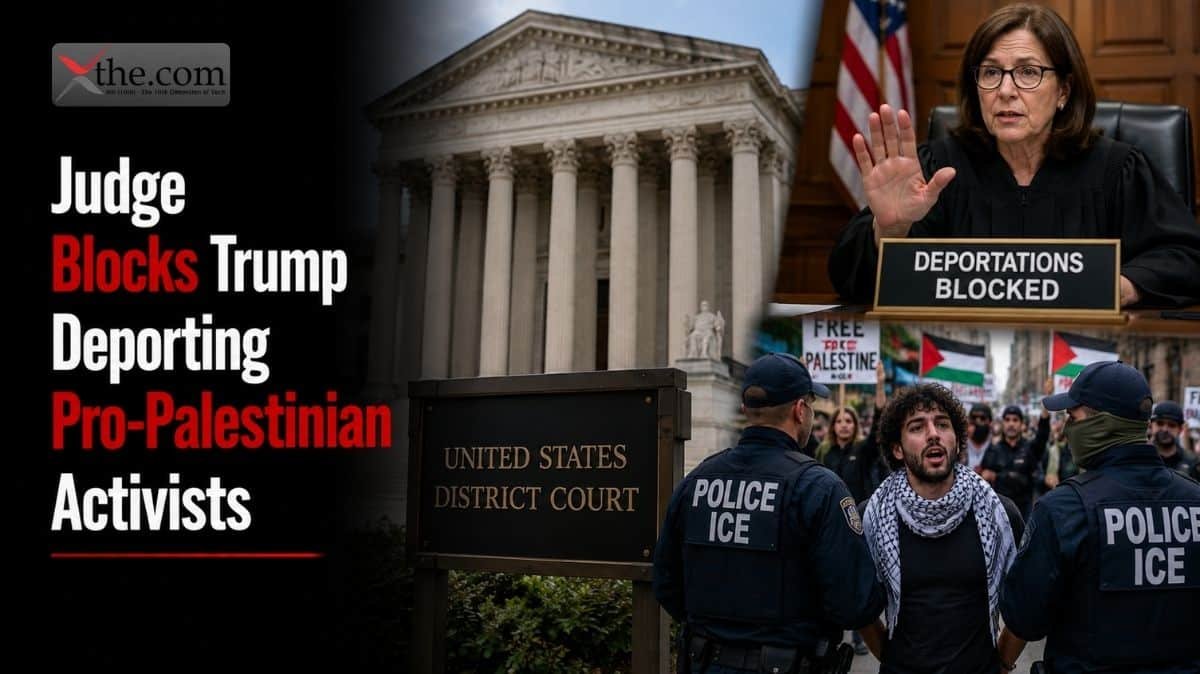
A federal judge dealt a significant blow to the Trump administration deportation efforts on August 29 2026 ruling that the government cannot use immigration law to target pro-Palestinian activists for their speech. The ruling represents a major victory for free speech advocates and immigrant rights organizations.
The decision by U.S. District Judge Michael Farbiarz bars the administration from using Secretary of State Marco Rubio authority to revoke visas and detain non-citizens based on their political views or protest activities. The case centers on the governments efforts to deport foreign students and activists who participated in pro-Palestinian demonstrations on college campuses.
Background of the Case
The Trump administration began revoking visas and detaining non-citizens who engaged in pro-Palestinian activism starting in March 2025. The campaign was part of a broader effort to crack down on campus protests related to the Israel-Palestine conflict and targeted students at major universities including Columbia University Stanford and Harvard.
The most high-profile case involved Mahmoud Khalil a Palestinian student at Columbia University who was detained by immigration authorities in early 2025. Khalil became a symbol of the administrations crackdown and his case drew international attention and widespread protests.
What the Judge Ruled
Judge Farbiarz ruling was sweeping in its scope. He found that the Trump administration deportation policy violated the First Amendment protections of free speech by targeting individuals based solely on their political views. The judge stated plainly that freedom of speech belongs to the people regardless of their immigration status.
The ruling specifically bars the administration from using immigration law as a tool to punish political dissent. The judge found that the governments actions were unconstitutional and that the use of visa revocations and detentions to suppress political speech set a dangerous precedent.
Implications for Free Speech
The decision has far-reaching implications for free speech protections in the United States. Legal experts say the ruling establishes a clear precedent that the government cannot use immigration law to silence political dissent even for non-citizens residing in the country.
Civil liberties organizations hailed the ruling as a victory for constitutional principles. The American Civil Liberties Union which represented some of the affected activists said the decision sends a clear message that the First Amendment applies to everyone in the United States not just citizens.
The Administrations Response
The Trump administration is expected to appeal the ruling and has signaled that it will continue to pursue its deportation policies through other legal avenues. White House officials have argued that national security concerns justify the use of immigration law against individuals deemed hostile to American interests.
Critics of the administration have argued that the deportation campaign was never about national security but was instead a politically motivated effort to silence critics of U.S. policy toward Israel. The ruling supports that view by finding that the governments stated justifications were pretextual.
Impact on Campus Protests
The ruling is expected to have a chilling effect on future administrations attempts to use immigration law to suppress campus protests. Universities and student organizations have been closely watching the case and the decision provides some reassurance that political speech on campus will be protected.
However some legal analysts caution that the ruling may be narrow in scope and could be overturned on appeal. The legal battle over the intersection of immigration law and free speech is likely to continue for years as the courts work to define the boundaries of government power in this area.
What This Means for Immigrants
For immigrants and visa holders in the United States the ruling provides important protections against government overreach. The decision makes it clear that non-citizens cannot be targeted for deportation simply because they exercise their constitutional right to free speech.
Immigration attorneys say the ruling will be cited in future cases involving immigrants who face deportation proceedings based on their political activities. It establishes a framework for challenging government actions that target individuals based on their views rather than their conduct.
Sources
The Broader Legal Battle
The ruling is part of a broader legal battle over the Trump administrations use of immigration law to target political dissent. Multiple federal courts have weighed in on various aspects of the administrations deportation policies with mixed results.
Earlier in 2026 Judge William Young ruled that the Trump administrations deportation policy violated the First Amendment in a separate case involving pro-Palestinian protesters. The rulings collectively suggest that the federal judiciary is pushing back against the administrations efforts to use immigration law as a tool of political repression.
Legal scholars say the cases raise fundamental questions about the extent to which the government can use its immigration powers to influence political debate. The outcome of these cases will shape the legal landscape for decades to come.
University Responses
Universities across the country have been caught in the middle of the political storm. Some institutions like Columbia University faced intense pressure from both the administration and student protesters. Others took more nuanced approaches attempting to balance free speech protections with maintaining campus order.
The ruling provides some clarity for university administrators who have struggled to navigate the competing demands of the administration protesters and their own institutional values. Many universities have affirmed their commitment to free speech while also emphasizing the importance of following the law.
Student organizations have welcomed the ruling but say the fight is far from over. Many activists remain concerned about the potential for future administrations to use similar tactics even if the current legal framework provides some protection.
International Reaction
The ruling has drawn attention from international observers who see it as a test case for free speech protections in democracies around the world. Human rights organizations have closely monitored the case and many have issued statements supporting the judges decision.
The European Union and several European governments have expressed concern about the Trump administrations immigration policies and the ruling is likely to be cited in international discussions about the protection of political speech.
The Road Ahead
While the ruling is a significant victory for free speech advocates the legal battle is far from over. The Trump administration is expected to appeal and the case could eventually reach the Supreme Court. The outcome will have profound implications for the balance between immigration enforcement and constitutional rights.
For now the ruling stands as a powerful reminder that the courts play a vital role in protecting individual rights against government overreach. As the legal battle continues the principles at stake in this case will remain at the forefront of the national conversation about democracy freedom and the rule of law.