





Ceasefire Collapses as Conflict Intensifies
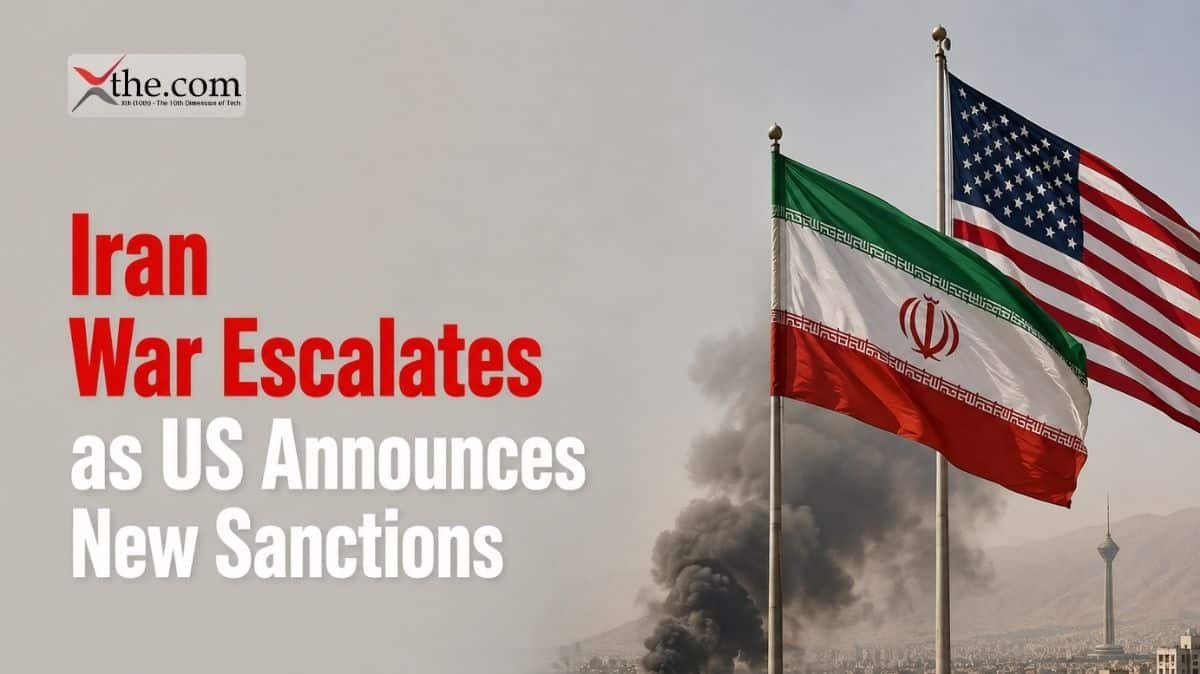
The military conflict between the United States, Israel, and Iran escalated dramatically in late August 2026 as a 60-day ceasefire expired on August 24 with no diplomatic resolution in sight. The Trump administration immediately announced a sweeping new round of economic sanctions against Iran, describing the measures as an economic D-Day against Tehran.
The ceasefire, which had been brokered in early 2026 following months of escalating military strikes, collapsed after both sides accused the other of violations. Iran claimed the US had continued intelligence operations and cyber attacks during the truce, while the US alleged Iran had resumed support for proxy attacks against American forces in the region.
Since the ceasefire expiration, military operations have resumed across multiple fronts. The renewed fighting has raised concerns about a broader regional war involving additional Middle Eastern nations and international powers.
The collapse of the ceasefire represents a significant failure of diplomacy. Multiple rounds of negotiations in Geneva and Oman had attempted to establish a framework for de-escalation, but fundamental disagreements over nuclear enrichment, sanctions relief, and regional security guarantees prevented agreement.
The New Sanctions Package
The latest sanctions package targets Iranian oil exports, banking sector, and technology imports. The measures are designed to severely restrict Iran revenue streams and ability to acquire dual-use technologies that could support its military programs.
Treasury Department officials stated that the sanctions would target any entity worldwide that conducts business with Iranian oil companies, effectively creating secondary sanctions that force international firms to choose between the US and Iranian markets.
The sanctions package also includes provisions targeting cryptocurrency networks that Iran has used to circumvent previous financial restrictions. Blockchain analytics firms have been engaged to trace and freeze Iranian digital asset holdings.
Analysts estimate that the combined effect of the new sanctions could reduce Iran oil revenue by up to 40 percent within six months, further straining an economy that has been under pressure from previous rounds of restrictions.
The cryptocurrency sanctions targeting represent a new frontier in economic warfare. Iran has increasingly used digital assets to bypass traditional financial system restrictions, and the new measures aim to close this loophole by targeting the technical infrastructure that enables cross-border crypto transactions.
Economic analysts estimate that Iran foreign currency reserves have fallen below $15 billion, the lowest level in decades. The combination of previous sanctions, reduced oil exports, and capital flight has severely constrained the Iranian government ability to finance military operations and maintain domestic subsidies.
Military Operations Resume
In the days following the ceasefire collapse, US and Israeli forces launched coordinated strikes against Iranian military infrastructure including missile sites, weapons depots, and command and control centers.
Iran responded with missile launches targeting US military bases in the region and proxy attacks against shipping in the Strait of Hormuz. The escalation in the Gulf has caused oil prices to spike above $100 per barrel for the first time since the conflict began.
The Pentagon has deployed additional naval assets to the Persian Gulf region, including two aircraft carrier strike groups and a submarine carrying cruise missiles. The military posture signals that the US is prepared for sustained operations if the conflict continues to escalate.
Civilian casualties on both sides have mounted as the fighting intensifies. Humanitarian organizations have called for an immediate return to negotiations, warning that the current trajectory threatens catastrophic consequences for the entire region.
Military casualties have mounted on both sides, though exact numbers remain difficult to verify independently. The Pentagon has confirmed several service member deaths while Iranian government casualty figures remain opaque. Independent estimates suggest hundreds of military personnel have been killed since the ceasefire collapsed.
The humanitarian cost extends beyond military casualties. Civilian infrastructure including hospitals, schools, and water treatment facilities have been damaged or destroyed in affected areas. International humanitarian organizations have called for the establishment of humanitarian corridors to deliver aid to affected populations.
International Response
The international community has expressed deep concern over the escalation. The United Nations Security Council held emergency sessions but was unable to issue a unified statement due to veto-wielding members being on opposite sides of the conflict.
European allies have urged restraint from both sides and offered to mediate new ceasefire negotiations. However, the Trump administration has signaled that it will not accept any diplomatic framework that leaves Iran capable of developing nuclear weapons.
China and Russia have criticized the US military operations and called for respect of Iranian sovereignty. Both nations have economic interests in Iran, particularly in the energy sector, and have warned that the sanctions could disrupt global supply chains.
Regional nations including Saudi Arabia, the UAE, and Jordan have maintained a careful balancing act, publicly calling for peace while privately expressing concern about Iranian military capabilities and the potential for the conflict to destabilize the broader Middle East.
The Gulf Cooperation Council nations have convened emergency sessions to discuss the regional implications of the escalation. Small Gulf states like Kuwait and Bahrain, which host US military bases, face particular vulnerability to potential Iranian retaliation.
Japan and South Korea, major energy importers from the Persian Gulf region, have expressed alarm at the impact on energy supply security. Both nations have announced strategic petroleum reserve releases to stabilize domestic energy markets.
Impact on Global Energy Markets
The renewed conflict and Strait of Hormuz tensions have sent shockwaves through global energy markets. Crude oil prices surged past $100 per barrel, and natural gas futures have spiked as markets price in the risk of extended supply disruptions.
The price spike is reverberating through the global economy, raising costs for transportation, manufacturing, and consumer goods. Economists warn that sustained high energy prices could tip major economies into recession, particularly in Europe and developing nations.
US oil producers have increased output to partially offset lost Iranian supply, but the shale industry is already near maximum capacity. The strategic petroleum reserve, which was partially depleted during previous crises, has limited room to provide additional relief.
Energy policy analysts note that the conflict is accelerating conversations about energy independence and renewable energy transitions. Several European nations have announced emergency programs to reduce dependence on fossil fuel imports.
The price spike is affecting consumers at the gas pump, with average US gasoline prices rising above $4.50 per gallon in many states. The price increases are adding to inflationary pressures that have been a central political concern for the American public.
What Happens Next
Military analysts assess that the conflict is likely to continue for months absent a major diplomatic breakthrough. The Iranian government has shown no willingness to negotiate on its nuclear program, while the US has made clear that military pressure will continue until Iranian behavior changes.
The economic toll is mounting for all parties. Iran economy is deteriorating rapidly under sanctions pressure, while US military spending on the conflict is adding to already significant budget deficits.
For Americans, the conflict represents a test of the America First doctrine that was central to Trump political brand. The president faces growing pressure from his own base, which opposed prolonged overseas military engagements, while also facing demands from allies and the defense establishment for sustained military action.
The coming weeks will be critical in determining whether the conflict escalates further or whether a new diplomatic window opens. In the meantime, the human and economic costs of the fighting continue to mount.
Public opinion polls show growing unease among Americans about the conflict. A recent Gallup survey found that 55 percent of respondents disapprove of the administration handling of the Iran situation, up from 42 percent at the start of the renewed military operations.
SOURCES