
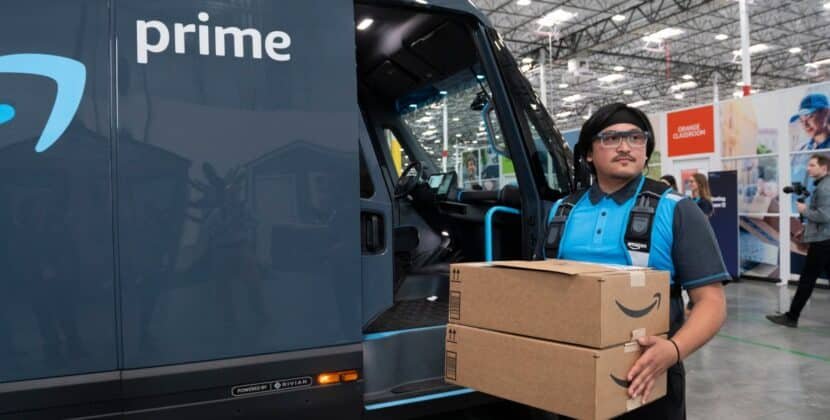





Amazon is trialling AI-powered delivery windows to improve the precision of product deliveries and enable rapid delivery to its customers. Amazon is leveraging artificial intelligence to calculate the optimal time to deliver packages, thus achieving more efficient operations, fewer missed deliveries, and improved overall customer satisfaction. This initiative demonstrates Amazon’s commitment to leveraging advanced technology in its logistics operations to respond to the growing demand for e-commerce.
Optimizing Deliveries with AI
Customer satisfaction largely depends on timely package delivery, so with Amazon’s current AI delivery model, it can deliver packages to homes and send them accordingly. This way, Amazon can predictively model delivery windows based on historical data and traffic conditions (including all modes of transportation) and then use real-time data to adjust routes and schedules.
The benefits of this go beyond just improving driver efficiency; they can significantly reduce the number of missed or unsuccessful deliveries through delivery route adjustments. In addition, because Amazon can better align customer availability with logistics resources in a planned, predictable way, it can improve both the reliability and convenience of its deliveries.
Enhancing the Customer Experience
AI-driven delivery windows provide customers with greater accuracy and convenience when receiving packages. Instead of just getting a timeframe that’s either too long or cannot be defined, customers will be able to get a smaller window to help them plan their day accordingly when they receive their package from Amazon. Having an accurate timeframe can help reduce any customer frustration and build more trust in the delivery service.
The delivery system is also designed to adapt to individual customers’ preferences. It can adapt based on previous deliveries to give more accurate predictions of how long someone might take to deliver a package. As individual customers receive more personalised predictions over time, their shopping and delivery experience could become increasingly seamless, potentially enhancing Amazon’s reputation for delivering innovation that puts the customer first.
Logistics Efficiency and Operational Benefits
AI-powered delivery windows optimize transportation efficiency by scheduling and routing shipments in real time, reducing excess fuel consumption and wasted idle time, and improving fleet utilisation. By implementing these solutions, businesses can also realise cost savings and invest in environmentally sustainable shipping methods.
Furthermore, predictive delivery management can be used during peak demand periods, such as holidays or large sales events, by helping customise scheduling based on anticipated volumes to better handle high-volume delivery and maintain service continuity.
Technology Behind the System
AI is used in Amazon’s logistics system through machine learning and real-time data from traffic, package tracking, and driver data. These constantly changing conditions are used to help determine dynamic deliveries and optimal routing for their packages and to verify proper window delivery times.
By using AI in its logistics, Amazon makes decisions more quickly and accurately, improving both operational performance and the overall customer experience.
Reducing Missed Deliveries
E-commerce companies face a persistent problem of missed deliveries and rescheduled deliveries for a second trip. Amazon uses artificial intelligence to predict when customers are likely to be home, so it can plan deliveries accordingly.
This helps both the customer and Amazon, as fewer repeat deliveries mean better service and increased efficiency for Amazon. The use of AI in this way contributes to more environmentally friendly operations by reducing travel and emissions.
Expanding AI Capabilities Across Logistics
Amazon’s AI delivery initiative is one of several ways the company is working to incorporate advanced technology into its logistics system. Many aspects of a logistics system can leverage AI to enhance efficiency, accuracy, and reliability at every step, including warehouse automation and last-mile delivery processes.
Possible future improvements will include better route planning, more accurate estimates and predictions of when delivery vehicles need to be serviced, and easier connection to smart home devices to enable safe, convenient drop-offs.
Competitive Context and Industry Implications
The demand for quick, trusted delivery of products and services from e-commerce retailers continues to grow and become an essential aspect of their businesses. Amazon’s AI-based delivery windows increase operational efficiency and create a competitive advantage by offering a differentiated customer service experience and enabling more efficient resource use.
Having the opportunity to try out many of these innovations as they become available, other retailers are likely to be encouraged to begin implementing AI in their logistics operations making AI-based logistics an expected standard in the industry and increasing customer expectations for accuracy, speed, and convenience.
Challenges in Implementation
The use of AI-based delivery systems can pose some difficulties. Building an accurate forecast involves gathering large amounts of data and developing advanced algorithms that can accommodate many variables associated with the delivery process (for example, driver availability, traffic conditions, and weather). To meet customer expectations, reliable and accurate systems must be developed.
Furthermore, effective integration of AI-based projections into human-based delivery operations can be demanding, as both the establishment of operational procedures and real-time communication will help ensure quality of service. Properly training human resources and adjusting existing processes are the major challenges in implementing these systems effectively.
Sustainability and Efficiency Gains
Last-mile delivery windows can also be optimised to improve environmental performance and reduce carbon emissions. By exclusively using delivery routes that provide fuel efficiency from your delivery vehicle, you can lower fuel consumption/gasoline usage and carbon dioxide emissions.
This helps Amazon achieve its overall sustainability objectives and highlights its commitment to making e-commerce convenient and responsible.
Looking Ahead: Smarter, Faster Shipping
By using machine learning to predict delivery times, Amazon is developing a better way to deliver goods. The combination of using machine learning solely for predictions and real-time geolocation & other predictive data will improve delivery speed and reliability, as well as customer satisfaction.
As artificial intelligence improves, we will likely see advances in delivery accuracy, new learning mechanisms based on customer behaviour,and smart home appliances.
Source: Amazon News