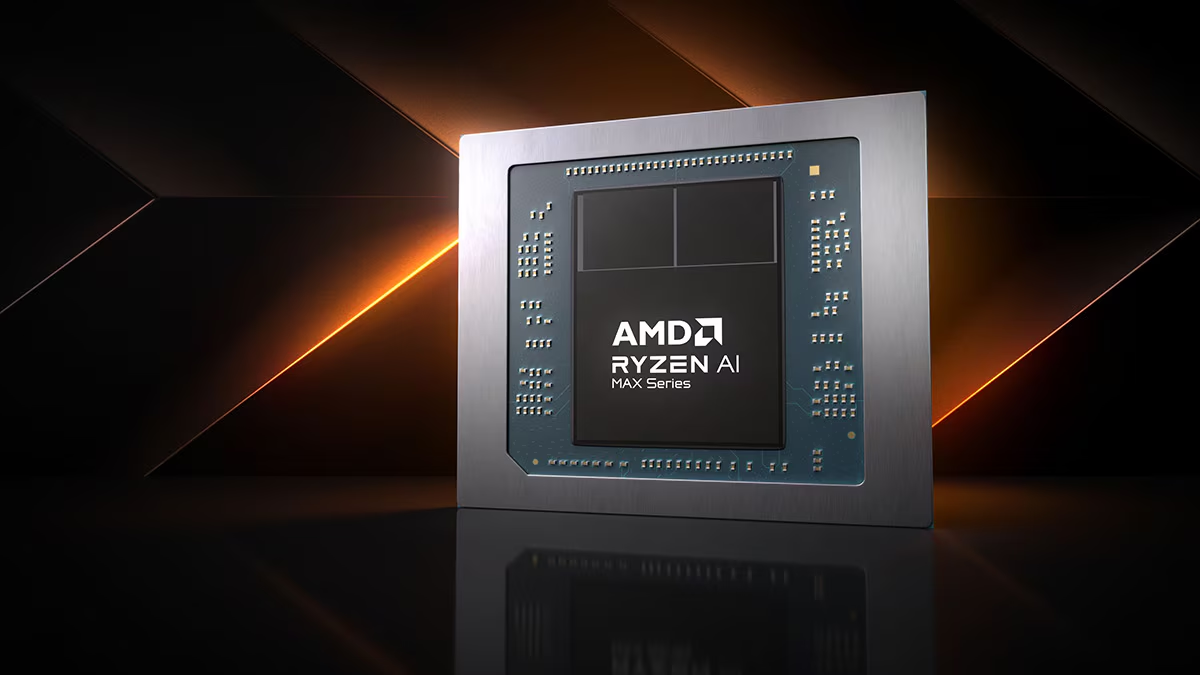
The latest development from AMD has introduced two major changes to processor performance and energy efficiency management. The company is introducing advanced AI-driven techniques into its latest Ryzen lineup, marking a major technological advancement for AMD’s AI chips.
The innovation enables systems to manage performance, power consumption, and workload distribution in real time via AI running directly on the processor architecture. The method demonstrates a transition to adaptive hardware systems that leverage intelligent technology as computing requirements constantly change.
The Evolution of CPU Optimization
The standard method for improving CPU performance requires predefined performance states and strict power management rules. The system operates effectively under regular workload conditions, but fails to support the dynamic resource needs of contemporary computing applications, which require adaptive performance.
New CPU performance optimization systems will provide processors with a mechanism to learn about user behavior and offer opportunities for increased efficiency through real-time, immediate system changes, enabling optimization based on data rather than fixed parameters.
The AMD AI chip development is considered a critical milestone to allow systems to achieve greater processing (performance) capability without the need to provide additional power to those systems.
How AI-Driven Optimization Works
An AI-based optimization system employs machine learning models that track system performance throughout the entire operational period. The system uses multiple data inputs, which include CPU core performance, memory usage, and thermal sensor measurements, to identify optimal operational settings.
The AI-based CPU optimization system adjusts clock speeds, voltage settings, and core usage based on current workload demands. This system allocates its resources to specific operational needs that require distribution.
The AMD AI chips execute their operations without user notice, enabling users to experience better performance and efficiency gains with no manual work required.
Enhancing Performance Through Intelligent Resource Allocation
AI-driven optimization delivers its main benefit by enabling better resource allocation across tasks. The system uses critical workload evaluation to determine which tasks receive priority processing while it manages system efficiency.
The design of AMD AI chips depends on this capability because intelligent resource management enables the chip to maintain its performance levels.
CPU optimization AI enables processors to manage multiple complex tasks, including multitasking, content creation, and AI processing, resulting in a smoother, faster user experience.
Energy Efficiency and Sustainability Benefits
Modern processor design now dedicates most of its resources toward developing energy-efficient systems suitable for both mobile applications and data center environments. The AI-powered optimization system reduces energy consumption by identifying and eliminating unused resources.
The CPU optimization AI system AMD implemented enables its AI chips to achieve better performance by reducing unnecessary energy consumption and lowering power demand across the entire system.
The system reduces energy consumption across all computing environments, extending battery life for portable devices and supporting environmental sustainability.
Integration with Operating Systems and Kernel-Level Support
The success of AI-based optimization methods requires their complete integration with both operating systems and system software components. The hardware-software interface requires kernel-level support to establish essential communication links between these two system components.
AMD AI chips optimize performance by working with system processes across different applications. AI-based CPU optimization improves system performance by affecting CPU performance and overall system operation.
The complete system optimization process ensures uniform implementation, leading to improved performance and operational efficiency.
Impact on Battery Life and Mobile Computing
The integrated power management systems allow laptops and devices to save energy and hence prolong the life of the battery.
Optimizing with AI reduces power consumption for tasks that require less power, whilst still maintaining full system capability during high-power demand, helping keep the device working without losing its ability to perform as designed.
AI that is optimized for CPU usage allows AMD’s AI chips to execute operations quickly while also using less electrical energy because the devices can change depending on how the devices are used and therefore can save a great deal of energy in addition to being able to do the same work as before due to the devices remaining powered on. This is helpful for users who need to keep their devices running continuously without being able to recharge the battery.
Challenges in Implementing AI Optimization
The implementation of AI-driven optimization systems offers substantial advantages to organizations but poses multiple challenges for their implementation. The development of accurate predictive models requires large datasets, which scientists must create through ongoing research efforts.
The team must find a way to achieve better performance results while maintaining system stability. The system will experience problems when users apply optimization methods that exceed reasonable limits.
AMD requires its AI chips to function correctly under all operational conditions that different workloads will create. The CPU optimization AI system needs to maintain user experience while it operates under different environmental conditions.
Competitive Implications in the Processor Market
The industry trend shows that companies are adopting AI technology for their hardware operations. The increasing complexity of processors requires new optimization methods, as traditional approaches fail to deliver the performance and efficiency required.
AMD uses CPU optimization AI to create products that function as more intelligent and adaptive systems than standard processors.
The development of AMD AI chips will most likely push competing companies to adopt similar approaches, leading to faster technological progress across the sector.
Conclusion: Intelligent Processing for the Next Generation
The latest advancements from AMD highlight a significant shift in processor design. The company developed a system that uses AI-based CPU optimization to enhance its architectural design, enabling better control over system performance and energy consumption.
The development of AMD AI chips shows a broader trend toward smart hardware that adapts to users’ needs.
The continuous development of AI technology in computing systems needs these technological breakthroughs to build future processors that operate more efficiently and respond faster while maintaining environmental sustainability.