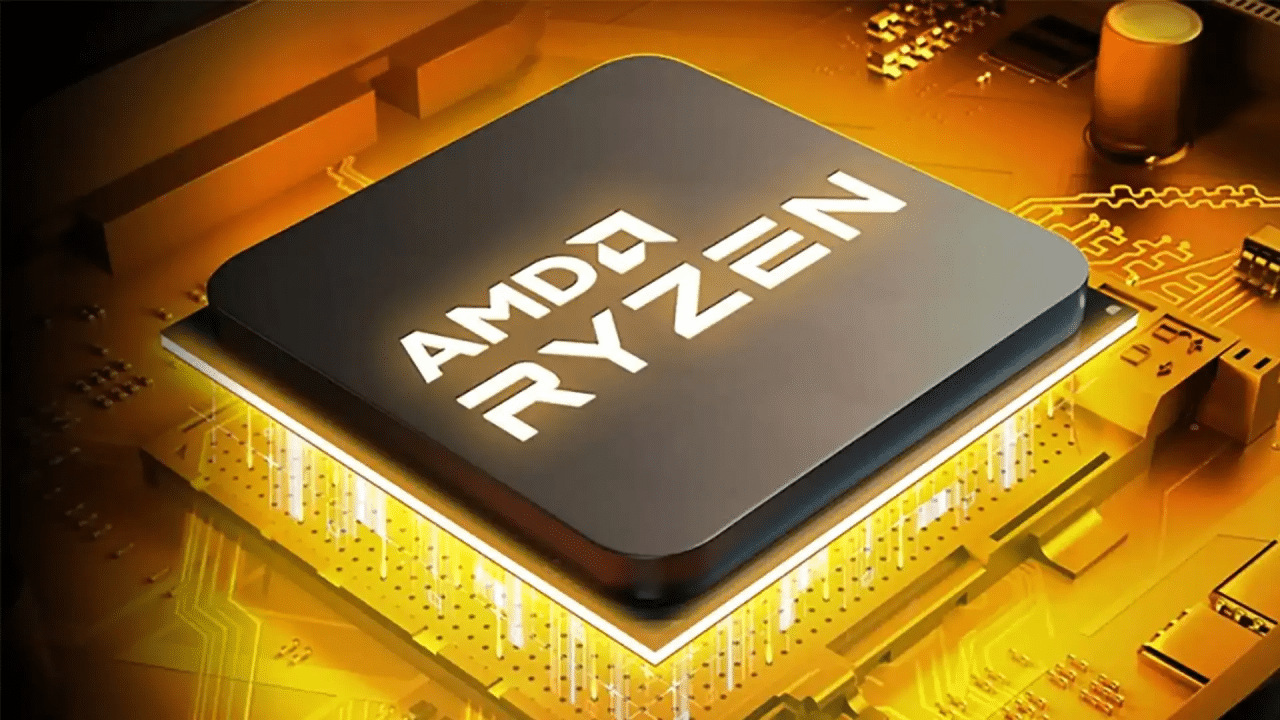
The latest AMD development demonstrates a significant advancement toward achieving energy-efficient computing. The latest news confirms that the next Ryzen processors will use AI-based power control, enabling systems to manage energy use at fine-grained levels.
The AMD AI CPU development process depends on this innovation, which uses artificial intelligence for both application purposes and processor performance optimization. AMD aims to enhance chip performance through power-optimization AI, which it plans to integrate directly into its semiconductor designs.
Rethinking Power Management in Modern CPUs
Traditional CPUs use fixed power states, which they manage through unchanging static techniques. The existing methods perform their current functions, but they cannot adapt their operations to sudden changes in user demand.
Power-optimization AI enables processors to monitor their operational patterns from actual usage data and dynamically adjust power allocation. The chip can operate its components by switching them on or off as required.
The AMD AI CPU creates an advanced system that automatically manages its performance needs and energy consumption.
How AI Power Gating Works
The AI power-gating system achieves energy savings by deactivating processor components that are not currently in use. AI systems operate through continuous learning, adapting to new information rather than adhering to established operational rules.
The concept is closely tied to adaptive cores, in which different cores within a CPU are optimized for specific tasks. The AI system determines which cores should be active and which should power down based on the workload’s intensity. The power-optimization AI system uses this method to improve energy efficiency by supplying energy only when needed, reducing energy waste, and enhancing operational performance.
Impact on Battery Life and Mobility
The first advantage that AI-based power management systems provide to users is extended battery performance. The efficiency of portable devices that use Ryzen chips will improve during light and mixed workloads.
Laptops now achieve extended runtime through the implementation of Ryzen AI battery enhancements that maintain their operational speed. The AMD AI CPU system achieves efficient power management to maintain steady operational capabilities while reducing energy utilization.
This feature provides high value for users who need to operate their devices throughout the day without access to charging facilities.
Performance Gains Through Intelligent Optimization
The main purpose of AI power gating is to improve efficiency, yet it also delivers better results. The system achieves better task execution by its resource allocation method, which directs processing power to essential tasks.
The adaptive core system, together with power optimization AI, delivers a dynamic response system that helps the processor handle changing workloads. Users will experience improved multitasking capabilities due to faster application performance and reduced processing delays.
The AMD AI CPU delivers a faster, more efficient computing experience across multiple software applications.
Integration with Operating Systems and Software
The success of AI-based power management systems depends on their ability to work together with operating systems and software applications. The system requires kernel-level updates together with system drivers to establish real-time connections between its hardware and software components.
The AMD AI CPU uses this integration to manage power consumption by working with system processes across different applications. Power-optimization AI affects system performance because its functions extend beyond the processor to affect all system components.
The comprehensive method guarantees that energy-saving advances will benefit every part of computer operations.
Challenges in AI Power Gating Implementation
Implementing AI-powered power-gating systems poses multiple challenges despite their benefits. The process of creating reliable predictive systems requires both comprehensive data collection and ongoing system improvement.
The system must achieve two goals by doing its work. The system experiences operational delays because power gating functions at maximum strength when it needs to restore core functionality.
System stability remains essential because adaptive core systems require it for safe operation. The AMD AI CPU needs to deliver stable performance throughout different processing tasks while decreasing power consumption.
Competitive Landscape and Industry Trends
The AMD decision demonstrates that the entire industry is beginning to adopt AI technology for use in hardware systems. The increasing complexity of modern processors renders existing power management methods ineffective.
AMD has developed power-optimization AI tools, enabling the company to compete in markets that require both energy efficiency and high performance.
AMD uses Ryzen AI battery technology to target both advanced computing and portable device markets, enabling the company to expand its presence across product categories.
Future Potential of AI-Driven CPUs
The introduction of AI power-gating technology represents a significant advancement in processor design. Future research will lead to the creation of better dynamic optimization systems, which can modify complete system designs during active operations.
The AMD AI CPU will achieve better AI integration throughout all its processing units, including its core components and memory controller systems. Power optimization
AI development will transform the way computing systems achieve performance efficiency and environmentally friendly operation.
Conclusion: Smarter Power for Next-Generation Computing
The most recent technological developments from AMD demonstrate a complete transformation of processor design. The company has developed AI-driven power-gating technology that enables complete energy management for contemporary computing systems.
The adoption of power-optimization AI technology in AMD AI CPU design enables the creation of smarter hardware that can adapt its functions to user requirements in real time.
The new approach enables efficient computing by leveraging AI to enhance all aspects of system performance, improving battery life and system speed.