






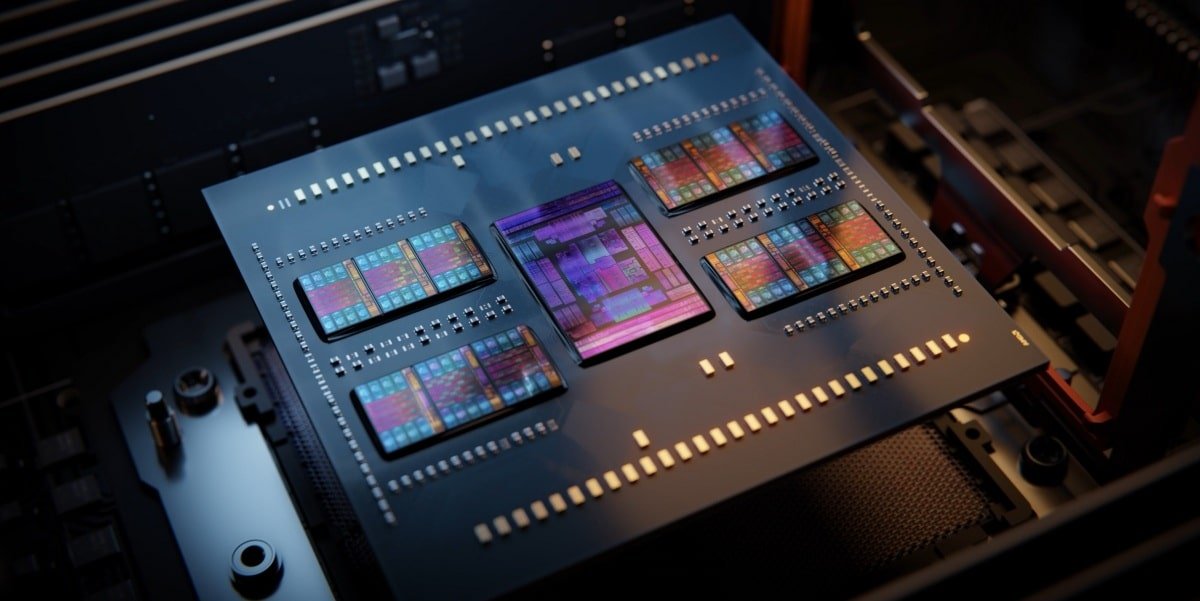
A recent USPTO filing from Advanced Micro Devices reveals early work on a future-ready AMD CPU platform designed to support PCIe 6.0 and evolving I/O standards. The patent reflects broader industry momentum toward next-gen processors capable of handling massive data throughput. This direction is particularly relevant for data center CPU deployments that demand scalable performance. At its core, the innovation highlights the need for chip architecture to adapt to growing computational demands.
The Role of PCIe 6.0 in Future Systems
Doubling Bandwidth for Emerging Workloads.
PCIe 6.0 greatly increases data transfer speeds over earlier versions. It enables processors, storage, and accelerators to communicate more quickly, which is key for tasks that require fast data movement. AMD CPU platforms using PCIe 6.0 will see lower latency and higher throughput.
Using PCIe 6.0 helps enterprises scale their systems more efficiently. As data keeps growing, faster interfaces are a must. PCIe 6.0 makes sure hardware can keep up and sets the stage for more advanced computing.
Evolving Socket Designs for Compatibility
Adapting to Changing Hardware Requirements
Moving to PCIe 6.0 means sockets need to support new interfaces, calling for updated physical and electrical designs to handle faster data and better signal integrity. Manufacturers have to innovate while still supporting older hardware.
Changes in socket design affect how and when companies upgrade their systems. Organizations should plan upgrades carefully to avoid disruptions. Aligning hardware investments with long-term goals can save money and help systems last longer.
High Speed Interconnects and System Performance
Enabling Faster Data Movement
High-speed interconnects are key to today’s computing. They help different parts of a system communicate quickly. PCIe 6.0 makes these connections even more important, allowing many devices to work together smoothly.
These fast interconnects also boost overall performance by reducing bottlenecks that slow down complex tasks. This matters most for data-heavy applications. Systems with these features can deliver steadier results.
Implications for AI Hardware Infrastructure
Supporting Advanced Workloads
As AI hardware grows, there’s more need for faster, more efficient systems. PCIe 6.0 helps meet these needs by enabling processors to handle large datasets with less delay. This is crucial for training and running AI models.
AI hardware also gets better scalability. Systems can add more accelerators and storage without major redesigns, enabling organizations to expand their capabilities and handle more complex tasks across industries.
Aligning With The CPU Roadmap
Preparing For Future Generations
The patent fits well with AMD’s overall CPU plans. It shows a long-term goal to add I/O standards to future chips. This keeps processors up to date as tech changes and gives developers and partners a clear path forward.
A clear CPU roadmap helps companies plan their tech investments. It reduces uncertainty and leads to better decisions. Knowing what’s coming helps businesses stay ahead, which is vital in fast-changing tech fields.
Enterprise Computing and Scalability
Meeting Growing Demands
Enterprise systems need to scale well, and PCIe 6.0 helps by providing greater bandwidth and lower latency. This supports many uses, from data analytics to cloud services, and helps make better use of resources.
Enterprise computing also becomes more reliable with faster interfaces, reducing the risk of slowdowns. This means systems run smoothly even when busy, so organizations can offer better, more consistent services.
Data Center CPU Evolution
Redefining Performance Standards
PCIe 6.0 will change what people expect from data center CPUs. Systems will have to manage larger datasets and heavier workloads, so processor design will need to focus more on efficiency and scalability.
A modern AMD CPU platform needs to gradually improve these features, such as advanced interconnects and better memory management. This helps it handle new applications and stay competitive over time.
Infrastructure Planning Challenges
Managing Rapid Technological Change
Fast hardware changes make planning tough. Organizations have to meet today’s needs while preparing for the future. Moving to PCIe 6.0 shows why it’s important to plan ahead, or systems could become outdated fast.
Planning for hardware should consider these changes, including checking compatibility, performance, and costs. This helps organizations avoid future slowdowns and makes moving to new tech smoother.
Conclusion: Preparing for the Next Phase of Computing
Adapting to Faster Interfaces
Switching to PCIe 6.0 marks a new phase for faster data transfer. Systems need to change to make the most of it. Companies that adapt early will see better performance and efficiency.
Aligning Strategy With Innovation
An AMD CPU platform that looks ahead shows the need for ongoing innovation. Adding advanced standards to chip design keeps it useful for both today’s and tomorrow’s workloads.
Building Scalable Infrastructure
As enterprise computing and AI hardware grow, scalability becomes increasingly important. Fast interconnects and smart socket design will shape what comes next. Organizations that plan well can avoid slowdowns and stay ahead.








