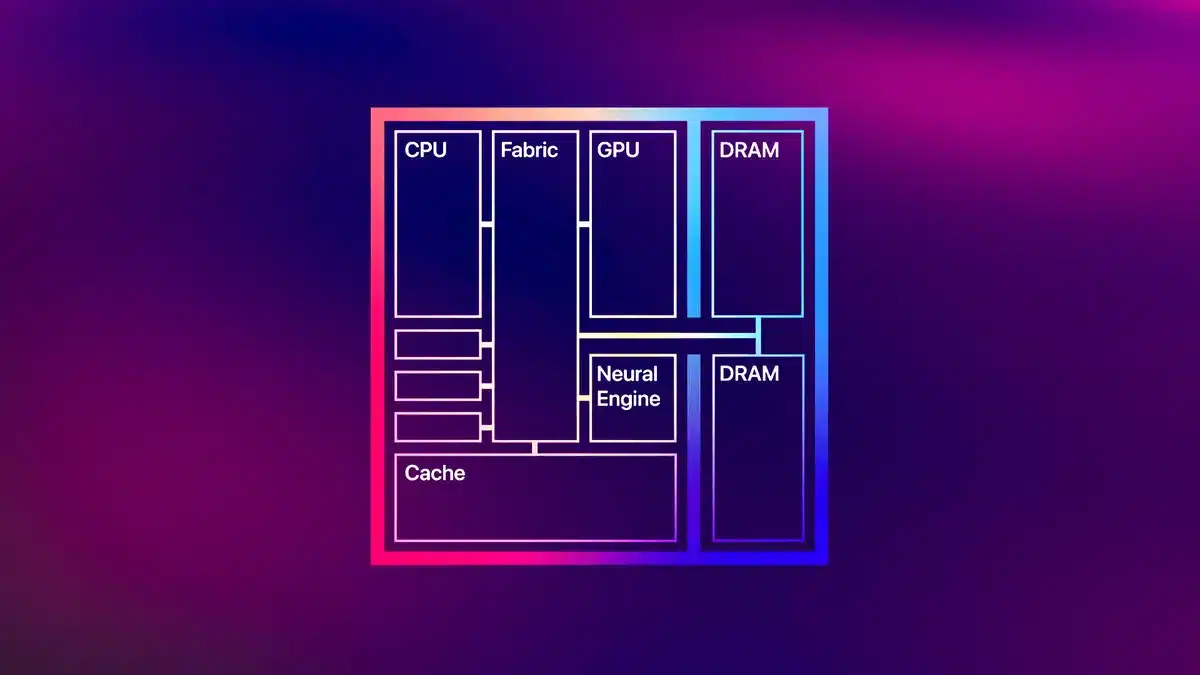
Apple is developing a new approach to system performance through its research into artificial intelligence, which is helping the company improve memory management in its newest devices. Early signals suggest that upcoming Macs may feature Apple AI memory systems designed to dynamically compress and manage data in real time.
This development shows how intelligence will become a fundamental part of computer processing design. Apple uses AI technology to improve Mac efficiency and responsiveness, and overall AI performance, rather than relying on hardware upgrades.
Rethinking Memory Management in Modern Macs
Traditional memory management systems operate using two methods that combine static memory allocation with predefined rules for data compression. The existing methods provide successful outcomes, but they fail to handle changing work patterns and user usage patterns.
The introduction of Apple AI memory marks a move toward adaptive systems that can learn and continuously optimize. AI-driven models analyze usage patterns to determine the optimal memory allocation and compression methods at any given time.
The method improves resource utilization, enhancing Mac AI performance across numerous applications.
How AI Memory Compression Works
AI-based memory compression systems employ machine learning algorithms to determine which data elements can be compressed without disrupting system performance. The system creates a priority list of essential data, which it compresses at a higher level than it treats nonessential information.
The Apple AI memory system can also predict future usage patterns, allowing it to prepare resources in advance. The system reduces latency while maintaining smooth performance during both multitasking and resource-demanding operations.
The combination of improved processing speed and intelligent resource handling creates better Mac AI performance.
Integration with macOS and System Architecture
The main advantage of Apple is that it can create products that combine hardware components and software. AI-based memory systems achieve their maximum performance only when their components work together without interruption.
Apple AI memory enables macOS to manage memory through allocation, compression, and retrieval. The system safeguards proper functioning because AI systems make decisions that follow its established priorities.
The system requires this integration because it enables Mac AI to maintain stability as it adapts to new environmental factors.
Impact on Multitasking and Application Performance
Modern computing environments require multiple applications to run simultaneously, which can lead to memory contention. The system experiences performance problems when it fails to manage memory resources, resulting in operational delays, system crashes, and performance degradation.
Mac computers achieve better multitasking through Apple AI memory technology. The system uses intelligent resource allocation to guarantee that essential applications get prioritized access while handling less critical tasks through appropriate resource management.
The combination of improved workflow processes and increased Mac AI performance delivers better results for users working on demanding projects such as video editing, software development, and AI-based tasks.
Efficiency Gains and Energy Optimization
AI-driven memory compression delivers major energy efficiency benefits through its implementation. The system achieves its primary energy-reduction goal by reducing excessive data transfers while more effectively managing resources.
The system provides extended battery life for portable devices while maintaining their operational capabilities. The Apple AI memory system uses energy efficiently, supporting Apple’s commitment to environmental sustainability.
The combination of enhanced Mac AI performance and advanced energy management systems delivers users a more efficient and balanced computing experience.
Developer Implications and Ecosystem Impact
The introduction of AI-driven memory systems will influence how developers design applications. Software developers must optimize their products to utilize Apple AI memory, which will maintain system compatibility and performance standardization.
Developers can leverage Apple-provided tools and frameworks to integrate their applications with system-level AI features. This enables more adaptive and efficient software experiences.
The Mac AI performance enhancements will extend their benefits across the operating system and all applications.
Challenges and Technical Considerations
AI-driven memory compression poses implementation challenges that must be addressed before its benefits can be realized. Building predictive models that meet high-accuracy standards requires both extensive data collection and ongoing model improvement.
The system development process introduces additional difficulties through its tendency to create complex operational structures. User confidence in Apple’s AI memory system depends on its ability to perform reliably under all operational conditions.
The process requires developers to strike a balance between two important aspects. When data compression exceeds appropriate levels, it can cause delays during data access, resulting in decreased performance for Mac AI systems.
Competitive Landscape and Industry Trends
The technology industry now shows a widespread trend, driven by Apple’s dedication to developing AI-based system-optimization methods. As hardware improvements reach physical limits, companies are increasingly turning to software and AI to enhance performance.
With its AI memory system integration, Apple has established itself as a dominant force in the field, setting new benchmarks for contemporary computer memory management.
Competitors may follow suit, adopting similar approaches to improve Mac AI performance equivalents in their own devices.
Conclusion: Smarter Memory for Smarter Computing
The introduction of AI-driven memory compression represents a major advancement for personal computing. Apple transforms performance and efficiency standards by implementing Apple AI memory across its operational systems.
The enhancements to Mac AI performance demonstrate how AI technology can improve essential system functions, enabling devices to operate faster and more effectively.
AI-based memory systems will evolve into essential components of future technology because their ongoing development will continue to drive fundamental shifts in computing systems.
Sources: Apple Latest News
Now Available: Monthly Subscriptions with a 12-Month Commitment