



Round Rock, TX.
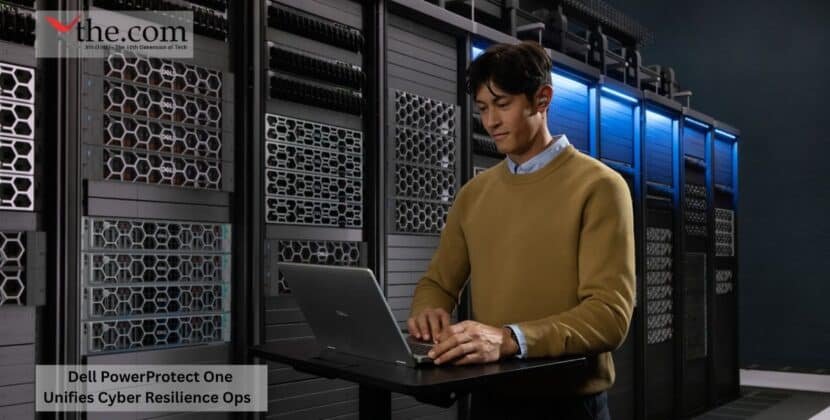
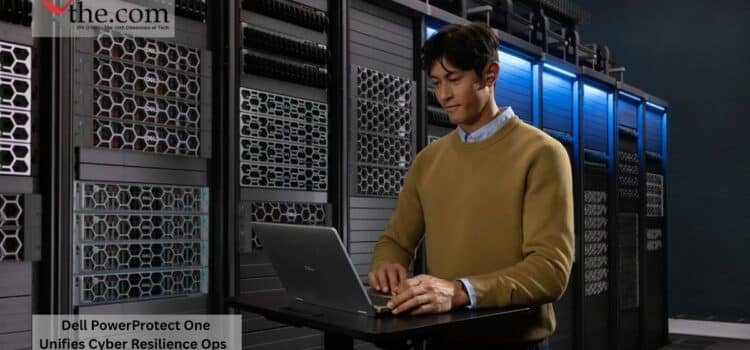
Atomic Answer: Dell Technologies (DELL) launched its next-generation PowerProtect One cyber resilience framework on May 19, consolidating its distinct multi-tenant backup software and physical storage arrays under a single control plane. The enterprise security suite integrates advanced “cyber detect” machine learning modules that parse system logs at the byte level with 99.99% accuracy to instantly flag inbound ransomware signals. This consolidated architectural framework drastically reduces infrastructure recovery time by mapping untainted historical restoration targets across native hybrid networks.
Ransomware attacks usually start quietly. Often, it begins with a stolen credential hidden in a backup administrator’s inbox in the middle of the night. By morning, virtual machines, fail checks, and recovery systems stop working, and leaders discover the backup environment is already infected.
That scenario explains why enterprises are now aggressively spending on hybrid cloud defense and enterprise ransomware isolation rather than relying solely on traditional perimeter security. Dell Technologies’ latest platform launch, tied to the Dell PowerProtect One Enterprise Data Center Infrastructure Security on May 19, reflects that shift directly. The company is consolidating backup, cyber recovery, and operational visibility into one coordinated resilience architecture designed for modern enterprise infrastructure.
Why Dell Is Consolidating Cyber Recovery Operations
Large companies no longer rely on just one data center. Financial systems might run on private servers; customer apps might run in large cloud environments, and compliance records might be stored in different regions. This spread creates blind spots during attacks.
Dell’s PowerProtect One aims to close these gaps by unifying resilience operations across different environments through a large control plane.
What matters more are the real-world benefits, not just the name.
For example, a healthcare provider running a patient management system in three clouds cannot risk having separate recovery processes during a ransomware attack. Security teams need a single place to view backup health, workload status, and recovery stats without switching between tools.
Dell seems to focus on coordinating operations instead of just offering separate security tools. This difference matters as companies now care more about recovering quickly than just detecting threats in theory.
Hybrid Cloud Defense Is Becoming an Infrastructure Requirement.
The hybrid cloud defense market has changed significantly over the last three years. Companies used to see backups as passive insurance. Now they treat them as active systems that need constant monitoring and checks.
This is why Dell’s integration strategy is now so important for businesses.
PowerProtect One is said to bring together secure storage arrays, automated recovery, and policy controls into a single resilience layer. Instead of juggling separate backup systems, companies can manage everything through one central system.
Consider a multinational retailer processing holiday transactions across a hybrid infrastructure. If ransomware encrypts regional inventory databases during peak demand, IT teams cannot spend six hours determining which recovery images remain trustworthy.
They need instant automated checks.
Dell’s platform reportedly addresses this by using backup validation algorithms that detect those changes before recovery begins. This could help avoid the costly mistake of restoring old backups into live systems.
The Operational Value of Byte-Level Visibility.
One of the more technically important capabilities involves byte-level telemetry tracking.
Most older systems only watch at the application or workload level.
New ransomware often operates below that, slowly changing the contents of the hard drive to avoid detection.
Dell’s system is built to watch detailed storage changes in backup and recovery areas.
For security teams, this could provide earlier warnings of threats moving through systems or of unauthorized encryption.
Picture a manufacturing company running ERP systems in North America and Europe.
An attacker slowly changes backup data over weeks, staying under the radar of standard security tools.
Without detailed tracking, admins might not notice the problem until recovery fails during an outage.
This is why companies now want closer links between systems monitoring and enterprise ransomware isolation strategies.
Disaster Recovery Pipelines Are Becoming Automated.
Another big change is the move toward automated recovery.
In the past, recovery relied on manual collaboration among storage, network, and security staff during an attack. These handoffs caused delays and longer downtime.
Dell’s platform focuses on automated disaster recovery pipelines that manage recovery steps across different parts of the infrastructure.
For example, a bank hit by ransomware might need to restore login services before databases, check compliance records before reconnecting payment systems, and separate suspicious systems before letting employees back in.
Doing these steps by hand adds risk at every turn.
Automated orchestration reduces scattered response steps and makes recovery more consistent, even under pressure. Matters because modern cyber attacks increasingly target the organizational response capacity itself, not merely infrastructure vulnerabilities.
Dell’s Strategy Reflects a Larger Enterprise Reality
The release of Dell 4.1 on May 19 marks a bigger change in how companies plan their IT. Cyber Reliance stressed that cyber resilience is no longer just an IT responsibility. It now shapes how organizations build storage, recovery, and operations.
Leaders now judge resilience spending by financial impact, not just technical measures. Downtime, regulatory risks, contract fines, and supply chain problems often cost more than the attack itself.
This is why more companies want platforms that combine hybrid cloud defense, secure storage, backup checks, and ransomware isolation into one system.
Dell’s strategy shows that future security will focus less on finding threats and more on keeping business running during tough times. The companies that recover faster may end up ahead of those that only spot attacks quickly.
Technical Stack Checklist
- Reconfigure primary storage array nodes to pipe telemetry metadata directly into the new dashboard.
- Verify backup validation algorithms to guarantee air-gapped system copies remain clean.
- Align current enterprise disaster recovery pipelines with the single control plane architecture.
- Run automated stress tests to monitor byte-level inspection speeds under high data transfer loads.
- Transition secondary management access credentials into the centralized security portal framework.
Source: Press Release Details