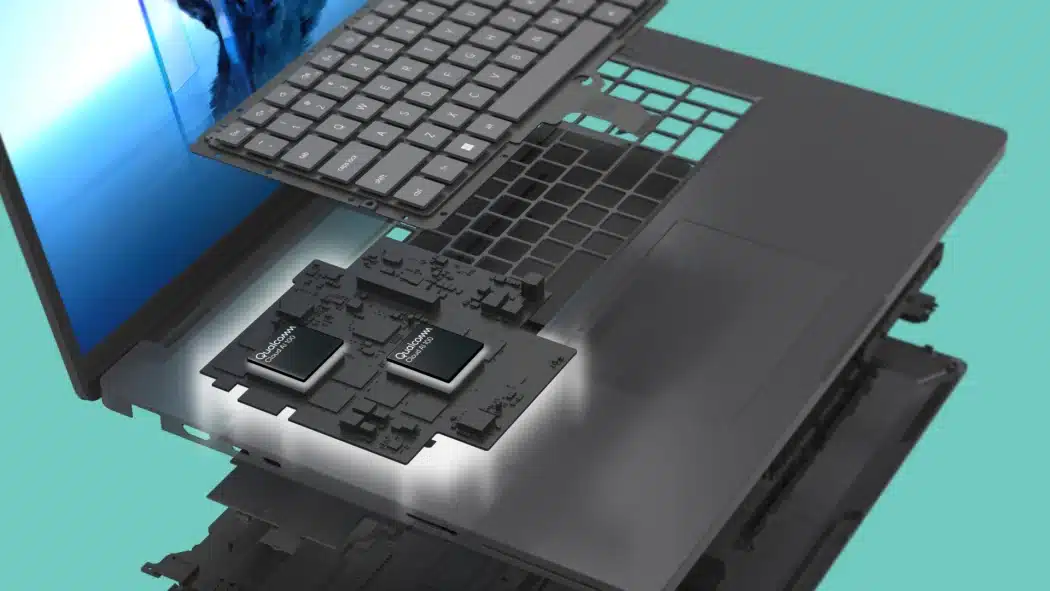
Dell has introduced its latest laptop engineering innovations through its first prototype reports, which show its experiments with AI-based thermal systems for its premium product range. The research focuses on AI thermal laptops that use cutting-edge technology to control heat distribution across the system, improving performance and reliability.
The development centers on Dell XPS AI cooling, which aims to develop new thermal control methods to enhance overall computing performance. The systems use real-time workload adaptation rather than fixed fan settings and established cooling methods.
Moving Beyond Traditional Cooling Systems
Laptop cooling systems follow standard design guidelines that establish specific operational specifications. The system uses preset operational limits to control its main components, which include fans, heat pipes, and vents, but these components respond to temperature fluctuations instead of using predictive temperature models.
The introduction of AI thermal laptops changes this model entirely. The system uses machine learning algorithms to forecast heat production patterns, enabling it to implement cooling solutions before heat is generated.
The predictive system that Dell XPS AI cooling uses creates a distinct advantage by enabling better, more effective thermal management than standard procedures.
How AI Thermal Routing Works
The AI system uses continuous system activity tracking, which includes CPU usage, GPU load, and memory operations, as its monitoring system. The system uses these inputs to identify potential heat-accumulation areas and to create procedures for their heat management.
The heat-routing AI system directs thermal energy away from critical components to achieve uniform thermal distribution across the system. The system can adjust fan speeds, shift workloads, and change power delivery parameters during active operations.
The AI thermal system in laptops operates continuously, maintaining consistent performance during intense workloads.
Impact on Laptop Performance
The thermal efficiency of a laptop directly affects its performance capabilities. Thermal throttling occurs when systems reach high temperatures, necessitating a decrease in processing speed as a protective measure.
The Dell XPS AI cooling system delivers better performance through enhanced heat management, reducing throttling and enabling extended high-performance periods. This requirement becomes essential when performing video editing, playing video games, and using AI-powered software, which continuously demand processing resources.
The implementation of heat-routing AI technology ensures that performance improvements will persist over extended operational periods.
Enhancing User Experience and Reliability
The user experience benefits from effective thermal management, which goes beyond its impact on system performance. Laptops that maintain lower temperatures provide users with a quieter experience, greater comfort, and protection of their hardware throughout their operational life.
AI thermal laptops offer two benefits: reduced sudden system slowdowns and steady system performance. The adaptive cooling system in Dell XPS AI technology enables it to respond to environmental changes, improving operational performance and system stability.
This process will extend the operational life of devices by reducing damage to their internal components from normal use.
Integration with Hardware and Software
The successful operation of AI-based thermal systems requires the complete integration of their hardware and software components.
The system requirements for Dell XPS AI cooling depend on advanced firmware algorithms that operate together with system monitoring tools. The components deliver information to the heat routing AI system, enabling precise management of temperature fluctuations.
The system achieves precise, effective cooling adjustments through its successful integration, thereby preventing unnecessary energy use.
Challenges in Implementing AI Cooling
The AI-based thermal system solution shows potential, but its actual deployment requires addressing several challenges. The process of creating precise predictive models demands both extensive data collection and ongoing model improvements.
The system needs to achieve its performance improvements while maintaining energy conservation. Excessive cooling system operation will increase energy consumption, reducing the advantages of AI-powered thermal laptops.
Maintaining stable operations is essential. The Dell XPS AI cooling system needs to function properly across multiple usage scenarios, which range from low-demand tasks to high-demand processing activities.
Competitive Landscape and Industry Trends
Dell’s testing work shows that the company follows the market practice of using artificial intelligence to enhance essential system operations across its business. The growing power capacity of modern laptops requires more sophisticated methods to control their internal temperature system.
The premium laptop market will see its competitive landscape shift as heat-routing AI technology offers significant advantages, boosting both performance and energy efficiency.
Dell aims to lead the AI thermal laptop market through its current thermal management work that will establish new standards for portable computer cooling technology.
Future Potential of AI Thermal Systems
The long-term potential of AI-driven thermal management systems extends beyond their current application in laptop computers. The same methods that work for laptops can also be used to create thermal solutions for desktop computers, data centers, and mobile devices.
The development of Dell XPS AI cooling technology for laptops will enable designers to create thinner models, as improved heat management will eliminate the need for heavy cooling equipment.
The increasing performance of laptops will make intelligent thermal systems essential for maintaining technological advances.
Conclusion: Smarter Cooling for Smarter Devices
Dell has made a major advancement in laptop development through its research of AI-enabled thermal routing technology. The company solves one of the main problems affecting portable computers by combining AI thermal laptop technology with Dell XPS AI cooling systems.
The application of heat-routing AI delivers performance benefits while simultaneously boosting efficiency, system reliability, and user satisfaction. As technology matures, laptop thermal management systems will revolutionize laptop performance, enabling continuous performance.
Next-generation devices will rely on intelligent thermal management systems to achieve their objectives of delivering both power and portability in a market that demands both attributes.
Sources: Dell Blog