






Mountain View, CA.
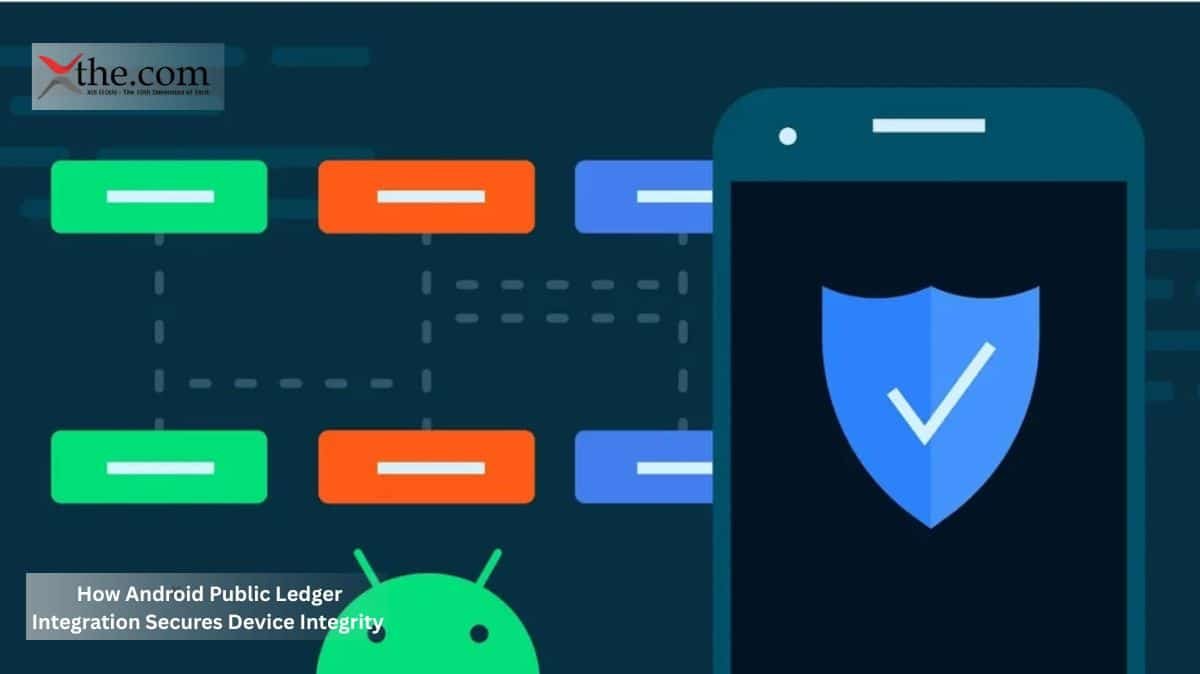
Atomic answer: Google (GOOGL) introduced and implemented an append-only public ledger for Android system applications, providing cryptographic proof of the authenticity of foundational Google Mobile Services (GMS) APIs. This security measure prevents threat actors from deploying altered or compromised system files on corporate mobile hardware. Enterprise fleet managers gain a reliable, automated tool to verify device integrity across their entire mobile workforce.
A global logistics company found that 12% of its managed Android devices had unauthorized firmware even though they passed regular device management checks. This wasn’t due to user mistakes, but rather a lack of visibility in verifying device trust across large suites. Now companies are rethinking how cybersecurity, compliance, and IT modernization work together in mobile trust models.
Android’s new integration with a public ledger framework changes this by basing trust on records that can’t be changed, rather than on device claims alone. When used with GMS APIs, this adds a cryptographic verification layer that provides device integrity for businesses and changes how they manage app authorization at scale.
Cybersecurity Compliance Depends on Verifiable Device Trust
For a long time, enterprise mobility programs treated device enrollment as proof of trust, but this idea is becoming less reliable. Devices can be rooted, apps can be side‑loaded, and firmware can be changed after deployment, all of which can bypass standard compliance checks.
This is where cybersecurity compliance frameworks start to struggle. Regulations in finance, healthcare, and critical infrastructure now require clear proof that devices stay secure throughout their use, not just when they are first set up.
Using a public ledger changes the process. Instead of depending on occasional compliance scans, companies can now check device status against a constantly updated cryptographic record. Every change—from boot checks to system patches—is logged with verifiable timestamps and signatures. This creates a lasting audit trail that compliance teams can review in real time, instead of having to piece it together after a problem occurs.
A healthcare provider with thousands of clinician devices shows how this works. In the past, compliance officers only found compromised devices during scheduled audits. With ledger‑backed verification, any issues with device integrity can be spotted right away when there’s a difference between expected and recorded states.
IT Modernization Moves From Device Management To Trust Architecture
IT modernization in businesses focused on rolling out more devices, supporting remote work, and using more cloud services. Security checks were often handled separately by mobile device management tools.
That model is no longer sufficient.
Today’s enterprise environments depend on large groups of Android devices connected through cloud services, edge apps, and APIs. Trust at the device level isn’t enough. It needs to be proven over and over again.
This is where cryptographic systems linked to GMS APIs matter. Google Mobile Services APIs now help connect device signals to cloud‑based verification. When combined with ledger‑backed validation, companies can check device status against unchangeable records before allowing access to sensitive apps.
A financial services company provides a good example. Employees using Android tablets to access reading systems must pass ongoing verification checks. If a device’s status changes from its recorded baseline, access to internal apps is automatically limited by dynamic app authorization controls.
This approach moves away from static device trust and uses continuous verification built into business workflows.
Public Ledger Systems Redefine Device Integrity Models
Public ledgers have been used in distributed systems before, but using them for mobile security has a new impact. Instead of just handling financial transactions or decentralized identity, the ledger now helps validate device integrity at scale.
Each Android device can create cryptographic proofs linked to its hardware, OS setup, and security patches. These proofs are stored in a ledger that can’t be changed later without being noticed.
This system gives companies something they didn’t have before: independent verification that their devices can be trusted.
The long‑term implications are significant for regulated industries. Consider corporate device integrity verification via public cryptographic ledgers in a multinational manufacturing company. Devices used in industrial control systems must maintain strict configuration baselines. If a firmware modification occurs outside approved channels, the ledger‑based system flags the deviation instantly, triggering remediation workflows.
This reduces the need for manual audits and lowers the risk of unnoticed changes in device settings across global fleets.
App Authorization Becomes Dynamic and Context-Aware
Traditional app authorization relies primarily on identity and role-based access controls. Once a user is authenticated, they usually retain access to apps for a long time unless it is manually removed.
Ledger-based verification changes this approach. When GMS APIs work with cryptographic device signals, authorization decisions can use real-time device trust. If someone tries to log into a sensitive app from a compromised device, they may be denied access even if their credentials are correct.
This creates a more flexible security approach. Newland, a logistics company using Android for warehouse management, shows this benefit. If a device fails integrity due to unauthorized changes, access to inventory apps is automatically restricted. Users can still log in, but their access is adjusted based on the device’s health.
This lowers the risk without interfering with identity systems.
Cybersecurity Compliance Gains Continuous Validation Capabilities
Key change with Ledger integration is moving from periodic compliance checks to ongoing validation. In traditional cybersecurity compliance frameworks, audits happen after the fact; with ledger‑based systems, compliance is always up to date.
Security teams can verify that devices meet requirements at any time using cryptographic proofs rather than just device‑reported data. This helps avoid blind spots that often happen in large Android deployments across different carriers, regions, and policies.
For organizations updating their IT, this means a new way of thinking. Security isn’t just added after deployment; it is built into the device trust system from the start.
The Future Of Android Trust Is Ledger-Driven
As companies expand Android use across remote teams, supply chains, and field work, verifying device trust becomes essential.
Using public ledger systems, GNS APIs, and cryptographic validation lets companies continuously measure device integrity rather than just assume it. With adaptive app authorization and stronger cybersecurity compliance, businesses get a more reliable way to manage many devices.
The bigger trend is clear: mobile security is shifting from static checks to systems that always verify trust.
Companies that adopt ledger-based verification early may have fewer unexpected issues and more control over digital trust in their device fleets.
Enterprise Procurement Checklist
- Real-World Operational Consequence: Mobile Device Management (MDM) platforms must integrate these cryptographic ledger checks to catch compromised devices instantly.
- Cybersecurity Compliance: Businesses working in highly regulated fields can utilize these cryptographic receipts to meet strict software supply chain security standards.
- Deployment Impact: Validating system authenticity against a public ledger adds an automated security layer during remote device onboarding.
- Cross-Manufacturer Ripple Effect: Google’s cryptographic push challenges hardware manufacturers like Qualcomm (QCOM) to guarantee hardware-level root-of-trust alignments.
- Operational Action Step: Update corporate mobile security policies to mandate ledger validation checks for all remote employee smartphones.








