YORKTOWN HEIGHTS, NY —
Atomic Answer: High-performance computing groups are implementing specialized hardware diagnostic tools to systematically measure quantum coherence stability across modular processor networks. Linking separate quantum processing units (QPUs) using photonic interconnects introduces critical structural vulnerabilities along the cryogenic transport boundary. Mitigating these high quantum error rates requires continuous monitoring of dilution refrigeration constraints to maintain strict structural thermal stability.
The IT modernization pathway into quantum computing infrastructure has surfaced a diagnostic discipline that classical HPC procurement frameworks were never designed to include — continuous quantum coherence stability auditing across modular QPUs that share photonic interconnects through cryogenic boundaries, where thermal variation translates directly into quantum error rates. As AI infrastructure investment timelines converge with the commercial availability windows for quantum computing, enterprise teams that cannot measure coherence stability cannot evaluate whether their quantum compute investment is delivering the calculation fidelity that research and cryptographic workloads require.
Why Photonic Interconnects Introduce Cryogenic Boundary Risk
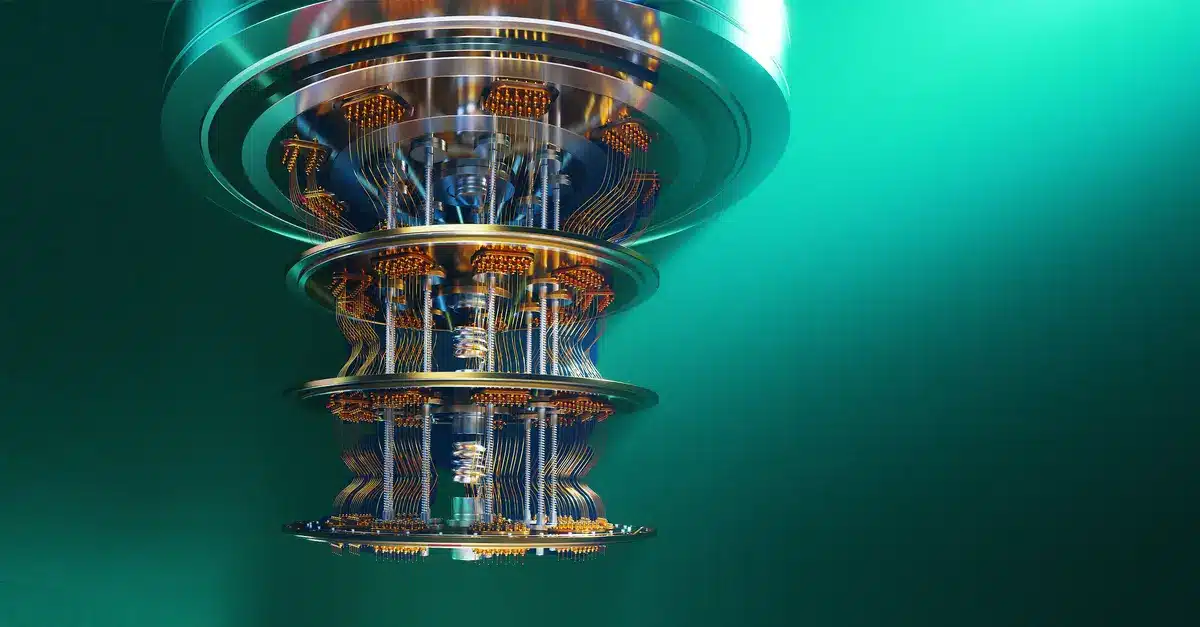
Using photonic interconnects to connect multiple modular quantum processors enables the creation of quantum computing systems with larger qubit arrays and greater complexity than can be achieved with traditional “single-chip” quantum processors. The benefits of this architecture come at a cost: every time one of these photonic connections crosses from one quantum processor to another, it also crosses from one cryogenic thermal isolation system (necessary to keep the qubits coherent) to another.
Degradation of quantum coherence occurs when thermal fluctuations across the cryogenic boundary generate decoherence events — fluctuations in qubit states that accumulate to exceed the threshold for effective quantum error correction required to run an algorithm. In addition to the thermal fluctuations associated with the cryogenic boundary, other factors, such as vibrations, thermal gradient differences, and photonic signal coupling inefficiencies at the connection point between two quantum processors, contribute to a decoherence exposure profile that is not present in traditional single-chip architectures.
Infrastructure consequence forecasting for cryogenic quantum computing deployments requires modeling the decoherence contribution of each photonic interconnect crossing — not as a fixed error budget item but as a dynamic variable that changes with dilution refrigerator performance, facility thermal stability, and interconnect coupling efficiency over time.
Dilution Refrigeration Constraints and Continuous Monitoring
Dilution refrigeration constraints define the operational envelope within which quantum coherence stability is maintainable. Dilution refrigerators sustain the sub-kelvin temperatures that superconducting qubit coherence requires — typically in the 10-20 millikelvin range — through a continuous thermodynamic process that is sensitive to facility power stability, coolant mixture ratios, and mechanical vibration from adjacent infrastructure.
Quantum error rates across modular QPUs track dilution refrigerator performance with a sensitivity that makes refrigerator monitoring inseparable from coherence auditing. A dilution refrigerator that drifts 5 millikelvin above its target operating temperature does not generate a refrigerator fault condition — it generates a coherence degradation event that shows up in quantum error rates before it appears in refrigerator telemetry. IT modernization programs deploying quantum compute infrastructure must instrument both the QPU coherence metrics and the dilution refrigeration telemetry simultaneously — coherence monitoring without refrigeration monitoring cannot distinguish decoherence events caused by interconnect boundary issues from those caused by refrigerator performance drift.
Continuous monitoring architectures that correlate quantum error rates with dilution refrigeration constraints in real time provide the diagnostic precision that post-execution error analysis cannot — identifying the thermal event that caused a coherence instability window rather than only documenting that the window occurred.
Photonic Interconnect Coupling Efficiency Auditing
When using modular QPUs and connecting them via photonic interconnects, it is important to regularly assess the coupling between the two systems. The way quantum photonic interconnects operate means traditional methods for assessing the integrity of optical signals will fail to detect issues that could lead to quantum errors.
For example, AI tools used to build quantum computing infrastructure may mistakenly judge quantum computing’s capabilities based solely on the number of qubits, rather than incorporating the coupling efficiency of photonic interconnects as an operational parameter. The result will be a misunderstanding of the time required for systems to operate without interruption due to a lack of coherence.
Photonic interconnects will experience reduced coupling, but this can occur unexpectedly due to factors such as temperature changes, vibration-induced effects on optical component mounts, and optical waveguide aging. Infrastructure consequence forecasting for installing cryogenic quantum computers will require measuring photonic interconnect coupling efficiency as an ongoing operational metric rather than a one-time measure.
Facility Power and Thermal Planning for Sub-Kelvin Operations
The limits of dilution refrigeration create facility infrastructure needs that are underestimated by conventional HPC power and cooling planning. There will be significant power scaling of electrical energy to maintain sub-kelvin conditions across distributed clusters of quantum servers; therefore, facility utility planning will need to account for power consumption beyond what is indicated by QPU hardware specifications.
IT modernization programs that scope quantum computing facility requirements against QPU electrical specifications alone will encounter power infrastructure gaps when the full refrigeration, vibration isolation, and electromagnetic shielding load is added to the facility’s power budget. A modular QPU cluster that draws modest compute power may require ten times that power allocation for the refrigeration and isolation infrastructure that coherence stability demands.
Quantum coherence stability facility planning must include power redundancy specifications for refrigeration systems — a dilution refrigerator that loses power during an active computation does not pause gracefully, it warms through the coherence threshold and invalidates all in-flight calculations. Uninterruptible power supply (UPS) coverage for refrigeration infrastructure is a continuity-of-operation requirement, not a standard data center resilience practice applied to quantum hardware.
Cryptographic Planning Implications
Quantum error rates across commercially available modular QPUs determine when quantum computing crosses the threshold into a cryptographically relevant capability—the qubit-fidelity and circuit-depth combination that enables practical attacks on current asymmetric encryption standards. IT modernization programs that monitor advances in quantum coherence stability across the commercial QPU market are also tracking the cryptographic planning timeline that post-quantum migration programs depend on.
The commercial capabilities of modular quantum processing units (QPUs) with a photonic interconnect architecture provide a timeline against which companies can assess the urgency of migrating their current cryptographic capabilities. As enterprises begin to incorporate coherence stability metrics into their quantum hardware evaluation processes, they will also develop the technical literacy necessary to accurately assess the timelines for their cryptographic migration plans. Investing in supply chain intelligence related to these issues generates a significant return on investment (ROI) when assessing the precision of their post-quantum migration planning efforts.
Conclusion
To modernize IT to quantum computing infrastructure, continuous operational discipline through auditing quantum coherence stability during deployment will be required, i.e., not solely commissioning validation of the Quantum Computing (QC) system. Also, Modular Quantum Processing Units (QPUs) connected via photonics inherently introduce the risk of Cryogenic Boundary Decoherence, which is intractable with standard high-performance computing (HPC) diagnostics tools. Therefore, specialized Coherence Monitoring Instrumentation and Systems (CMIS) must be utilized to continuously quantify dilution refrigeration constraints and correlate real-time quantum error rates across space and time.
To provide procurement criteria for AI infrastructures, coherence stability metrics, photonic interconnect coupling efficiency metrics, and refrigeration telemetry correlations must be included in the evaluation process when determining the best quantum compute hardware. For Sub-Kelvin DC operation, facility planning for QPU hardware requires identifying thermal and electrical infrastructure, as well as power requirements, that cannot be fully captured by QPU specifications alone. In addition, to accurately establish post-quantum migration timelines, commercial modular QPU quality assurance provides essential cryptographic planning intelligence, a requirement for quantum error rate monitoring. Furthermore, as the planning process for infrastructure-consequence forecasting for cryogenic quantum computing deployments transitions to a standardized enterprise discipline, the quantum coherence stability gaps between qubit fidelity in vendor specification sheets and operational algorithm execution fidelity will determine which quantum computing investments can deliver the computational fidelity required for the quantum computing workloads.
Enterprise Procurement Checklist
- Procurement Risk: Purchasing advanced computing instances that lack integrated, real-time coherence error-correction loops leads to unstable calculation performance.
- Real-World Operational Consequence: Research teams can execute long, complex algorithmic simulations with confidence that environmental interference won’t invalidate execution telemetry.
- Thermal & Energy Analysis: Sustaining sub-kelvin temperatures across distributed quantum server clusters demands heavy electrical power scaling, altering standard facility utility planning.
- Cross-Manufacturer Ripple Effect: Breakthroughs in modular quantum coherence testing accelerate commercial market timelines, shifting business cryptographic planning roadmaps.
- Operational Action Step: Include modular coherence metrics and thermal tolerance criteria in your advanced computing hardware request-for-proposal templates.
Primary Source Link: The future of computing is now