






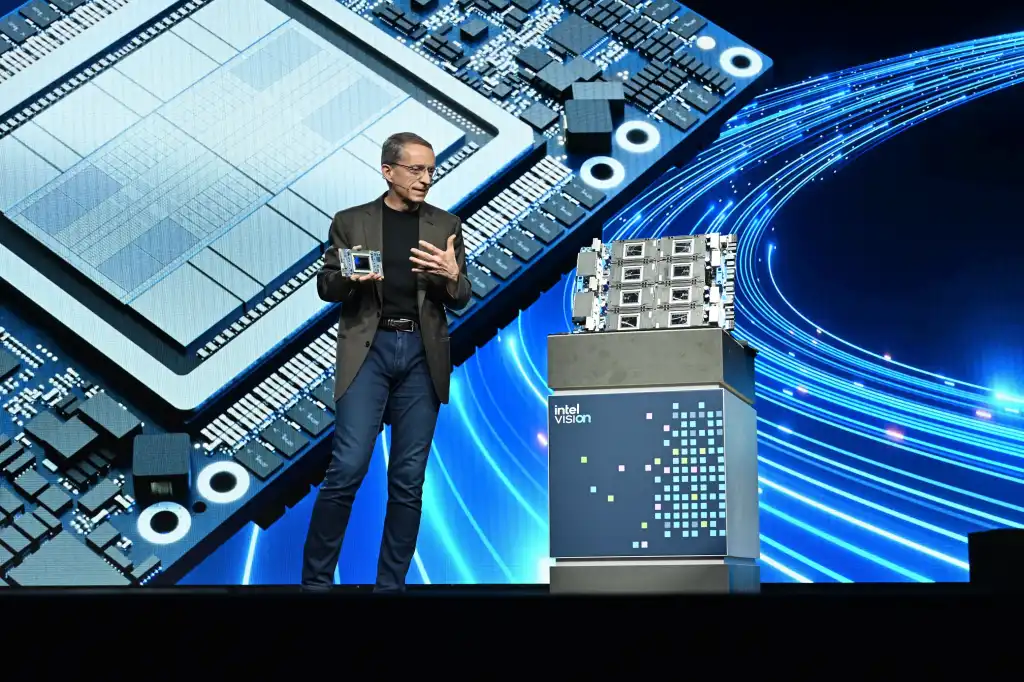
As threats shift from the network edge to hardware, Intel and CrowdStrike expanded AI capabilities on PCs in March 2026. With hardware integration, this move represents a new approach beyond only software defenses, leveraging Intel Core Ultra processors and neural processing units (NPUs) to create security below the operating system.
This advancement addresses a critical industry challenge: advanced file-less malware and zero-day attacks that evade traditional security measures. Systems architects and chief information security officers (CISOs) can now detect threats that would otherwise go unnoticed.
The Architecture of Silicon-Level Defense
The main innovation is deep data sharing between Intel threat detection technology and the CrowdStrike Falcon platform (a cybersecurity solution). Previously, endpoint detection and response (EDR) security systems that monitor devices for threats used the CPU (central processing unit) for scanning, causing slowdowns. Now, moving analysis to the NPU (neural processing unit, an AI-specialized chip) maintains security without impacting computer performance.
With hardware integration, the Falcon sensor monitors CPU activity for patterns like return-oriented programming attacks or illicit memory changes. The NPU’s on-device machine learning blocks threats in microseconds, stopping malicious code from executing or communicating externally.
Hardware-Assisted AI and Zero-Trust Frontier
Device identity is now as important as user identity in Zero Trust Security (a model where nothing is trusted by default). Intel and CrowdStrike use the Intel vPro platform’s hardware root of trust (hardware that validates device integrity) to protect the Falcon agent (core security program) from tampering if security software is disabled at the BIOS (basic input/output system, firmware controlling startup) or firmware level. At the hardware level, Intel hardware can detect the issue and isolate the device from the company network.
AI PCs with contextual memory tagging (technology that labels memory regions based on use) assign cryptographic tags (digital codes for security) to specific memory regions, blocking buffer-overflow attacks (when a program writes outside its memory space), which are common in C-based applications. Hardware memory protection mitigates these vulnerabilities, strengthening software security.
Optimizing the SOC With On-Device Intelligence
SoC (system-on-chip, which integrates multiple computer components on one chip) cooperation stems from high alert volumes. AI PCs perform initial analysis, reducing the number of cloud alerts. The device NPU filters out benign events, sending only probable threats for review.
Edge intelligence protects remote or hybrid workers. Built-in hardware security maintains consistent policies everywhere, protecting devices whether offline or on public networks.
The Role Of NPU Accelerated Generative AI In Security
Generative AI can help IT admins fix issues in real time, not just detect threats, using Falcon Charlotte. Admins can ask questions like, “Which devices in Europe lack the latest microcode patch?” The system leverages local AI processing on endpoint PCs to scan endpoints and provide a prioritized vulnerability list.
This collaboration between human expertise and machine automation aims to keep pace with rapidly evolving cyber-attacks by enabling AI to write code to prevent new threats. Intel and CrowdStrike move toward self-healing security systems in which the AI PC can automatically fix vulnerabilities and update defenses.
Managing The Privacy And Governance Landscape
To protect sensitive endpoint data, privacy is central to the hardware design. All AI analysis by the Intel NPU occurs locally, ensuring raw data never leaves the device. Only summarized threat signals reach the cloud, ensuring security while meeting privacy regulations such as the EU AI Act.
By 2026, AI PCs may become standard for organizations handling sensitive or regulated data. Combining Intel hardware with CrowdStrike intelligence aims to proactively defend against sophisticated AI-driven cyber attacks.
Conclusion: The Sentient Silicon
As digital technology advances, computers will act as active protectors, working with users to detect threats before they occur. In this future, the line between machine and security blurs, and devices continually safeguard our data against digital threats.
Source: Client computing Intel crowdstrike expand collaboration








