




Microsoft has started rolling out a new security system to stop unauthorized data leaks in its cloud services. Launched in early April 2020. For Azure and Windows Server, this update centers on kernel-level shields. These advanced protections are built into the main part of the operating system (the kernel). They stop threats before they reach applications.
This update addresses a major weakness in today’s computing column. Skilled attackers can bypass standard software firewalls by targeting the basic hardware instructions. As more businesses depend on hybrid cloud setups, these shields create a strong barrier. They keep sensitive data safe from deep-level threats, protecting company information at the system’s core.
How Kernel-Level Isolation Works
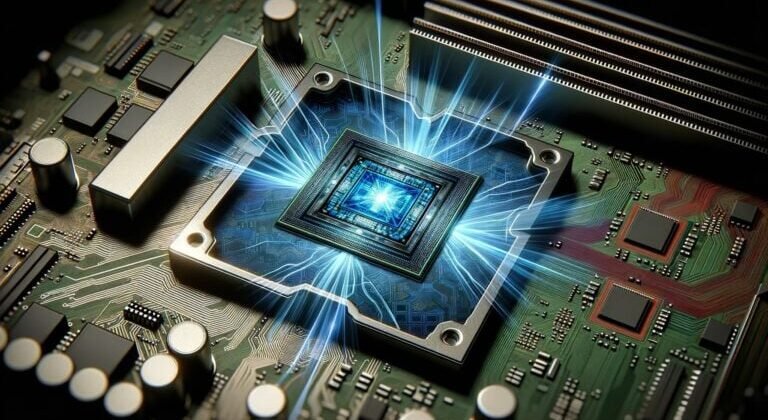
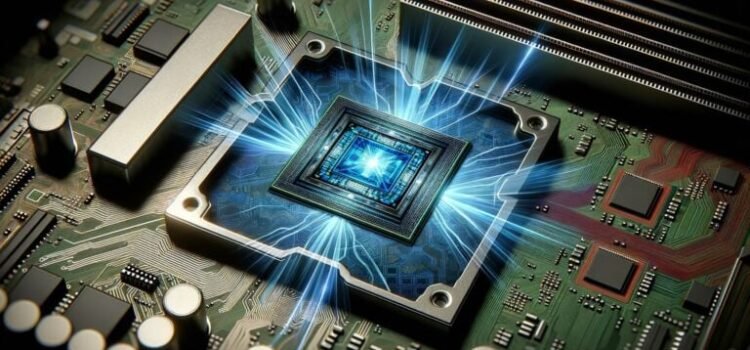
The main feature of this update is enclave memory protection. Usually, the kernel (the core of the operating system) manages how memory protection is shared. If someone gets admin or administrator access, they can often see memory from other programs. The new shades use hardware-based isolation components that keep data separate, creating secure enclaves for protected storage in system RAM (the computer’s main memory). These enclaves are locked with cryptography, so even the operating system can’t read the data without a special hardware key. This blocks memory-scraping attacks in which hackers steal passwords or encryption keys by scanning a server’s memory.
By moving security from software to hardware, Microsoft is using the latest trusted execution environments (TEE). This mixture of hardware and software keeps protection strong even against advanced threats. For businesses, this means their most sensitive tasks, like financial modeling or medical data analysis, happen in a dark box that outsiders can’t see. This kind of isolation lays the groundwork for additional security capabilities, as explained in the next section on preventing lateral movement and leaks. This level of isolation is needed for confidential computing, where data stays encrypted not only when stored or sent but also while it’s being processed.
Stopping Lateral Movement and Data Leaks:
One main goal of kernel shields is to stop lateral movement when attackers move from one part of a hacked network to another. Intruders often get in through a small weakness and then move sideways to reach important data. The new shields use instruction-level triage, meaning they check every instruction or request the core system (kernel) gets from outside programs. If a program tries to access something, it shouldn’t, the kernel cuts off the connection and puts the process in a sanitized sandbox, an isolated, controlled environment. This prevents one bridge from becoming a major data leak across the entire cloud system.
This active approach is especially good at stopping data siphoning. Many leaks occur when attackers use standard system tools to slowly exfiltrate data over the course of weeks. Kernel-level shields use high-frequency telemetry to spot these unusual patterns in outgoing traffic by looking closely at how the system behaves. The shields can distinguish between a legitimate database backup and a data theft attempt. If something is suspicious, the system can slow down the connection on its own, giving security teams time to investigate without losing important data.
Hardware Rooted Trust And Boot Integrity
To prevent shield compromise, Microsoft has implemented a verified boot process. This secure startup procedure checks system files before launching the operating system. The system firmware performs a cryptographic integrity check of the kernel. If unauthorized modifications are detected, such as those from a rootkit or a persistent bootloader exploit, the firmware alters the startup process. This hardware-rooted trust delivers a secure environment from the moment the system powers on. It establishes a reliable foundation for all later security layers.
The integrity check also applies to the virtualization layer in cloud environments. Multiple virtual machines share the same physical hardware; kernel-level shields ensure the hypervisor, which manages them, remains isolated from guest operating systems. This prevents virtual machine escape attacks, in which an attacker attempts to access data from another virtual machine. By applying strict kernel-level boundaries, Microsoft helps ensure the multi-tenant cloud environment remains secure for enterprise customers.
Centralized Visibility and Policy Management
IT administrators can access a new kernel health dashboard (a system health monitoring tool) in the Microsoft Defender for Cloud Portal. This interface offers real-time visibility into shield status across thousands of servers. Administrators can set zero-trust policies (security protocols that assume nothing is safe and require every request to be verified) to specify which kernel instructions are allowed for particular applications. If a legacy program needs a non-standard system call (an uncommon request for system resources), administrators can grant a temporary, monitored least-privilege exception (granting the minimum necessary permissions for specific tasks). This level of control enables organizations to maintain specialized workflows while upholding a strong security posture.
The dashboard also generates forensic logic traces for each blocked attempt. Instead of a generic error message, the system provides a detailed map of the blocked instruction: the source application and the intended memory target. This information is essential for security researchers analyzing evolving cybercriminal tactics, as it converts each prevented attack into a training opportunity. Microsoft is building a reflexive defense system that becomes more effective as new threats emerge. This cooperation between administrators and automated shields represents the future of enterprise cloud protection.
The Crystalline Guard of the Cloud
As these new security measures operate at the core of our processes, we are seeing a fundamental change in how we protect information. The cloud’s architecture is becoming an attentive, reliable guardian aligned with the values of the data itself. We are moving toward a future where breaches are no longer unavoidable, yet are prevented by consistent, logical defenses over time. Concerns about leaked documents may diminish, replaced by confidence that confidential data is securely protected. Ultimately, security will be maintained by robust, invisible safeguards that guarantee the digital environment remains trustworthy.
Source: Microsoft Blog