





NVIDIA continues to advance how artificial intelligence can be leveraged to improve infrastructure and energy systems through its technologies. Continued demand for more efficient, resilient, and sustainable infrastructure is encouraging NVIDIA to develop new AI-based platforms that enable more efficient energy use, greater system reliability, and better-informed decision-making. In addition, the movement toward an expanded focus is part of NVIDIA’s overall strategy to move beyond traditional computing and focus on real-world applications for industry and the environment.
AI at the Core of Modern Infrastructure
The growing complexity of Infrastructure Systems, such as electricity grids, transport networks, and industrial facilities, means better management tools are needed to enable them to perform swiftly and efficiently. Leveraging AI, NVIDIA can analyse large volumes of data generated by infrastructure systems to provide timely information and predictive capabilities that enhance overall operations.
The integration of AI into Infrastructure Management provides operators with tools to identify abnormalities, predict failures, and improve resource allocation. The shift from reactive to predictive Infrastructure Management has dramatically changed the way that infrastructure is maintained and operated, resulting in reduced downtime and creating a more reliable resource for the long term.
Transforming Energy Systems with AI
The energy industry is undergoing significant change as it moves toward alternative energy sources. NVIDIA is leveraging its artificial intelligence (AI) product divisions to improve energy production capabilities, enhance energy distribution efficiency, and create a more efficient, less wasteful way to use energy across the entire power delivery system.
The use of AI technologies within energy-producing facilities enables electric companies to leverage data analytics to monitor various aspects of energy demand and supply. This data can be used by the electric utility company to manage the grid, resulting in a more efficient grid and reduced waste. In addition to the use of AI technologies to manage the grid in an efficient and optimally managed manner, AI technology can also be effectively integrated into systems that can support new and alternative energy sources (solar, wind, etc.) that require specific energy load balancing throughout a given time period (i.e., their unpredictable nature). Overall, AI-driven technologies help create a more sustainable and resilient energy ecosystem by increasing efficiency and reliability across all phases of energy use.
Digital Twins and Simulation Technology
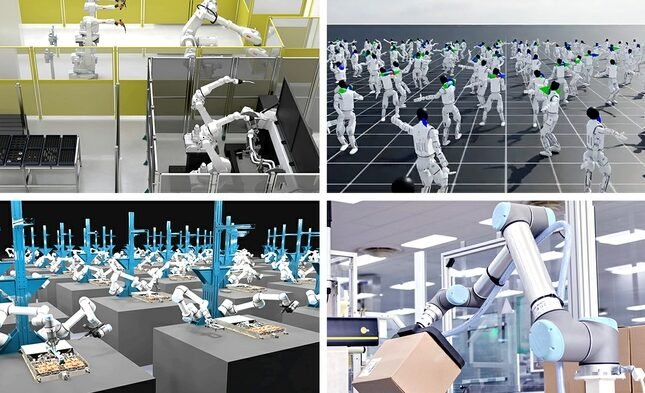
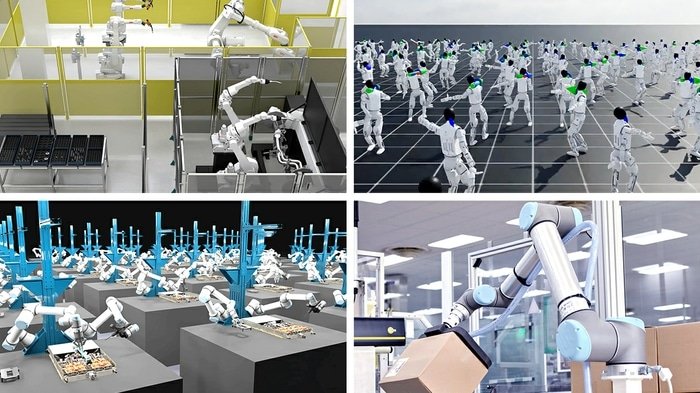
NVIDIA’s strategy for advancing digital twin technology involves using virtual representations (digital twins) of real-world systems’ physical infrastructure, enabling users to model and analyse the impact of various physical factors on each piece of infrastructure. By creating accurate representations of these systems in a virtual environment, companies can test potential changes to their physical infrastructure and optimise operational processes for maximum efficiency; they can also model their actions and identify or anticipate potential challenges before they occur.
By leveraging the combined power of AR organisations to create highly accurate, high-quality virtual models of energy systems and other large industrial facilities. Ultimately, digital twins enable better, more informed decisions while reducing the risk of problems in large-scale infrastructure initiatives.
In energy systems, digital twin technology offers many advantages, as small inefficiencies in energy generation can create significant economic and environmental impacts.
Real-Time Data Processing and Automation
Through real-time data processing, NVIDIA helps manage current infrastructure development by using AI algorithms to analyse data collected from sensors, cameras, and other equipment, providing immediate insight that, in turn, enables automated decision-making. The ability to automatically respond to changes in real-time (e.g., increases/decreases in energy consumption as well as equipment malfunction) will provide increased efficiency, lower operating costs, and increased safety through reduced human involvement in dangerous environments.
As such, AI and automation combined will be instrumental in the development of smart infrastructure.
Partnerships and Industry Applications
The company is working with energy companies, utilities, and industry communities to bring its AI solutions to many areas through partnerships. By partnering with these companies, NVIDIA can adapt its technology to the specific purposes of an industry, such as optimising the power grid or enhancing the operational efficiency of a manufacturing process. Collaborating with stakeholders in the industry, NVIDIA has ensured that its solutions are both practical and scalable, yielding benefits for the individual sectors, as well as addressing challenges that exist in managing energy and building infrastructure around the world. In addition, through this approach, NVIDIA is helping to reduce the barrier to entry for organisations
Competitive Landscape and Market Position
The integration of Artificial Intelligence (AI) into energy and infrastructure systems has quickly become a field of vigorous competition, as tech and industrial companies have begun investing. heavily in developing innovative, transformative technologies. NVIDIA has a significant presence in this space because of its long experience developing Graphics Processing Units (GPUs) for AI-based computation and manufacturing products that enable high-performance computing for data-intensive workloads. With the increasing demand for intelligent infrastructure, the strongest competitive advantage will go to companies that can deliver integrated hardware and software solutions. NVIDIA has been rapidly evolving to capitalise on the new market by combining AI, simulation, and real-time processing.
Challenges in Implementation
Even though there are significant gains to be made through AI, introducing it into energy and infrastructure remains very challenging. Bringing new technologies into your existing infrastructure is often complicated and expensive, requiring significant financial resources and expertise.
One of the biggest concerns about deploying AI in energy/infrastructure applications is the security of data, the reliability of the overall system, and whether the people who support these systems have the appropriate training and experience to perform their jobs effectively. To design and deploy AI systems successfully, users must have confidence that they operate properly.
To achieve widespread adoption of industrial AI applications, users will need to overcome the challenges described above.
Sustainability and Efficiency Gains
The fundamental advantage of AI-enabled infrastructure is the impact AI can have on achieving more sustainable infrastructure. By analysing energy consumption and waste, AI technologies can help organisations reduce their carbon footprints and fulfil their ecological responsibilities.
NVIDIA’s technology enables better use of the resources consumed by various applications, including data centers, transportation systems, and services, at a scale previously unattainable. As a result, it will play an integral part in broader initiatives to create increasingly sustainable infrastructure.
As governments and the private sector continue to embrace sustainable practices, we can expect to see an increase in AI applications for sustainability.
Future Developments and Innovation
Through research and funding for AI development, NVDA plans to improve AI performance and scalability and to connect with other systems more easily. Future functionality includes simulating tools, automating processes, and developing stronger AI models for infrastructure systems.
NVIDIA’s belief that it will invest in AI through acquisitions shows that it plans to transform the way infrastructure and energy systems are built and run over the long run. Continued advances in technology will help meet the ongoing requirements of a business’s or community’s operations, which must accommodate changes in demand.
Source: Newsroom