SANTA CLARA, CA —
Atomic Answer: Palo Alto Networks has expanded Cortex XSIAM with agentless runtime workload protection and graph-based attack surface management, eliminating the deployment friction of agent-based cloud security without sacrificing detection depth. The platform’s AI-driven SOC automation compresses alert triage from analyst-hours to machine-seconds, directly addressing the alert fatigue crisis that has made human-scaled cloud security operations structurally insufficient to withstand the cloud-native attack velocity.
The Palo Alto Networks Cortex XSIAM cloud security expansion reframes enterprise cloud defense around the premise that agent-dependent security architectures structurally resist the idea that cloud workload protection should be as dynamic as the cloud environments it protects. As automated threat detection AI operations eliminate the alert triage bottleneck that has made SOC analyst capacity the binding constraint on cloud security response speed, and agentless runtime workload protection removes the deployment overhead that agent-based coverage has always traded against scalability, the enterprise cloud security transformation strategy that US enterprises have been building toward has a platform architecture that operationalizes it.
Why Agent-Based Cloud Security Creates the Coverage Gap It Tries to Close
Agentless runtime workload protection addresses the fundamental contradiction of agent-dependent cloud security the environments that move fastest, scale most dynamically, and carry the highest breach risk are precisely the environments where agent deployment discipline breaks down. Ephemeral containers, serverless functions, auto-scaled workload instances, and developer-provisioned cloud resources that appear and disappear faster than agent deployment pipelines can track create the unprotected surface that cloud-native attacks systematically target.
Graph based cloud attack surface management within Cortex XSIAM maps the relationships between cloud resources, identities, configurations, and network paths that individual workload monitoring cannot surface an attack that traverses misconfigured IAM permissions to access an unprotected storage bucket through a compromised container does not generate a single high-severity alert in any individual monitoring system, but appears as a connected attack path in graph-based attack surface analysis that correlates the relationship between each component.
Zero-trust identity mesh enforcement across cloud workload access ensures that the implicit trust previously conferred by the cloud-internal network is replaced by continuous identity verification for every workload-to-workload communication removing the lateral movement pathway that compromised cloud workloads exploit through trusted internal network access that perimeter controls never scrutinized.
AI-Driven SOC Automation and Alert Fatigue Resolution
Automated threat detection AI operations within Cortex XSIAM directly address the alert fatigue problem that has made human-scaled SOC operations insufficient for cloud security at enterprise scale. Security operations centers monitoring cloud environments generate alert volumes that analyst teams cannot process at the rate that cloud-native attack campaigns require response the median enterprise SOC processes a fraction of its daily alert volume through human review, leaving the remainder uninvestigated until retrospective analysis surfaces the alerts that preceded a confirmed breach.
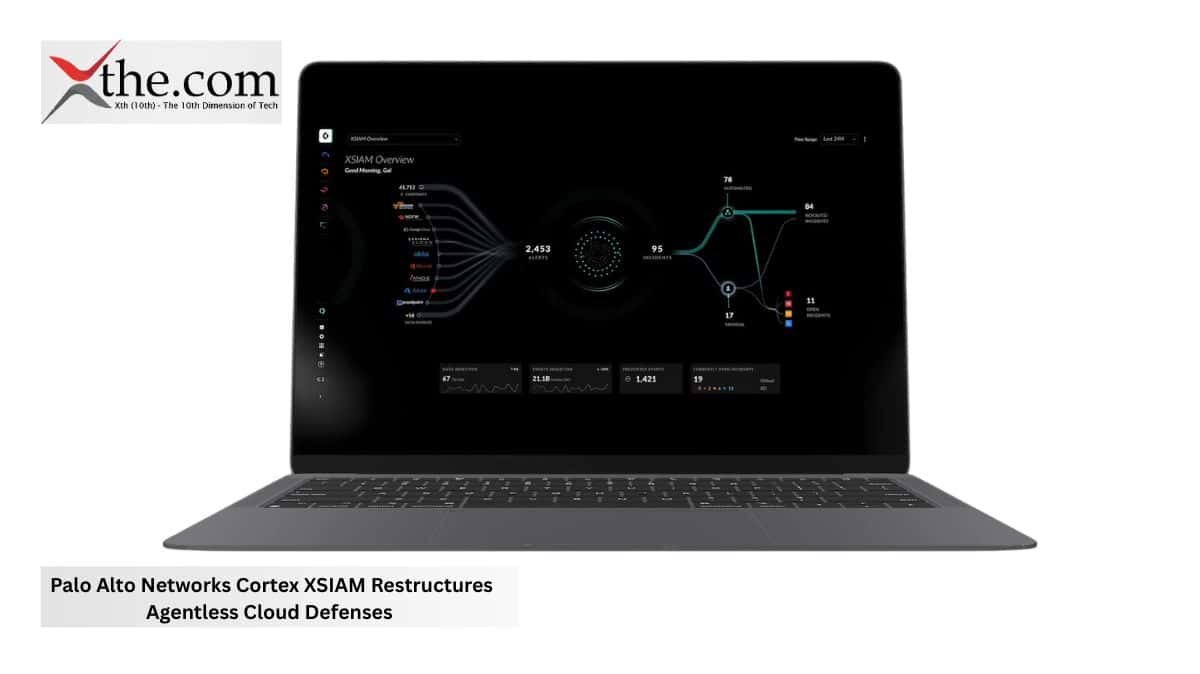
Palo Alto Networks Cortex XSIAM cloud security AI automation changes the alert processing model from human triage of individual alerts to AI correlation of alert clusters into incident narratives reducing the analyst cognitive load from evaluating thousands of discrete alerts to reviewing dozens of pre-packaged incident summaries that identify attack campaign scope, affected resources, recommended containment actions, and confidence scoring that focuses analyst judgment on decisions rather than triage.
An enterprise cloud security transformation strategy that relies on hiring additional SOC analysts to manage alert volume growth is not a sustainable security architecture the scale and velocity of cloud environments, and the pace of attack automation, outpace analyst hiring capacity. Automated threat detection AI operations that process alert volume at machine speed while surfacing analyst-ready incident summaries are the only operationally viable response to cloud security alert volumes that continue scaling with cloud adoption, regardless of analyst headcount investment.
Graph-Based Attack Surface Management for Cloud-Native Threats
Graph-based cloud attack surface management provides the topological visibility that linear alert correlation cannot deliver for cloud-native attacks that chain multiple low-severity indicators across different cloud services into high-severity compromise sequences. A cloud attack that uses a misconfigured storage bucket to stage malware, exploits an overprivileged service account to move laterally, and exfiltrates through an unmonitored egress path generates alerts in three separate cloud monitoring systems that individually appear unremarkable but that graph analysis connects into an attack path that attack surface management surfaces before exfiltration completes.
Zero-trust identity mesh integration with graph-based attack surface analysis enables Cortex XSIAM to identify the identity-permission relationships that make specific attack paths exploitable not just detecting that an attack traversed a permission boundary, but identifying which permission configurations created the traversable boundary that remediation should close. Agentless runtime workload protection telemetry that graph analysis incorporates ensures that workload behavior data contributes to attack path analysis without requiring agent deployment, which ephemeral cloud environments cannot sustain.
Enterprise cloud security transformation strategy built on graph-based attack surface management shifts the cloud security posture from reactive incident response to proactive attack path elimination identifying and remediating the configuration relationships that enable specific attack paths before threat actors execute them, rather than detecting execution after it begins.
Compliance, Operational Efficiency, and AI-Assisted Incident Response
US enterprises balancing cloud security compliance requirements against operational efficiency constraints face a platform selection challenge that Palo Alto Networks Cortex XSIAM cloud security addresses through consolidated compliance evidence generation every agentless workload scan, every graph-based attack surface finding, and every AI-automated incident response action generates audit trail records that compliance frameworks require without the manual evidence compilation that separate security tools demand.
Automated threat detection AI operations compliance integration ensures that AI-assisted incident response actions are documented with the decision context that audit frameworks require automated containment decisions that lack documentation of the behavioral evidence that triggered them create compliance gaps that regulators identify as insufficient incident response governance, regardless of technical containment effectiveness.
Zero-trust identity mesh compliance documentation provides the continuous verification evidence that federal zero-trust mandates require, beyond a point-in-time architecture certification. Continuous identity verification records generated by Cortex XSIAM demonstrate ongoing zero-trust enforcement that audit frameworks increasingly require, rather than accepting architecture documentation as sufficient compliance evidence.
Agentless Deployment and Cloud-Native Attack Coverage
Agentless runtime workload protection deployment across cloud environments eliminates the coverage gap timeline that agent-based security creates between workload provisioning and security coverage activation. Cloud workloads that launch without agents are exposed during the deployment and configuration window that agent installation requires a window that cloud-native attacks actively target through the automated scanning that identifies newly provisioned unprotected resources within minutes of launch.
Graph-based cloud attack surface management agentless coverage ensures that every cloud resource that Cortex XSIAM discovers through cloud provider API integration is immediately incorporated into attack surface analysis without requiring agent deployment that resource ephemerality may not accommodate serverless functions, container instances with sub-minute lifetimes, and auto-scaled workloads that terminate before agent installation completes all contribute to attack surface graph analysis through agentless telemetry.
An enterprise cloud security transformation strategy that relies on agentless coverage for dynamic cloud environments, while maintaining agent-based depth for persistent infrastructure that agent deployment can sustain, provides the coverage architecture that cloud-native attack surfaces require not agentless-only or agent-only, but coverage architecture matched to the deployment characteristics of each cloud workload category.
Conclusion
Palo Alto Networks Cortex XSIAM cloud security expansion establishes agentless runtime protection, graph-based attack surface management, and AI-driven SOC automation as the cloud security architecture that cloud-native attack velocity requires. Automated threat detection AI operations resolve the alert fatigue crisis that human-scaled SOC operations cannot address through analyst hiring machine-speed alert correlation that delivers analyst-ready incident summaries removes triage from the analyst workflow and focuses human judgment on containment decisions.
Agentless runtime workload protection eliminates the coverage gap that agent deployment discipline cannot close in dynamic cloud environments, where ephemeral workloads launch and terminate faster than deployment pipelines can track. Graph-based cloud attack surface management surfaces the attack paths that individual alert correlation misses connecting the configuration relationships, identity permissions, and workload behaviors that cloud-native attacks chain across multiple cloud services into breach sequences. Zero trust identity mesh enforcement removes the implicit trust that cloud-internal network position confers replacing it with continuous verification that lateral movement cannot exploit. As enterprise cloud security transformation strategy matures from architectural aspiration into operational deployment, the platform that operationalizes agentless coverage, graph-based attack surface analysis, and AI-automated SOC response simultaneously provides the consolidated cloud security foundation that US enterprises require to balance compliance, operational efficiency, and cloud-native threat defense in 2026.