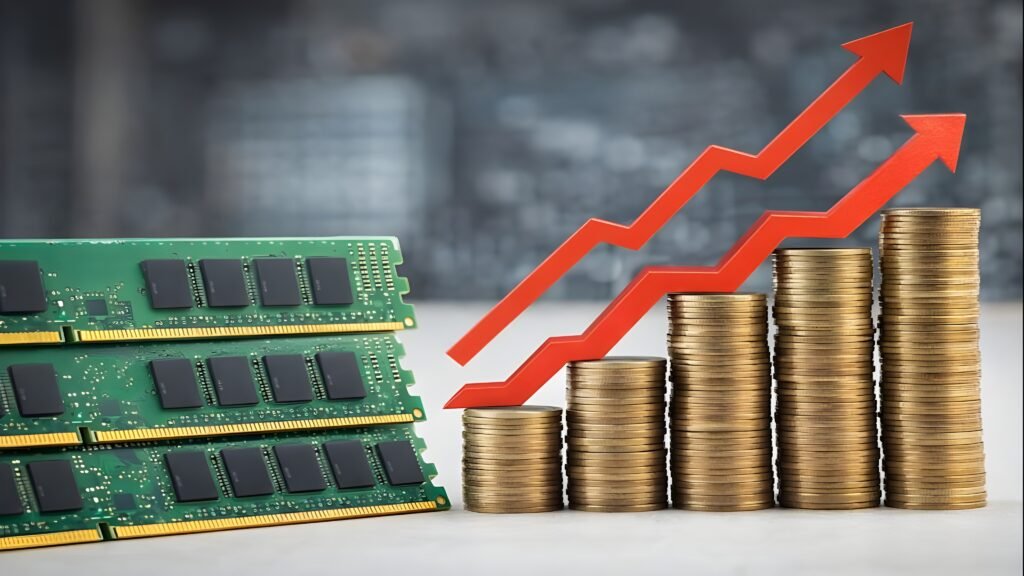
A new market outlook from Gartner warns of accelerating memory costs as demand for artificial intelligence infrastructure continues to grow. The report shows that RAM prices are increasing in both consumer and enterprise markets because high-performance computing systems need more memory than current supply chains can provide.
Rising PC hardware costs, which affect both consumers and businesses, create urgent needs for immediate upgrade decisions, procurement methods, and future budget planning.
Why RAM Prices Are Rising
The current RAM price increase is closely tied to surging demand from AI systems, cloud infrastructure, and high-performance computing workloads.
Modern AI systems require substantial memory resources to operate, which data centers need for their generative AI and machine learning services. As a result, manufacturers are prioritizing enterprise-grade memory production, tightening supply for mainstream consumer markets.
The new memory price fluctuations affect both the desktop and laptop markets. New system costs and upgrade expenses both increase due to these price changes.
AI Demand Is Reshaping the Memory Market
The worldwide growth of artificial intelligence infrastructure is the primary driver of rising artificial intelligence hardware costs.
The semiconductor supply chain is under constant strain because large-scale artificial intelligence systems require substantial quantities of high-speed memory.
The increase in data center memory demand is particularly significant because hyperscale cloud providers are purchasing memory at unprecedented volumes. This situation results in a reduced availability of resources that would have been used for consumer products.
Impact on PC Hardware Cost
The PC industry is currently experiencing wide-ranging effects due to rising RAM prices. The manufacturers face higher component costs, which in turn lead to higher overall PC hardware expenses.
The higher price of mid-range products will become apparent to customers who purchase laptops, desktops, or gaming systems.
The ongoing increase in DDR memory prices will widen the price gap between entry-level and premium configurations.
DDR Memory Pricing Continues to Climb
Newer memory technologies are also driving up expenses because they require more money to implement. Advanced standards such as DDR5 and upcoming next-generation memory platforms are more expensive to produce than earlier alternatives.
AI-driven demand, combined with manufacturing constraints, has driven DDR memory prices higher.
For many buyers, this means that waiting too long to upgrade will lead to much higher expenses in the future.
What US Consumers Should Do Now
Current memory pricing trends indicate that consumers in the United States will benefit from purchasing products, as prices are expected to rise in the coming months.
Users who need to upgrade their systems for gaming, content creation, and AI-assisted productivity tasks should buy memory components before the market experiences additional constraints.
The ongoing increase in PC upgrade costs in the USA market will reduce both product value and the number of budget-friendly upgrade options for consumers who choose to postpone their purchases.
Businesses Face Higher Upgrade Costs
The impact extends beyond consumers. The rising costs of PC hardware equipment are impacting businesses that need to upgrade their employees’ hardware systems.
Organizations that handle extensive equipment deployments must now consider rising memory costs when planning their purchasing activities.
The growth in AI hardware pricing is especially challenging for companies adopting AI-powered workflows that require more advanced computing systems.
Data Center Memory Demand Drives Supply Pressure
The ongoing rise in RAM prices is driven by the rapid expansion of AI cloud infrastructure, a major force in this market.
Technology firms are making significant investments in data centers, which will use servers with advanced memory systems to handle larger amounts of data.
The memory market is undergoing a transformation because current demand patterns require manufacturers to allocate production capacity to enterprise and artificial intelligence systems rather than to consumer products.
PC Upgrade Costs USA Buyers Should Expect
The upcoming months will see higher PC upgrade costs in the USA as consumers look to upgrade their systems.
Systems with higher RAM capacities will experience the largest price increases, as AI-powered operating systems and applications demand more memory.
The combination of rising DDR memory prices and increasing AI requirements has driven up costs for all hardware upgrades.
AI Hardware Pricing and the Future of PCs
The increase in AI hardware costs shows a complete shift in the entire computing industry. AI workloads now serve as the main foundation for operational systems, modern software applications, and video game development.
The adoption of AI as a basic feature will drive continuous growth in memory requirements for all consumer electronic devices.
Current RAM price increases will establish a permanent trend that leads to higher system resource demands in future computing technologies.
Strategies Buyers Can Consider
PC hardware price increases can be reduced through multiple steps that both businesses and consumers can implement.
Some buyers may choose to upgrade existing systems incrementally rather than purchasing entirely new devices. Customers who want to extend system life will select computer setups that include options for future memory upgrades.
The total cost of upgrades can be reduced through two methods: monitoring memory price trends and making purchases before seasonal demand peaks.
Long-Term Outlook for Memory Prices
Industry forecasts predict that data center memory requirements will remain high as AI technologies continue to expand worldwide.
The existing supply constraints will keep DDR memory prices high even as manufacturers are likely to boost production capacity in the future.
The USA PC market will continue to experience price fluctuations, as premium and AI-focused products remain volatile.
Conclusion: Buyers Face a Changing Hardware Market
The latest outlook from Gartner highlights how AI demand has created major changes in the memory industry. The rising trend in RAM prices today is driving major economic changes across consumer and enterprise computing.
The combination of rising PC hardware costs and increasing AI hardware expenses, along with ongoing data center memory demand, has created a situation in which buyers face a more expensive, competitive hardware market.
The ongoing evolution of memory pricing trends will benefit consumers and businesses that plan strategic upgrades, as they will be better equipped to manage upcoming technology costs.
Source: Gartner HR Survey Finds 47% of Managers Say They Are Working Harder Than One Year Ago