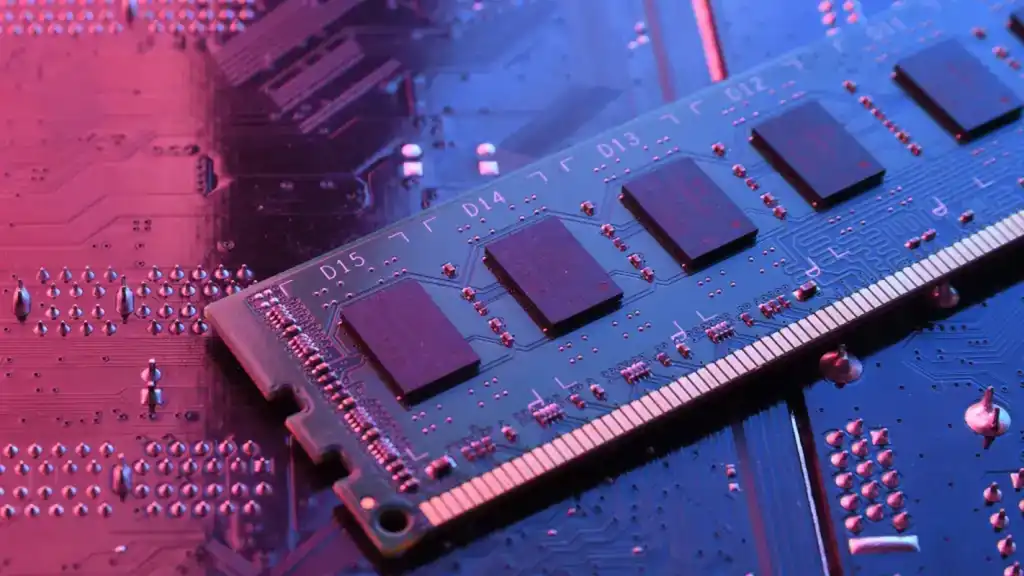
The memory market is under increasing pressure as demand for artificial intelligence infrastructure has risen, according to Gartner’s latest industry forecast. The report shows that RAM prices have increased because artificial intelligence workloads, data center operations, and high-performance computing needs require more memory capacity.
The shift will directly affect AI hardware costs, altering how businesses budget their computing resources over the next several years.
AI Demand Driving Memory Market Pressure
The global memory supply chain is now under the greatest pressure as AI systems experience their fastest growth. Large-scale models require vast amounts of high-speed memory, driving increased demand from both consumer and enterprise markets.
The upward trend in memory prices stems from demand for DRAM and next-generation memory technologies consistently exceeding available supply across major product categories.
The growing use of artificial intelligence workloads across cloud computing, analytics, and machine learning platforms is driving the ongoing rise in RAM prices.
Rising Cost of AI Infrastructure
The first effect of restricted memory access is increased costs for artificial intelligence infrastructure, according to current research.
The first AI hardware cost increase now affects all aspects of business operations, from server installations to workstation improvements. The need for organizations to allocate more budget resources stems from maintaining operational standards within their AI-based systems.
The trend is particularly important for businesses that depend on data center memory cost-control methods, as they experience significant financial impacts from even minor price changes.
Impact on Enterprise Hardware Budgets
The rising cost of memory forces businesses to rethink their future infrastructure plans. Organizations need to revise their hardware budget plans because memory prices continue to fluctuate.
AI-dependent industries, such as finance, healthcare, and technology services, face extreme budget constraints for enterprise hardware spending.
Organizations choose to focus on efficiency and workload optimization to offset the impact of rising RAM prices.
AI Workstation Pricing Under Pressure
The workstation market is being affected by rising memory prices, which are currently impacting all industries. The production and maintenance costs of high-performance AI development systems are at their highest due to rising expenses.
AI workstation prices have changed substantially because manufacturers are passing along their higher component costs directly to customers.
The increased costs of workstations will affect professionals’ purchasing decisions and upgrade patterns in AI development and research.
The Role of DDR6 and Next-Generation Memory
Emerging memory technologies such as DDR6 are expected to play a key role in shaping future pricing trends. The market will experience short-term price increases due to production problems and limited product availability.
The anticipated DDR6 cost increase reflects both the complexity of manufacturing and the growing demand for faster, more efficient memory solutions.
The development of AI systems requires next-generation memory to improve system performance under demanding workloads.
Data Center Expansion and Memory Demand
As artificial intelligence workloads continue to grow in global demand, data centers remain the largest users of memory resources. The demand for continued infrastructure development through cloud computing and the deployment and provision of AI services requires ongoing development of resources.
The growing demand for advanced memory modules with higher capacity and faster speeds directly increases the costs of data center memory.
Memory procurement has become a vital strategic decision point for operators, as they need to find the right balance between performance requirements and cost reduction.
Supply Chain Constraints and Market Imbalance
Segmentation in today’s memory market reflects a wide divergence in supply and demand. This is primarily due to the inability of advanced memory technology manufacturing plants to expand their operations’ capacity at the same rate as demand for Artificial Intelligence technologies increases.
The RAM price increase results from this supply shortage, which is driving up prices across international markets.
Memory price trends indicate that production capacity needs to increase substantially for the current imbalance to resolve itself in the upcoming months.
Strategic Responses from Enterprises
The three methods that businesses use to optimize resource usage include workload optimization, hybrid cloud deployment, and advanced memory utilization techniques.
The organizations seek to enhance system performance to reduce costs associated with unpredictable AI hardware expenses.
Businesses now include enterprise hardware budget capacity and growth potential into their extended planning processes.
Industry Outlook and Future Trends
The future of memory pricing depends on the rate of development of artificial intelligence. The growing adoption of AI systems will sustain strong demand for advanced memory solutions.
Memory price trends show ongoing changes that create market instability until supply chains reach their new demand levels.
Technological progress and greater manufacturing capacity will eventually lead to price stability, but current market conditions will continue to exert pressure.
Conclusion: Memory Becomes a Critical AI Bottleneck
The latest warning from Gartner demonstrates that the AI era presents a new problem: memory is now the most essential yet limited resource for contemporary computing systems.
Enterprise organizations need to change their infrastructure design and funding methods because RAM prices continue to rise, while AI hardware costs are increasing.
The entire computing ecosystem experiences supply constraints that affect everything from AI workstation pricing to data center memory expenses.
Memory will remain the main constraint on both system costs and capacity for all future systems as AI technology advances.
Source: Gartner Newsroom