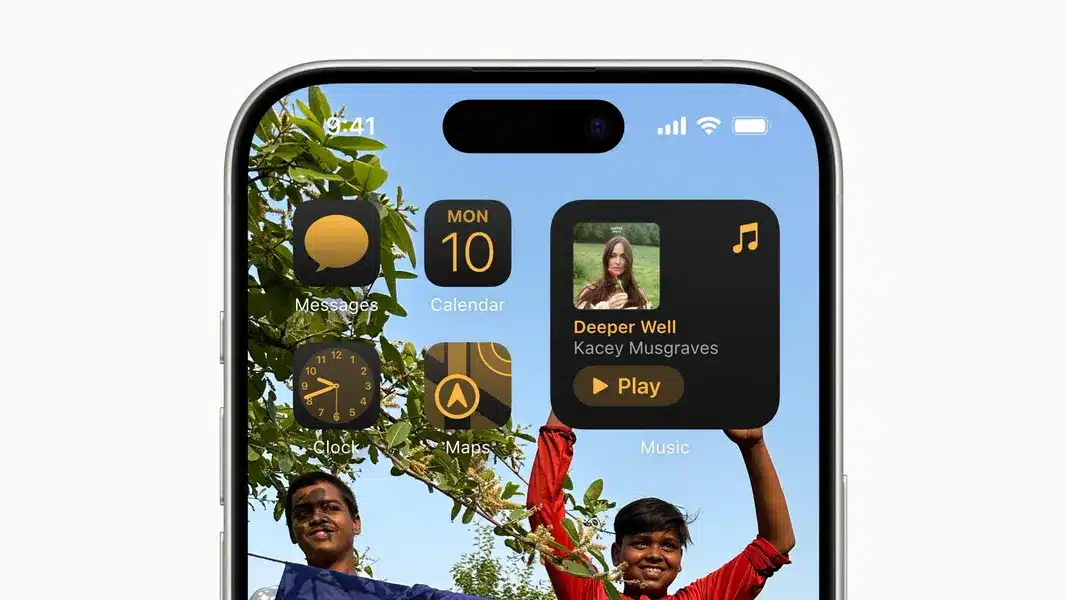
For 10+ years, consumer technology cycles have followed a constant pattern of performance increases driven by faster processors, better cameras, and enough advancement to make you want to buy new devices every 2 to 3 years, but that cycle will likely be upset in 2026.
The driving force behind this is artificial intelligence.
Even though major brands (Apple, Microsoft, etc.) have invested heavily in promoting the “benefits” of AI, consumers are starting to lose faith that AI is creating real value in their daily interactions with devices and are instead seeing it as just contributing to the existing noise in the tech space.
People are holding onto their devices longer, indicating a widening gap between what AI promises consumers and what they achieve in their daily lives.
The Numbers Behind the Delay
The most recent signal from the tech industry is a slowdown in device upgrade rates (smartphones, laptops, tablets). While there are various estimates, what most analysts and industry experts are saying is that:
Consumer device replacement cycles have extended from approximately 2.5 years to 3.5 – 4 years
Consumers are no longer feeling a sense of urgency to upgrade to “AI-powered” devices
Consumers are relying on software updates rather than purchasing new devices to obtain the latest features.
Companies like Apple are continually talking about AI and how they are incorporating it into their product to make them better (on-device processing, smarter assistants, etc.), but they’re not saying that you need to run out and upgrade your current devices.
Similarly, insights from Microsoft’s blogs focus more on AI used on top of existing ecosystems than on creating completely new ones from scratch.
Expectation vs Reality: Where AI Falls Short
The expectation of Artificial Intelligence (AI) on a global scale versus its actual implementation. As the world got excited about Artificial Intelligence (AI) devices, the idea was that this would create “a new horizon” in terms of:
- Seamless automation for everyday tasks,
- A true intelligent assistant.
- Predictive, tailored experiences on devices.
However, when people use these devices, the truth is disappointing!
What people thought they would have:
- Artificial Intelligence that would replace applications,
- Intelligent assistants that could manage complex activities and functions,
- Devices that “knew” what consumers would want.
What people got:
- Autocomplete (just a little better)
- Cameras that were marginally better
- Basic Summarization Package
- AI enhancements that required manual input
The disconnection between where people thought artificial intelligence would take the world and what manufacturers have delivered has delayed many upgrades.
Consumer Feedback: “Nice, But Not Necessary.”
Across message boards, ratings, and individual feedback from early adopters, there emerges a trend from consumers who use new AI products:
1. The AI is neat; however, is it a requirement?
2. Many consumers used AI once or twice before abandoning it.
3. Many features are in the “demo” phase now rather than being something those consumers would be using on a daily basis.
Most importantly, most consumers have aging devices that do a good job and thus have no reason to move to the more advanced models offered by manufacturers.
The Value vs Feature Gap
At the core of this change is a simple formula:
Upgrade cost ≠ AI Feature Perceived Value
Consumers have begun to ask the following questions about the features of their premium-priced devices:
- Does this feature enable me to be more productive?
- Does it replace something I already have?
- Am I going to use this daily?
If the answer is no, they will delay their upgrade to the next-generation device.
This has created what analysts refer to as the Value vs Feature Gap:
Company shipments are increasing, while customers are requesting greater value; neither is in sync.
Market Impact: A Subtle but Serious Shift
The decrease in upgrade cycles will have wider-ranging effects on the technology market:
1. Pressure on Revenue
A slowdown in upgrade cycles means that hardware sales, primarily in high-margin flagship products, will continue to decelerate.
2. Increase in Competition
With fewer upgrades, consumers will view each upgrade as a highly competitive decision that requires significant research.
3. Software First Strategy
Companies are more focused on:
- Subscription-based software
- AI software ecosystems
- Cross-device integration
This trend can be seen in both Apple and Microsoft’s embrace of AI — not just as another feature of a particular device but also as a component of a more holistic platform experience.
Conclusion: The AI Reality Check
The slowdown in device upgrades isn’t a rejection of AI—it’s a recalibration.
Consumers are signaling something important:
They don’t want more AI.
They want better, more useful AI.
Until AI features:
- Save meaningful time
- Replace existing workflows
- Deliver consistent, real-world value.
- The upgrade cycle will remain stretched.
For now, the message is clear:
Innovation alone doesn’t drive upgrades—impact does.
Source: Global AI adoption in 2025 — A widening digital divide